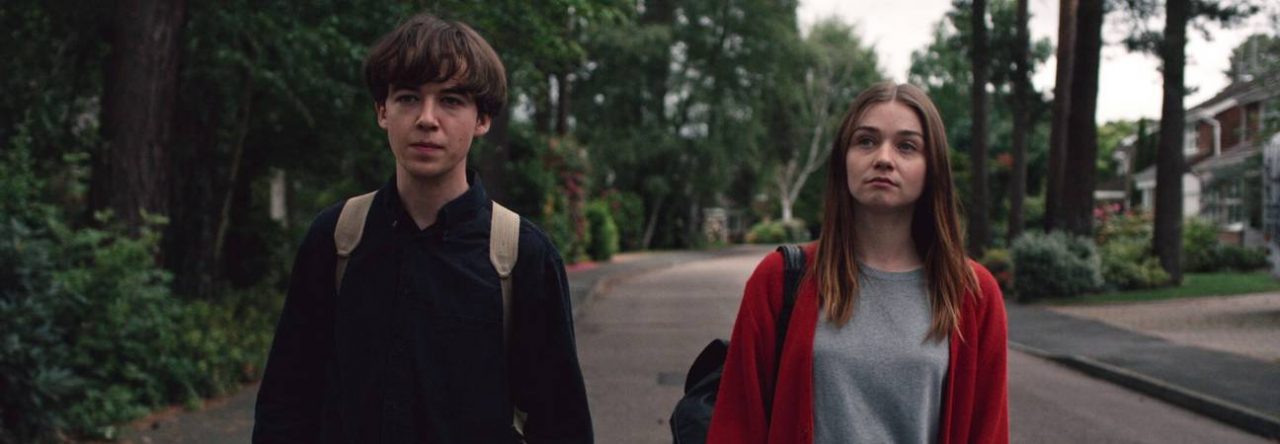
Quick Disclaimer: In this blog post I will be referencing my FMP script as it was in draft three. As I am still in the development process, some of the things I write in this blog post may go against what is written in that script. Everything I say in this blog post is where I currently stand in the development process and will get written up in future drafts
Characters are undoubtedly the most important part of any story. No matter how brilliant everything else is, if your audience cannot engage with your characters than your film will most likely fail.
Writing my FMP, I knew I needed to spend a lot of time developing my characters and wanted to write a story that was more focused on those characters than the story itself. The majority of my favorite films such as, Good Will Hunting, The Shawshank Redemption and 12 Angry Men are, at their core, films about people and I really wanted to try to do something similar with my FMP, I wanted to more of a character study than a narrative driven film.
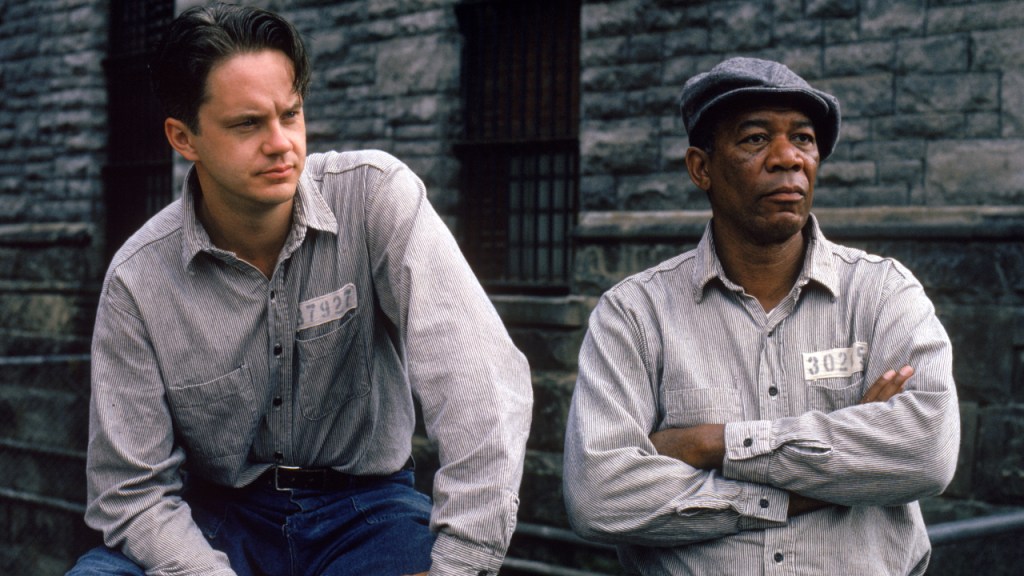
Normally I’d have started writing by first developing some characters and letting a story grow out of their specific flaws and needs. But, if you’ve read my previous blog post on my FMP you’ll know it didn’t go that way.
To summarize what I said in my other blog post, Ryan, my DP and co-director for the FMP came to me with a story outline he’d come up very early on in the process. Although his idea had quite a few flaws and was predominantly plot driven, I was hooked by his passion and he had some brilliant ideas for how he would shoot it. Gripped by his enthusiasm, I decided to use his idea as a starting point and see what I could do with it.
I was relieved to hear that Ryan hadn’t spent a lot of time developing his characters because it meant I had basically free reign in that department and, if you can’t tell already, I love developing characters.
In Ryan’s story he had three central characters, two boys and a girl. The three characters were all 16-17 and were coming to the end of their time at secondary school. The first boy was a popular kid who was in a relationship with the girl, the second boy was regarded as a bit of a psycho and a loner and was in love with the girl. This was pretty much where Ryan got to and was therefore where my development of these characters started.
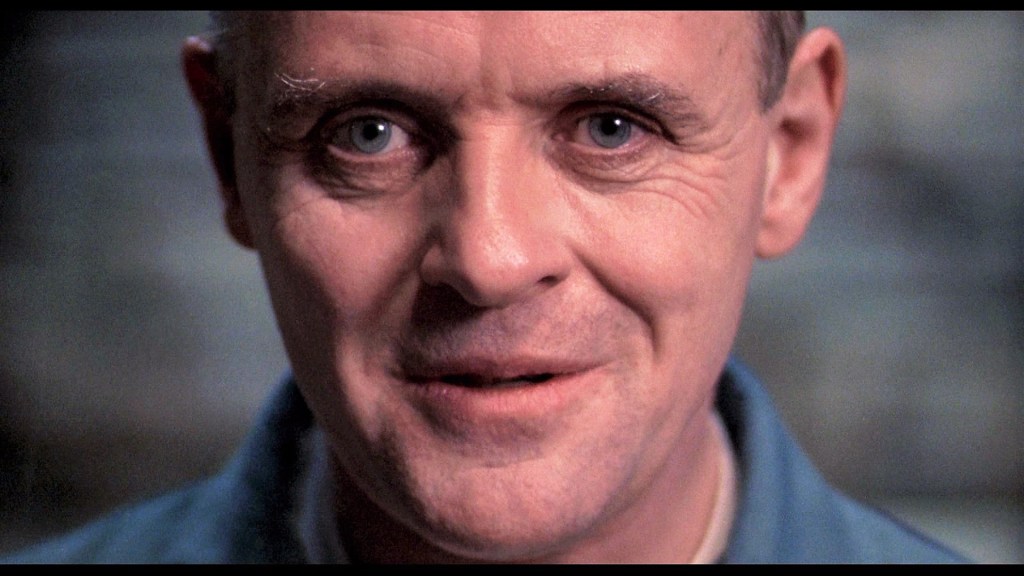
I knew the first decision I had to make was to decide who the main protagonist was going to be out of these three. I am an absolute sucker for an anti-hero, be it Hannibal Lecter from The Silence of the Lambs, Alex DeLarge from A Clockwork Orange or, more recently, Arthur Fleck from Joker I always find myself far more interested in those protagonists who are considered to be the bad guys and therefore choosing my protagonist was quite a simple decision, our film would follow the ‘psycho kid’.
Ryan hadn’t yet given his characters names I quickly picked some off the top of my head, The ‘psycho’ kid would be known as Ben, The girl would be known as Anna and the popular boy would be referred to as Henry.
Ben
psychopath
/ˈsʌɪkəpaθ/
noun
- a person suffering from chronic mental disorder with abnormal or violent social behavior.
I didn’t want to write a film about a psychopath. I had a number of reasons for this.
- Writing about mental illness requires a lot of knowledge on the subject, which I didn’t feel I have.
- If done poorly, a film about mental illness can come across disrespectful and tone death, a risk I didn’t want to take. But most importantly…
- I wanted Ben to have a satisfying character arc, I wanted him to undergo change throughout the course of the film. Mental disorders are extremely deep rooted and require a rewiring of the brain to overcome. This, of course, takes a long time, more time than I have in a short film.
So I came to a compromise. Ben believes he is a psychopath. From the constant bullying, unhappy family life and scars from past loss, he believes his is beyond saving and on a one way street to insanity, something he has strangely come to terms with. This is how we meet Ben, in this mindset. But in reality, he is not lost. He is definitely in danger of losing it if life continues to go against him but if he gets the right support he has the potential to live a very happy life. The only thing standing in his way is himself and the decisions he chooses to make.
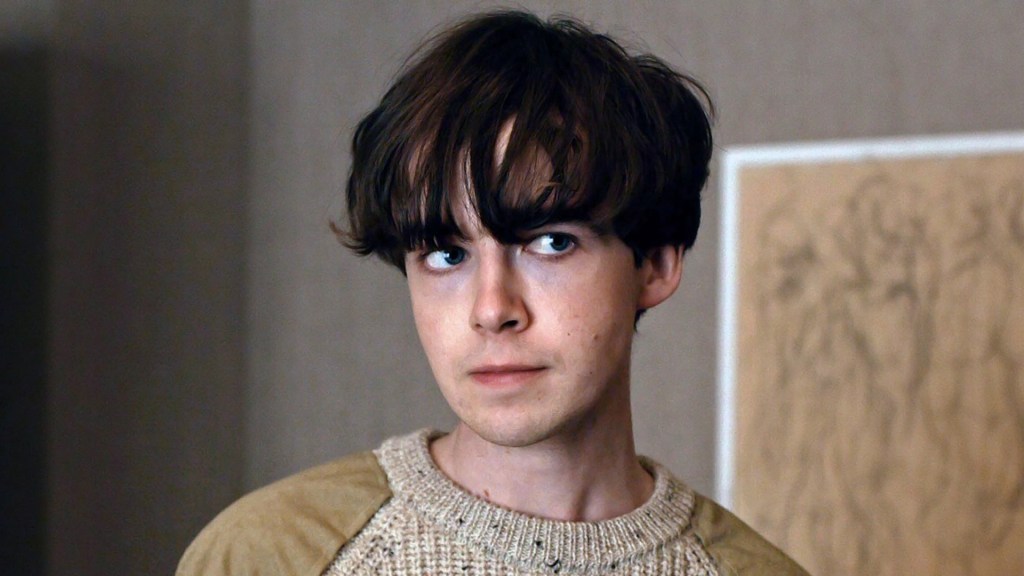
This change instantly makes Ben more relatable as I’m pretty sure most people have worried they are going insane at some point in their life. It also allows Ben to undergo a character arc far more authentically – he is at a point in his life where he is at a metaphorical cross-roads where every decision he makes will shape who he is. I visualize it in my head as Ben being on a knife’s edge: If he makes a bad decision he really could break and become that psychopath he was in Ryan’s first draft but, if he makes a different decision, he could overcome his demons.
In Ryan’s story Ben murders Henry because Ben is in love with Anna. This was the inciting incident in Ryan’s idea but I decided this event had to be the climax of the film. Everything had to build up to that moment, not the murder itself but the prospect of the murder, whether Ben would or would not kill Henry, that would be the decision that would shape him as a person and that had to be the focus of the film. This is why Ben has continuous violent visions throughout the film, I wanted to build anticipation for the event because it is the most important event in Ben’s life. I wanted the audience to constantly be asking themselves, will he do it?
Stakes
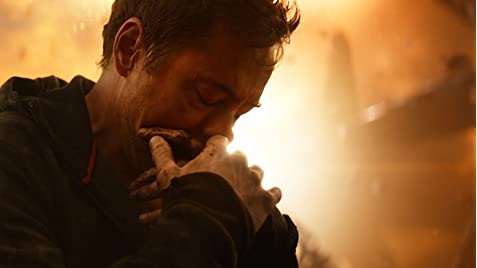
To create tension I knew I needed to make it clear what the stakes were, what would happen if Ben kills Henry. Without making it clear to the audience what those stakes are, the event is less significant to them. As I’ve said already, if Ben kills Henry he will lose his mind. The problem is this is quite abstract and hard to convey to an audience, so I knew I needed something more concrete and easily recognizable.
Motivation
In Ryan’s initial idea, Ben was driven by love, he wanted to be with Anna. Love is normally a great motivation in film but in this instance, because there was no prior relationship established between the two characters, it came off as a very shallow sort of love, more of a playground crush, which was hard to be invested in. Another problem was I found myself not wanting Ben to succeed, Anna was in a happy relationship with Henry and Ben, who had been established as a psychopath, was trying to kill her boyfriend, not something I could really get behind. After fixing the problem of Ben’s mental state I knew I had to next fix Ben and Anna’s relationship so that the audience could be invested in it.
The first thing I decided was that they had to have some sort of prior relationship, there had to be a strong reason why Ben was so obsessed with Anna and it had to more than just physical attraction. I always wanted to have Anna reciprocate the love so I wasn’t just writing a story about a strange kid breaking up a perfectly happy relationship. My first thought was childhood sweethearts, seemed to tick all the boxes. But for some reason it just wasn’t clicking with me, I don’t know if it’s because it’s too cliche or overdone but I just wasn’t feeling it. Luckily I didn’t have to worry for too long because it suddenly hit me – childhood friends, childhood best friends.
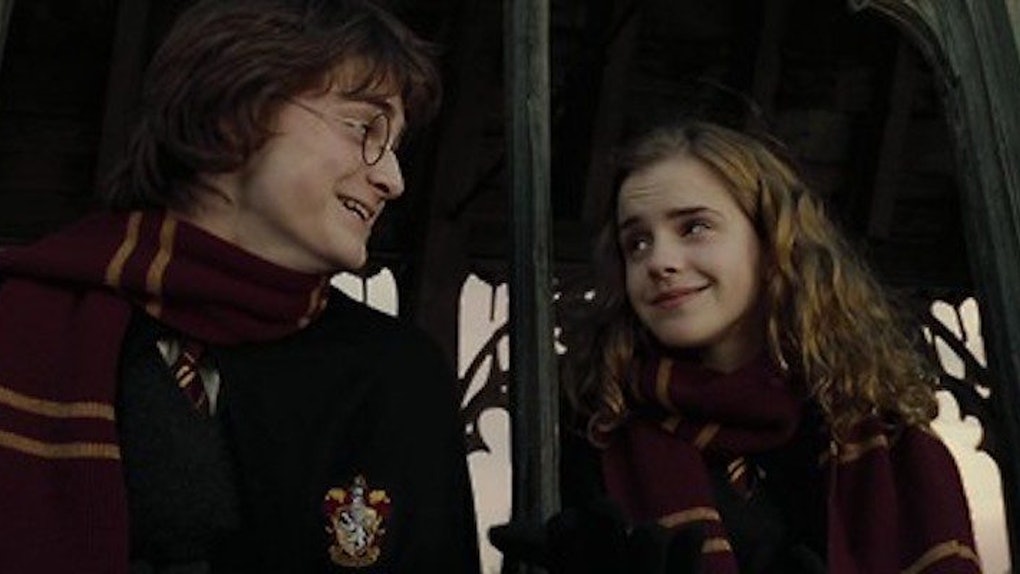
Throughout my life I have always gotten along with girls just as well as I have with guys, sometimes even more, so I felt I was pretty able to write an authentic childhood friend narrative, more so than I could have done with childhood sweethearts.
But the thing that really sold me on this idea was the fact that Ben and Anna had fallen out of friendship. I am very fortunate to still have the majority of my childhood friendships in tact but I have recently moved far away from all those people I have grown up with and have had to experience the emotions of being separated from your friends. I knew I could really write from the heart when it came to this topic and decided I would make this the driving force of the story. This was no longer the story of a murder, it suddenly became a story of friendship, something I truly believe is the strongest form of love at my age, which happens to be a very similar age to my characters.
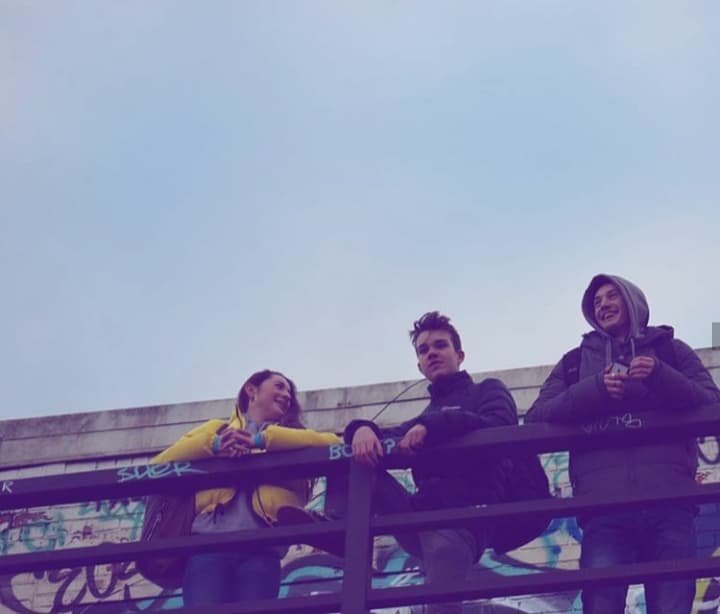
So Ben is driven by love, but its not romantic, its something far deeper, he loves Anna because she is the only friend he ever really had and he will do anything to get her back. And that is Ben’s goal in the story, win back Anna (this is now me doing on the fly story development because in my past drafts I didn’t make it very clear that this is his goal. In fact, in previous iterations of the script Ben hasn’t really had any goal at all, so that can be added to the list of things I need to add into my next draft(s)).
And now he also has a more concrete and recognizable stake – if Ben kills Henry he will lose Anna (because I can’t imagine she would be very amused about her boyfriend being murdered) and will therefore fail to achieve his goal.
Backstory
As I mentioned, my method of creating these characters was very weird. Once I had cleared up these initial problems with Ben’s character I could actually start figuring out who he was, or more appropriately, how he came to be the way he is.
I knew I couldn’t make Ben’s backstory super complex as I couldn’t spend a lot of time explaining it to the audience, but I did need it to serve a few narrative purposes: I wanted Ben’s life to be intertwined with loss (as loss is a key theme of the film) and I wanted to show how Ben has been surrounded by darkness and pain his entire life which is an explanation for why he believes he is broken, it is all he knows.
I knew there was a very easy way to achieve this without having to use an abundant amount of exposition and that was by borrowing a very well known cinema trope – the loss of a loved one.
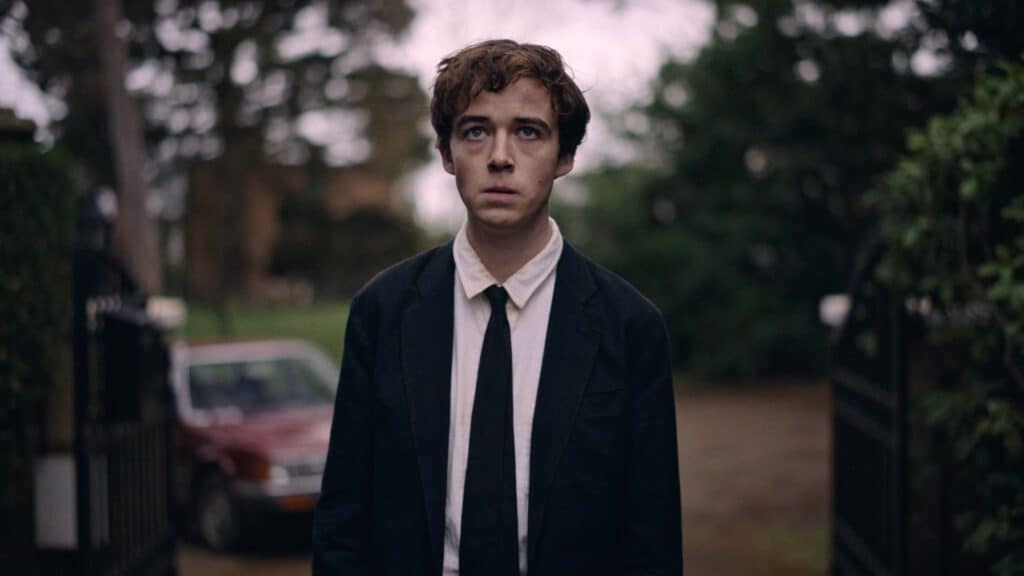
Considering the theme of loss in my film it made a lot of sense to me that Ben will have had prior experience with the topic, having watched his mother die of leukemia when he was a child. This experience left him very broken and gave him a very somber outlook on life leading him to become very distant from the people around him in, including his best friend at the time, Anna. This detachment from his peers earned him the label of “psycho” and “weirdo” at school, terms he gradually came to believe himself.
The death of his mother also had a very negative effect on Ben’s father who became depressed and turned to alcohol, leaving Ben with no real role model, causing him to feel even more alone. If I had more time I would have loved to have included a sub-plot about Ben and his Father’s relationship slowly improving after the events of the film take place, but it just wouldn’t work in a short film.
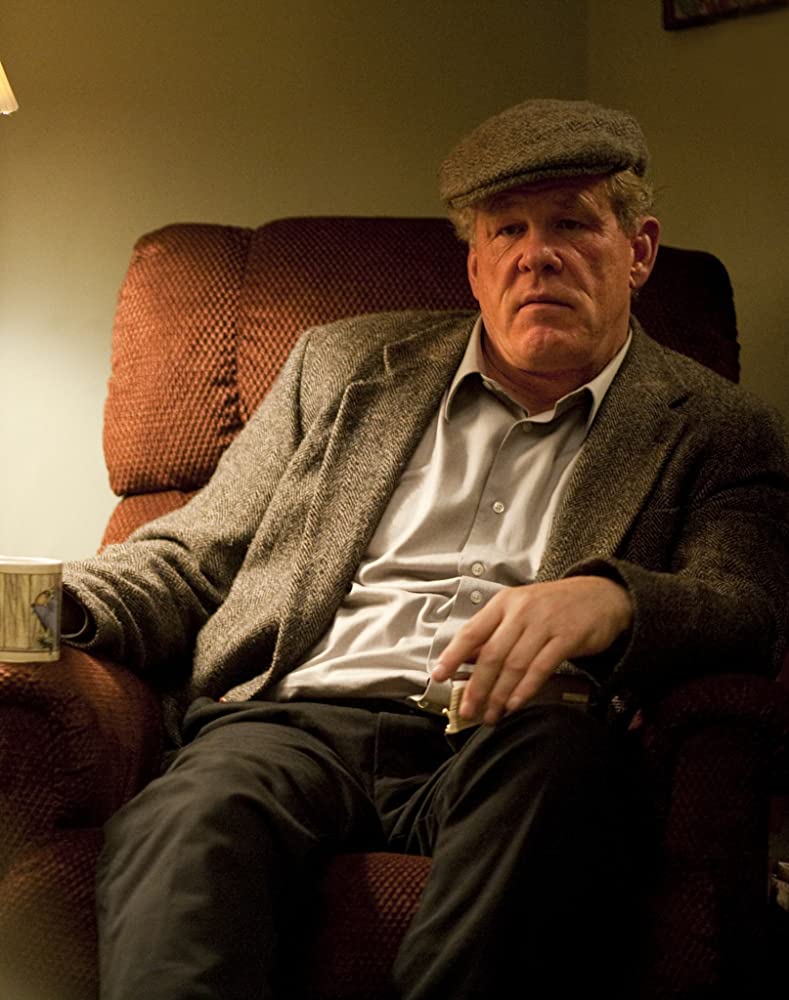
If you are an avid reader of my blog you may have noticed that Ben’s backstory is similar to Will’s origin story in my Superhero homework. That’s because I used that task as a way of developing Ben’s backstory for my FMP. So, as with that character, Ben’s relationship with his father takes inspiration from Tommy Conlon’s relationship with his father in Warrior.
That is pretty much as far as Ben’s backstory goes in terms of his family the only other thing the audience has to know is that the loss of Ben’s mother is what forced Ben and Anna’s friendship apart. Caught up in his grief, Ben perceived this as Anna abandoning him, something he still carries at the start of the film.
Likable?
My biggest concern at this point was that Ben wasn’t really likable enough, I was concerned I had made him overly demoralizing. I was confident my audience would empathize with him but I wanted them to actually enjoy being with him as the film is told from Ben’s perspective. To help me fix this problem I turned to another film about quite a miserable protagonist dealing with loss, The Perks of Being a Wallflower. In this film, the writer made Charlie likable by giving him an emotional backstory, giving him innocent, well mannered dialogue and, most importantly, showing that other characters liked him.
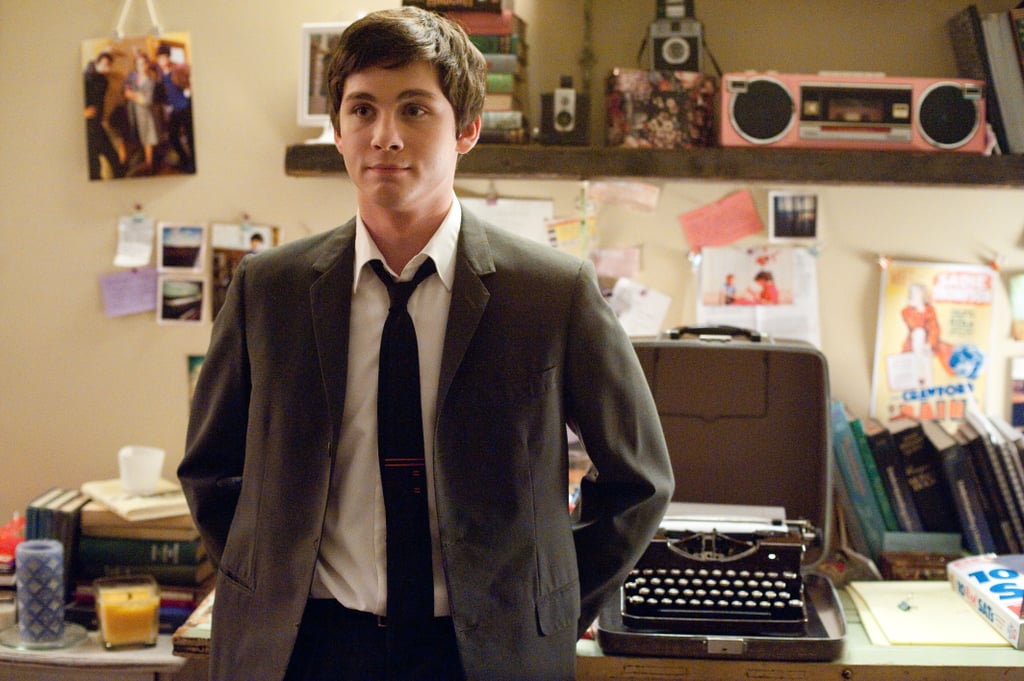
I hadn’t truly appreciated how much an audience is influenced by the opinion of other characters until I properly analysed this film but once I did I knew exactly what I had to do. A big part of Ben’s character is that he isn’t very popular so I couldn’t have every character in the film be in love with him but I knew if I really showed off how much Anna cares about Ben then hopefully that would help improve the audience’s opinion of him. I also made sure his first encounters with Anna are light-hearted so that the audience can see his soft side early on. I am aware that the audience is only influenced by characters they like, luckily for me I planned on making Anna very likable.
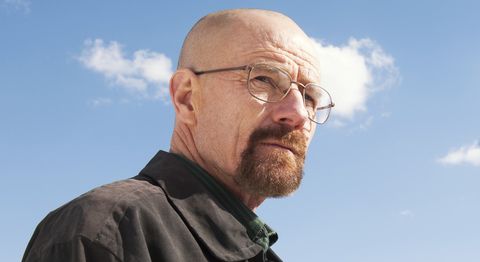
I also tried hard to make Ben feel very human and real in the script as I’ve found that audience’s tend to like characters that behave very authentically to real life. Just take Walter White from Breaking Bad, he is a horrible person but because he feels so real we cannot help but connect with him as an audience.
Of course, writing believable characters is very challenging so if you have read my script and have any tips, feel free to let me know.
Flaw
Every great hero must have some sort of flaw they must overcome to achieve their goal. That is not a word for word quote but it is something everyone seems to agree with and something that is proven time and time again.
When it came to creating Ben’s key flaw I knew I had a lot to play with as Anti-heroes are inherently very flawed people. So I first decided to focus on his goal – rekindle his friendship with Anna.
So what initially broke up their friendship? The death of Ben’s mother. And why did that end their friendship? Because Ben disappeared into himself as a coping mechanism. And why have they not yet recovered their friendship? Because Ben believes that Anna abandoned him. And why does Ben believe that? Because he has never heard Anna’s side of the story. And why has he never heard her side of the story? Because they haven’t spoken in years. And why hasn’t Ben spoken to Anna for years? Because he still hasn’t come to terms with his mother’s death.
I quickly discovered that you have to ask yourself a lot of questions when developing a story.
Out of this type of conversation with myself I discovered Ben’s key flaw – that he hasn’t come to terms with his mother’s death and is therefore still convinced that Anna abandoned him. This flaw is therefore stopping him from achieving his goal of rekindling his friendship with Anna and he must overcome this flaw to achieve his goal.
Now, you’re probably asking yourself, Why on earth does Ben want to rekindle a friendship with the person who he believes abandoned him? It’s as simple as, he still cares about her and really misses her. Of course, in his mind he expects an apology from her before they can begin to rebuild their friendship and is completely unaware of the change he will be forced to undergo. But yeah, its really just as simple as he misses his best friend, as much as he hates to admit it.
This is pretty much as far as I have gotten with Ben’s character so far but to be honest, I cannot see him changing particularly drastically from this point on.
Anna
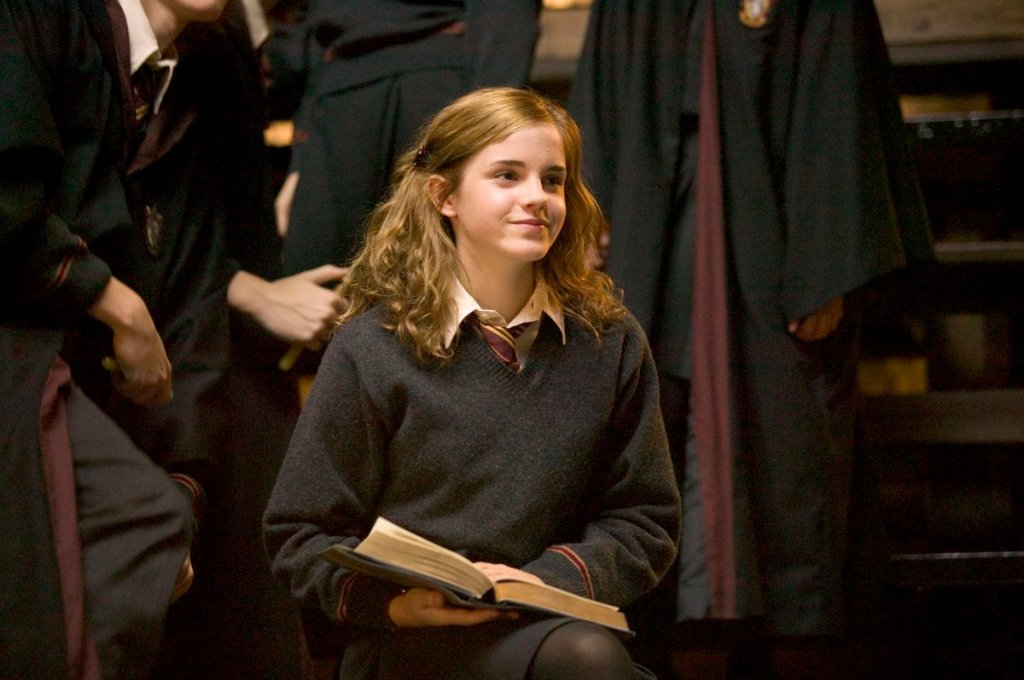
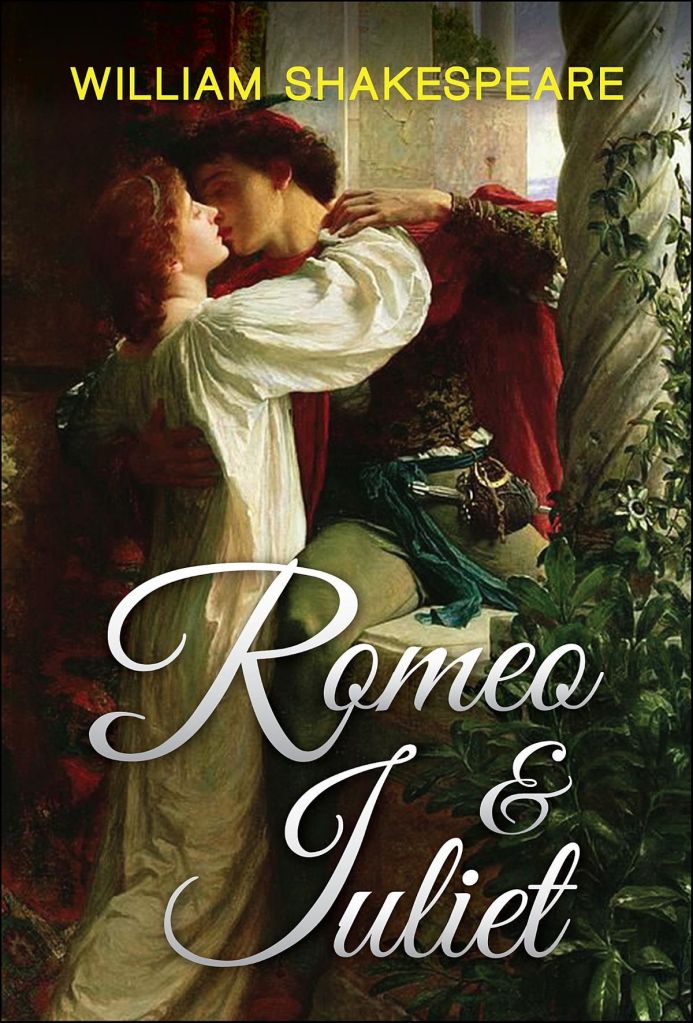
Although the story is not told from Anna’s perspective, she is just as important to the story as Ben is. She is easy going and likable, the opposite of how Ben begins the story. I really liked this idea of an unlikely friendship because it rings of forbidden love style stories. It also makes it very believable that their friendship is really on the ropes because they are not an obvious pairing from an outside perspective. I felt if they were overly well matched it would seem unbelievable that they could go years without talking. Instead, I chose to make it feel like they came from completely different worlds, kind of like…
Backstory
In fact they do come from different worlds in a way. Anna is from quite a well off family which employed Ben’s mother as a cleaner before she died (I don’t think this will ever be mentioned in the film but I recently saw BBC’s normal people which employs this exact same narrative which I think worked brilliantly) and this is how Ben and Anna’s friendship began.
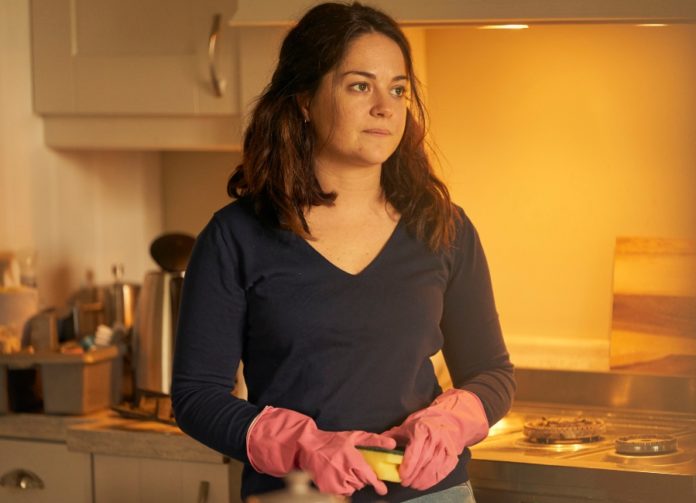
Due to this connection to Ben’s mother, Anna had a very emotional reaction to her death. But unlike Ben, Anna heavily relied on the support of those around her to deal with her grief. This, unfortunately, only sped up the crack in their friendship because Anna really struggled to cope with Ben’s sudden coldness and turned to her other friends for support which is what prompted Ben to believe that she abandoned him.
Anna’s backstory is not massively important to the story so for the meantime that is as much as I have developed. The only other thing that should be known is that her rich grandparents own a summer cottage with quite a bit of land attached. This became a key location in Ben and Anna’s friendship as they would often spend a lot of time there as children when Anna’s grandparents were away. The reason for this is a lot of Ryan’s really great ideas for cinematography take place in a forest and a big house so I really wanted to incorporate those locations into the script so that he could get those shots. And I’m now really fond of the idea that the film takes place in the defining location of Ben and Anna’s friendship, it allows the location to really play a part in the film.
Goal
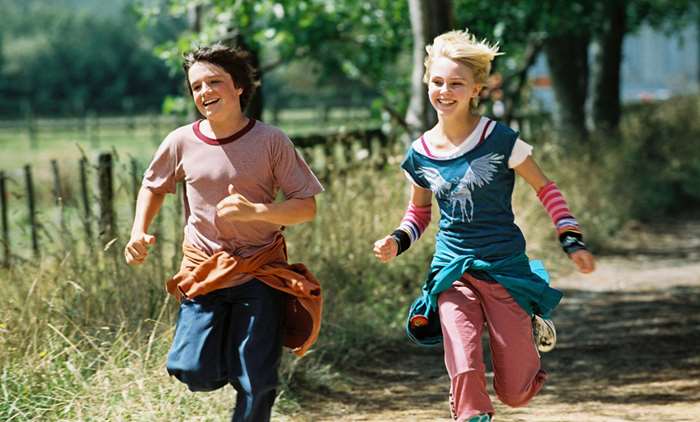
In all honesty, I never really gave Anna a concrete goal when I began writing. But as I wrote, some clear goals started to pop up. In my opinion, Anna’s goal seems to be to help Ben get over the grief of his mother’s death. Essentially Anna’s goal is to help Ben achieve his goal. But that would make Anna a sidekick character, and I really don’t see Anna as a sidekick. So instead, I think her goal is simply to understand Ben’s grief. Over the year’s Anna has grown so apart from Ben that she barely recognizes the boy she once knew and has lost all understanding of what is going on in his head and all she really wants is to get that understanding back. So I think within the time frame of the film, Anna’s goal is simply to have a proper conversation with Ben.
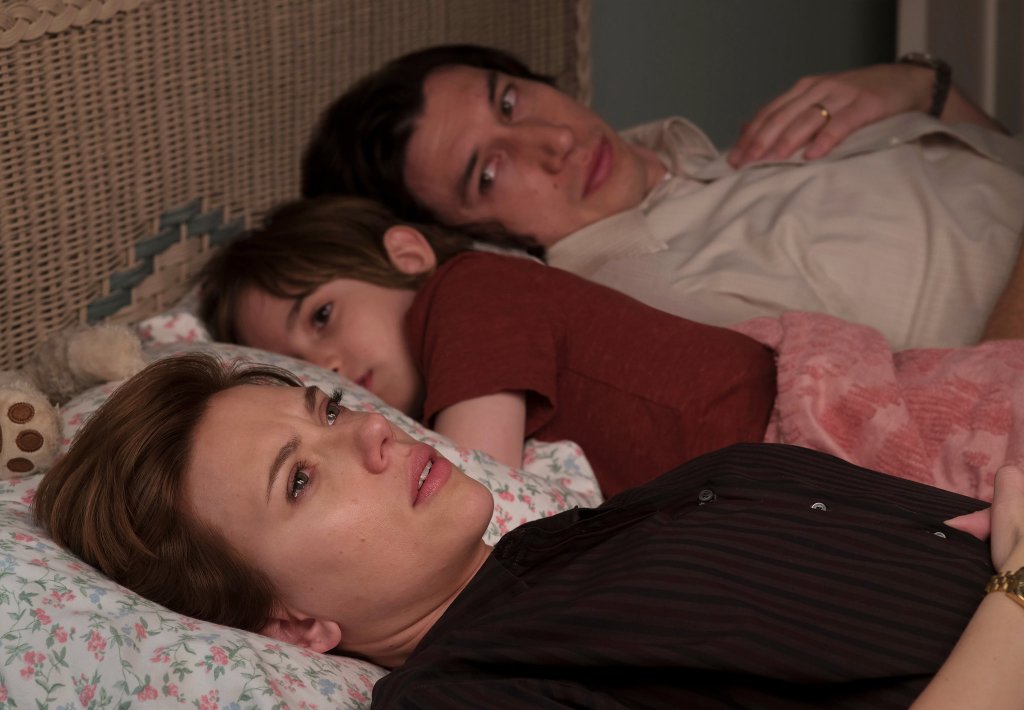
Flaw
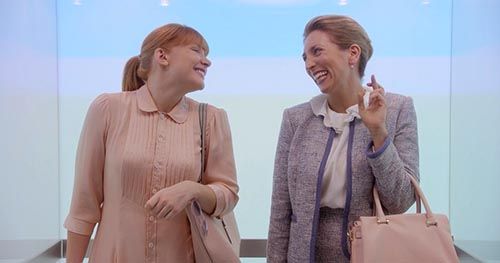
Anna’s central flaw is that she is afraid of conflict. Her sheltered life has led her to shy away from uncomfortable situations and conversations and she always wants to please everyone. But to achieve her goal she must have a very uncomfortable conversation with Ben and therefore has to overcome her flaw to achieve her goal. Anna’s flaw will get very little attention in the film compared to Ben’s but I feel it is important that all central characters in any story should have their own personal goals and flaws to make them feel more human, even if they never get mentioned in the main narrative.
This flaw takes inspiration from a black mirror episode called Nosedive where the protagonist has to always appear bubbly and friendly in order to achieve good ratings from her piers. Although Black Mirror explores that concept in a literal sense I really related to that core theme of feeling like you have to always act happy in front of your piers and have always wanted to insert that into a character since I watched that episode.
Henry
The final character outlined in Ryan’s initial idea, Henry is very much a side character to Ben and Anna but still plays a big role in the story. Being Anna’s new boyfriend, Ben sees Henry as his replacement in Anna’s life and therefore despises him.
Henry is very popular and well thought of in school, like Anna, the complete opposite of Ben. I use this as a bit of a metaphor for the gap between them because Anna is dating someone who is worlds apart from Ben.
Antagonist?
In basic story terms, Henry is the antagonist of the story, standing in the way of Ben and his goal. Henry doesn’t like Ben because he is aware of how much Anna worries about him and therefore wants to keep them apart. But I didn’t want to write Henry as an inherently bad guy and I wanted it to be very apparent that if the story was told from his perspective he would make a very convincing protagonist.
In real life, no one tries to be a bad guy, everyone just acts on what they believe to be right. The conflict emerges when those beliefs/viewpoints clash. The perfect example of this in recently film terms is Thanos from the Marvel Cinematic Universe (I know what you’re thinking, just bare with me). Thanos is evil; he wants to wipe out half of all life in the universe, sure sounds evil to me. But if you properly explore his character and look at the world from his point of view, through the context of his suffering and his experiences, you can kind of understand why he thinks it is a good idea and I know a lot of people who even emphasize with him as a character. (to clarify, I am only talking about Thanos in Infinity War, in endgame he is just straight up evil).
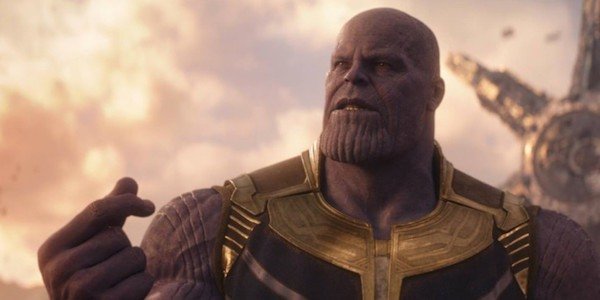
Of course Thanos is quite an extreme example but it explains my point. Henry is acting completely normally when you look at the world from his point of view and he is only seen as the bad guy because his beliefs clash with Ben’s.
Goal
Another thing that makes a great antagonist is if his goal is the same as the protagonists. The perfect example of this is in Christopher Nolan’s masterpiece, The Dark Knight. Batman’s goal is to prove that all men in Gotham are inherently good and the Joker’s goal is to prove that all men in Gotham are inherently evil. Essentially they are both after the heart of Gotham.
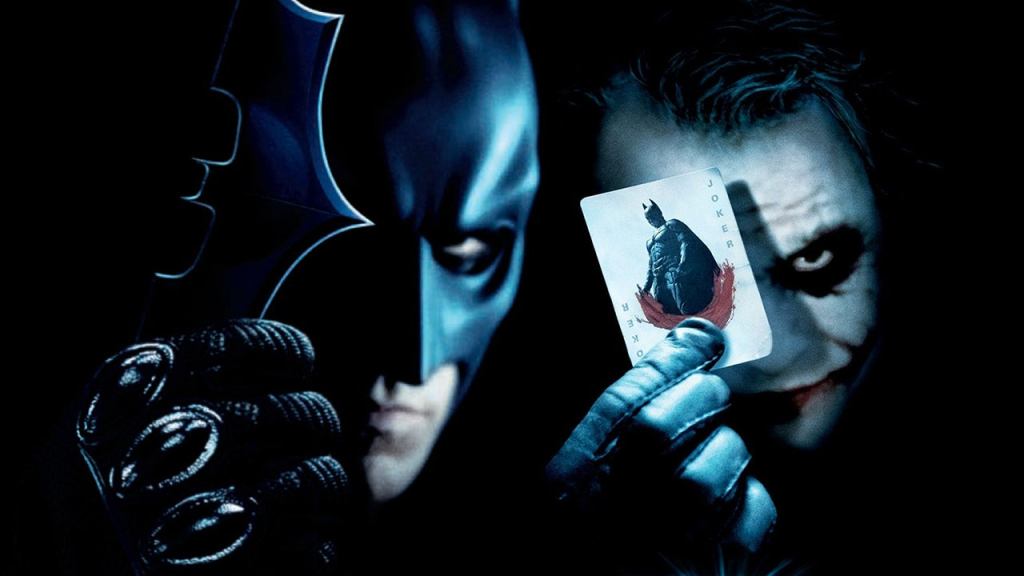
In my film, the protagonist’s goal is to win back his best friend. So Henry’s goal is to carry on his relationship with Anna. But due to their hate of each other they cannot both achieve their goal. In The Dark Knight Batman and The Joker are fighting for Gotham’s heart and in this story Ben and Henry are fighting for Anna’s heart.
Motivation
So why does Henry not want Anna to be friends with Ben? Essentially because Henry lacks understanding of their relationship. As a newcomer in Anna’s life he has no concept of their past relationship and only sees the local weirdo trying to be friends with his girlfriend. But more importantly, he sees how worried Anna gets about Ben and assumes Ben is not good for her. In short, Henry’s motivation is how much he cares about Anna but his lack of knowledge of the situation means he makes the wrong assumptions about what she needs. In his world, he’s just looking out for her.
Flaw
Henry’s central flaw is that he is quite controlling of Anna. His whole life he has been the top dog and is only comfortable when he is in control. So when he is put in this situation, with little control over, he panics and becomes very overbearing. Unfortunately for Henry, he is not one of the protagonist’s so we never see him overcome his flaw. But I have no doubt he will learn from the events of this film and go on to become a very well rounded person.
Redemption
In my current drafts, Henry comes across as a bit of an asshole – stuck up and obnoxious. This wasn’t great because as I said, I didn’t want him to come across as a bad guy. To fix this I will simply take the same approach as I did with Ben. Due to time constraints I cannot give Henry an emotional backstory so I will instead rely on comedy and influence. When we first meet Henry, at the campfire, I will write more comedy into his lines so that he comes across nice and likable, I’ll also make it clear how much the other characters, aside from Ben, like him. As I said I haven’t yet written this into a new draft so I cannot say if it will work but that’s my plan for the time being.
Overall I don’t really want Henry to feel like an antagonist, I’d describe him more as obstacle Ben must overcome to achieve his goal.
Research
Because I am a visual learner, I watched quite a few videos on developing characters during this process and here are a few of them.
 Taran Field Yr1 FMP
Pingback: FMP – Plot Summary – Taran Field Yr1 FMP
Exemplary research here Taran. I would say that, when navigating the absolute deluge of screenwriting advice that’s out there, know that your characters are your ultimate guide. So, digging into their stories, their motivations, their foibles and vulnerabilities and the life moments that make them – this is where you will feel confident in letting your story unfold. The story must come from the character and the characters themselves can inform you better than any screenwriting guru can. All of this advice must be simply a tool to choose to use or not – and no-one ultimately knows your characters better than you do. Think like an actor and find your way into your character’s lives.
LikeLike