Spy Task

Goldfinger (1964)

This weeks episode of Mark Kermode’s secrets of cinema focused on the famous spy genre.

https://www.bbc.co.uk/iplayer/episode/m000gwzj/mark-kermodes-secrets-of-cinema-series-2-3-spies

We were again given 5 tasks we could choose from relating to the video and I chose to do task 3 (writing not story-boarding):

3./4. Here’s your scenario:
Character A is stealing information from Character B.
At the same time, Character B is returning to the place where the
information is kept.
There is tension as to whether A will escape with the information
or B will catch them in the act.


For task 3 or 4, either write OR storyboard a sequence based on this scenario using crosscutting to generate tension. The characters, locations and actions are up to you. Include a rationale for your decisions.
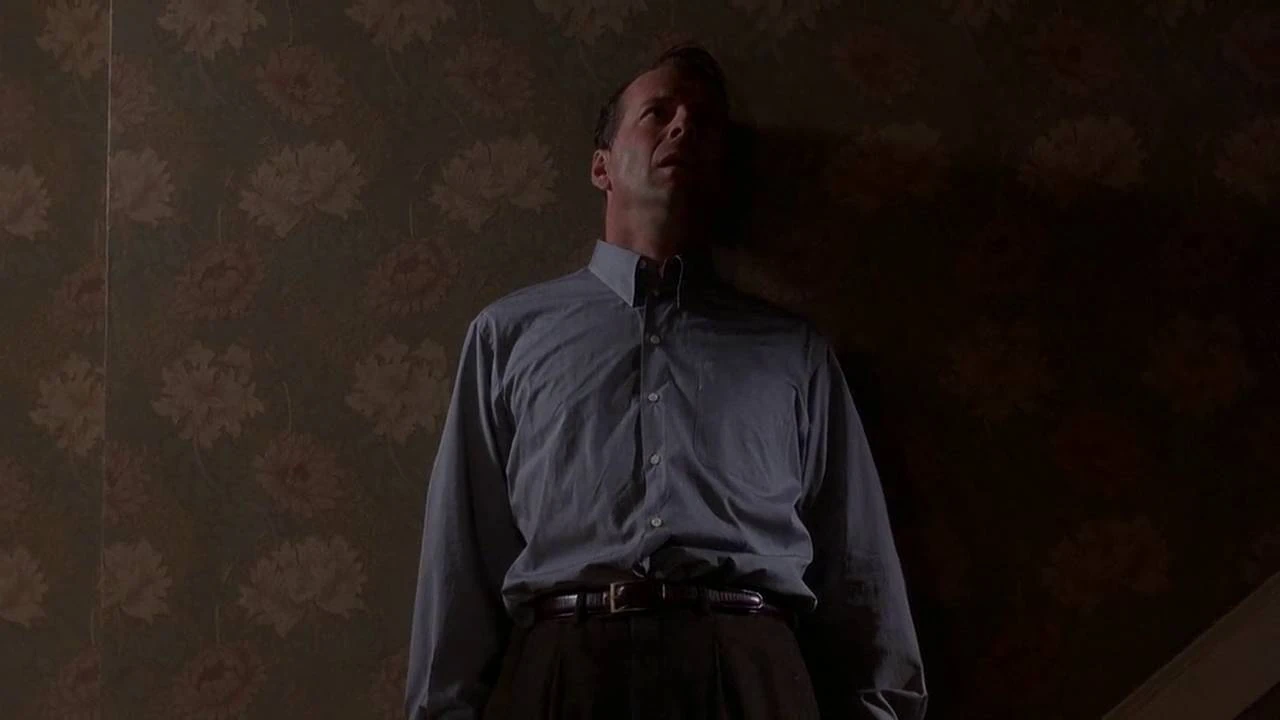
Mission: Impossible (1996)

I was wary of choosing this task as it is quite a similar format as last week’s Robin Hood post but none of the other options really suited me and what I am currently working on. So, I apologise if this post feels very similar to last week’s.

So what I know for sure: My scene will portray one character stealing something from another character who is returning to the location of the theft and the two actions will be cross cut with each other. I just need to decide who the characters are, where the scene is set, what is being stolen and why it is being stolen. Shall we begin?

Characters
Ocean’s Eleven (2001)

Before I can start designing my characters I have to first decide who is the good guy and who is the bad guy. Will the audience be rooting for the thief or the chaser? In order to generate peak tension I will make character A the protagonist as I personally feel far tenser when the good guy is about to get caught by the bad guy compared to vice versa. I also will have Character A be the protagonist as I love a good anti-hero.

Character ‘A’
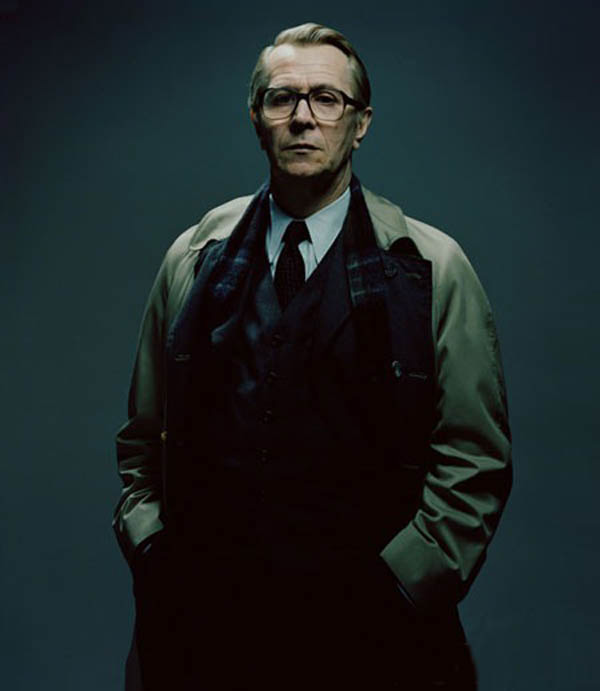
Tinker Tailor Soldier Spy (2011)

For this week’s homework we asked to watch Tomas Alfredson’s 2011 spy classic, Tinker Tailor Soldier Spy. This film is an all around masterpiece but one of my favourite parts of the film was the main character, George Smiley, played by Gary Oldman.

I loved how different Mr Smiley was from all the other famous film spies such as James Bond, Jason Bourne or Ethan Hunt. Rather than a young flashy spy, George Smiley represents an older generation even being forced into retirement at the start of the film. Instead of using flashy gadgets and brute force, Smiley uses his brain and spends a lot of the film simply thinking. This creates a great dynamic of the younger generation vs the older generation throughout the film which I would like to copy across to my scene.

My character’s greatest strengths will be his understanding of people and how they think, allowing him to always be one step ahead of them. He’ll also be a master of disguise, being able to disappear seemingly right in front of people. His weaknesses will be that he is aging so he lacks the physical strength and agility of his younger counterparts, he will also lack an understanding of the tech and equipment used by modern day spies. I want to include a subplot about an old man struggling to keep up with the ever changing times.
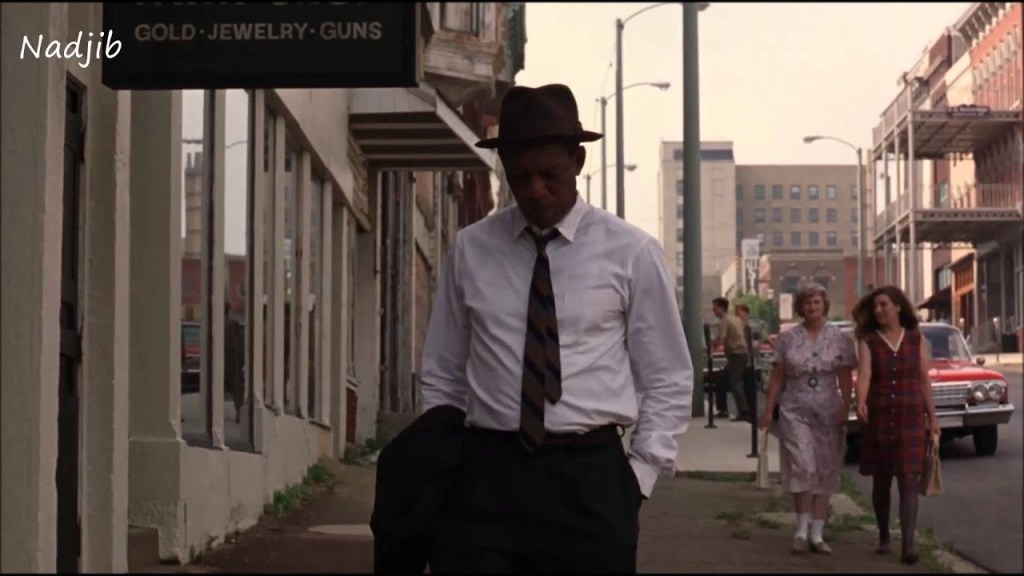
The Shawshank Redemption (1994)

Like Red and Brooks in The Shawshank Redemption, Character A will struggle to settle into life on the outside of MI6 once he retires and this will be how we first meet him.

I wanted to name my character after a real life British spy and in my research I stumbled across Richard Tomlinson, a member of the British secret service in the late 20th century. After feeling that he was unfairly dismissed from the service, Richard Tomlinson tried to take his employer to court but was denied. So he instead released documents about shady stuff MI6 had been doing which landed him in prison for six months. That idea of spy vs MI6 is a big inspiration for my narrative so this spy seemed like a great candidate for character A’s name.
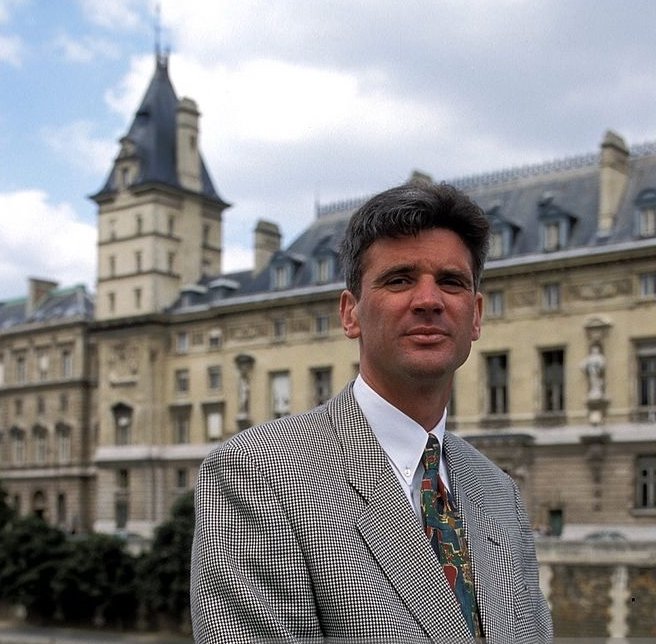
Richard Tomlinson

I would also like to pay homage to George Smiley who is by far the biggest inspiration for my character so, Character A will hereby be known as George Tomlinson.

Character ‘B’

My development of George Tomlinson essentially wrote my character B for me. While George is old, Character B will be young and fresh, a representation of the new generation of spies. Despite this, he is heavily inspired by CIA Director Robert Dewey from the 5th installment of the Bourne franchise in the sense that he is a high ranking figure trying to bring one of his rogue agents under control.
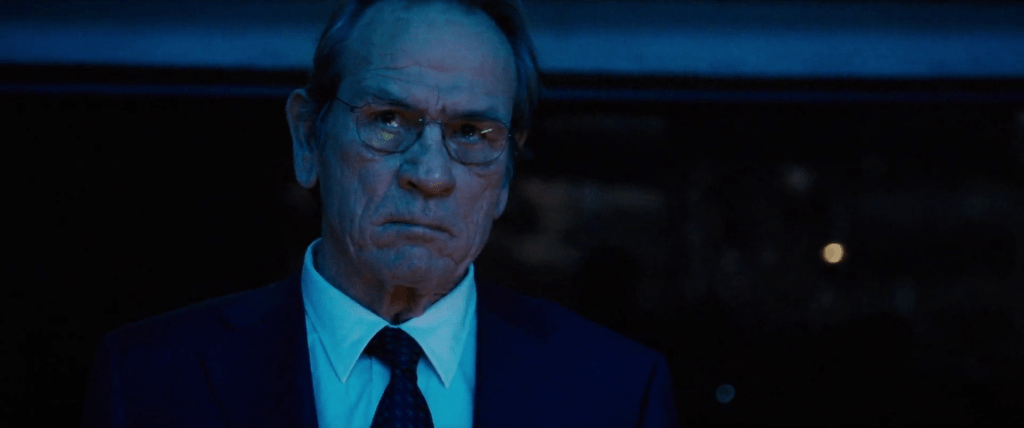
Jason Bourne (2016)

Character B will also be inspired by George Smiley’s counterparts in Tinker Tailor Soldier Spy, the young and impressionable members of the circle who George has to investigate and keep in check.
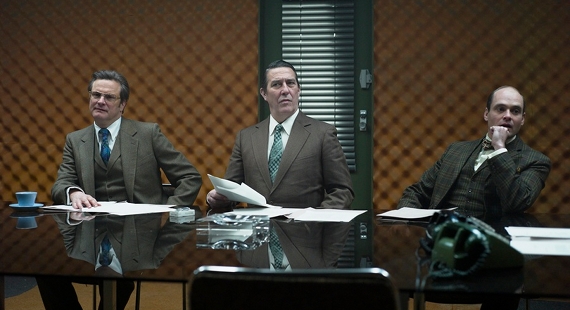
Tinker Tailor Soldier Spy (2011)

Character B will not be inherently evil, his motivation will simply be to better protect the British public. His methods, however, will be quite shady which is why George Tomlinson will feel obliged to stop him.

Character B’s biggest strengths will be that he has age on his side, he is physically superior to George. He also has the secret service behind him and has full understanding of how the modern service and its new technology and equipment works. His weakness is that he is too reliant on this new tech and overlooks George almost every step of the way, a mistake made by so many villains.

Like ‘The City’ from my superhero homework, Character B will be the head of the tech department in a fictional secret service simply referred to as ‘The Service’. This will serve the exact same purpose as The City in the sense that it can be related to any secret service agency in the world so that foreign audiences can relate to it just as much as local ones.

As character B is only heavily inspired by two characters, Robert Dewey from Jason Bourne and Bill Hayden from Tinker Tailor, it made coming up with a name very easy: Robert Hayden.

Sidekick

While this week’s assignment stated two characters we have to use it never said we couldn’t add some of our own.
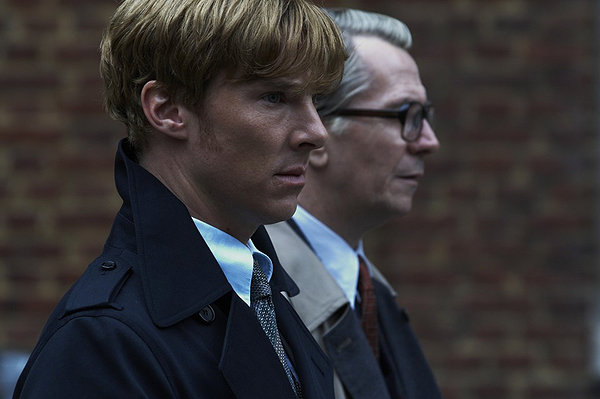
Tinker Tailor Soldier Spy (2011)

To counter George Tomlinson’s dated knowledge of The Service I will give him a young sidekick to help him out, loosely inspired by Benedict Cumberbatch’s character in Tinker Tailor.

Heavily inspired by whistle blower Edward Snowden, the sidekick will become disillusioned with the work he is doing and will be the one who comes to George to help him shed light on the illegal activities of The Service.

Edward Snowden

Having all the knowledge of The Service’s new security systems and technology, my sidekick will also serve as one of the protagonist’s mentors. Throughout my scene, the sidekick will be speaking to George through an ear piece giving him information he needs to complete his mission, a staple trope of the spy genre. But instead of being sat behind a computer watching security camera footage, he will begin on the ground with George, directly helping in the mission. This idea is straight out of the Waterloo Station scene from The Bourne Ultimatum.

As the scene progresses the sidekick will eventually end up behind a desk watching security camera footage as it just is a great narrative device.

Inspired by Jason Bourne and Edward Snowden I was going to call my sidekick Jason Snowden but the surname Snowden is just too recognisable so I instead named him after a lesser known mountain in Snowdonia simply called Drum. So my sidekick will be called Jason Drum.

Mentor

I’m not going to spend ages developing my mentor as they only appear in the opening of my scene. The only things you need to know when reading the scene is that she is an ex-member of The Service, like George.
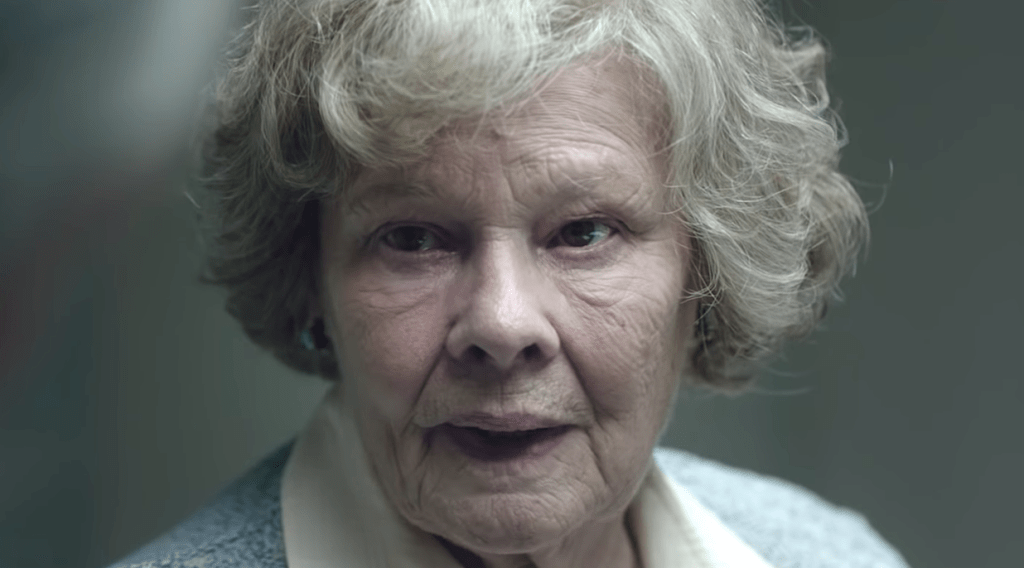
Red Joan (2018)

As we learned during the superhero homework, the mentor has to give your hero something that will help him in his quest. George’s mentor gives him a key she kept as a souvenir when she left the service, George uses this key to eventually break into their facility.

As the mentor plays no real part in my scene I won’t try to come up with a clever name for her, I will simply call her Barbara. This is because she is meant to come across as a typical old lady and Barbara is a very popular name amongst the older generations. It is also the name of my grandmother who has been very supportive of my career in film for many years, so shout out to her.

Plot

The plot is heavily inspired by current affairs and how everyone is worried about the government spying on us through our phones or home AI technology (i.e. Alexa, Google home, etc). It is common knowledge that websites track our online activities to give us personalized ads but my story plays into the fear that someone else is watching.

Amazon Alexa

After retiring from The Service following a very successful career, George Tomlinson will find himself with little to keep his brilliant mind active. To quench his thirst for adventure, George begins spying on the agency. He has no particular objective he simply likes watching, keeping an eye on any new recruits and trying to piece together what operations The Service is currently working on, more of a hobby than anything else.

Through this hobby, George begins to notice one particular new recruit who strikes him as suspicious: Jason Drum.
For Your Eyes Only (1981)

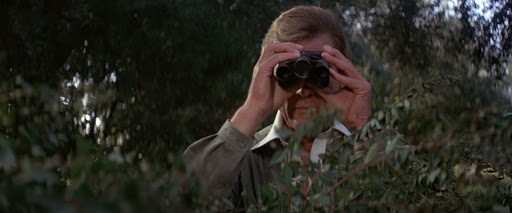
One night, George spots Jason stealing top secret files from The Service and believes he has caught a mole. Knowing he cannot simply report Agent Drum to the authorities and risk getting in trouble himself, George decides to confront Jason himself.

George discovers that Jason has been stealing documents which outline how The Service has been tapping into people’s devices to spy on them, something George is very opposed to. George decides to team up with Jason and help him blow the lid off this operation as it is completely illegal and breaches everyone’s right to privacy. The documents Jason has stolen so far have only hinted at the illegal activities of The Service and don’t contain any concrete evidence so George and Jason hatch a plan to steal the official operation documents which outline everything The Service has been doing in great detail. The only problem is they are kept in a safe in Robert Hayden’s office at the heart of The Service.

Setting

The location of the documents will be in The Service’s top secret facility. Inspired by Churchill’s Bunker in 2012’s Skyfall, the setting will be an underground base where all The Service’s top secret operations take place. I decided on this location as it seems like one of the hardest film bases to casually stroll into and the whole underground aesthetic creates the feeling of entrapment, adding to the tension.
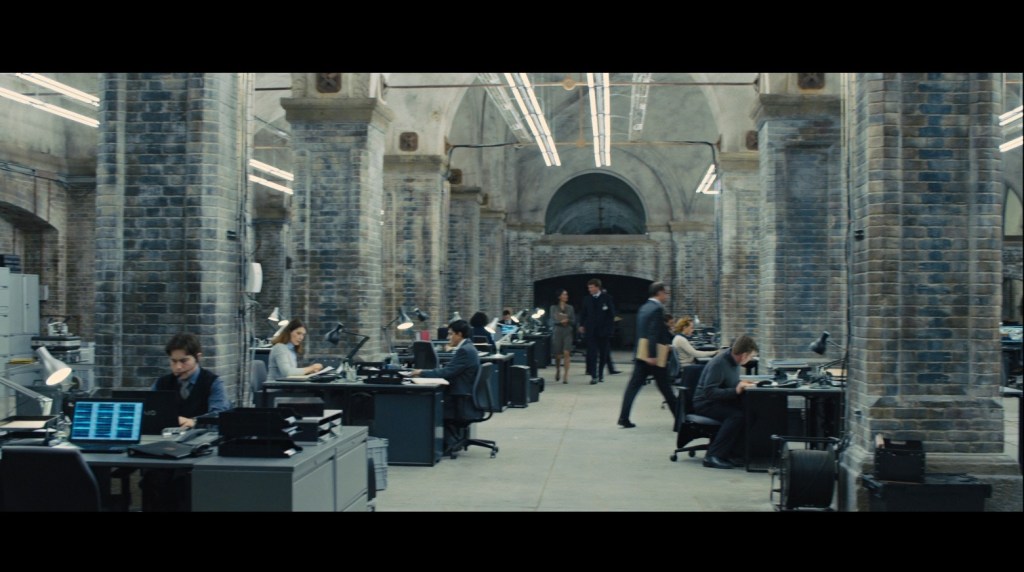
Skyfall (2012)

Another great thing about using secret tunnels for the location is it gives George another chance to use his age as an advantage. When he was an agent working for The Service they used almost the entirety of the tunnel system as their offices but as time went on they closed down many of these branches moving them to flashy offices above ground (a metaphor for how the new management cares a lot more about wealth and image than the older generation) only keeping the most Top Secret facilities underground. Because of this, George is the only one who knows his way around the tunnels and he uses this to his advantage.

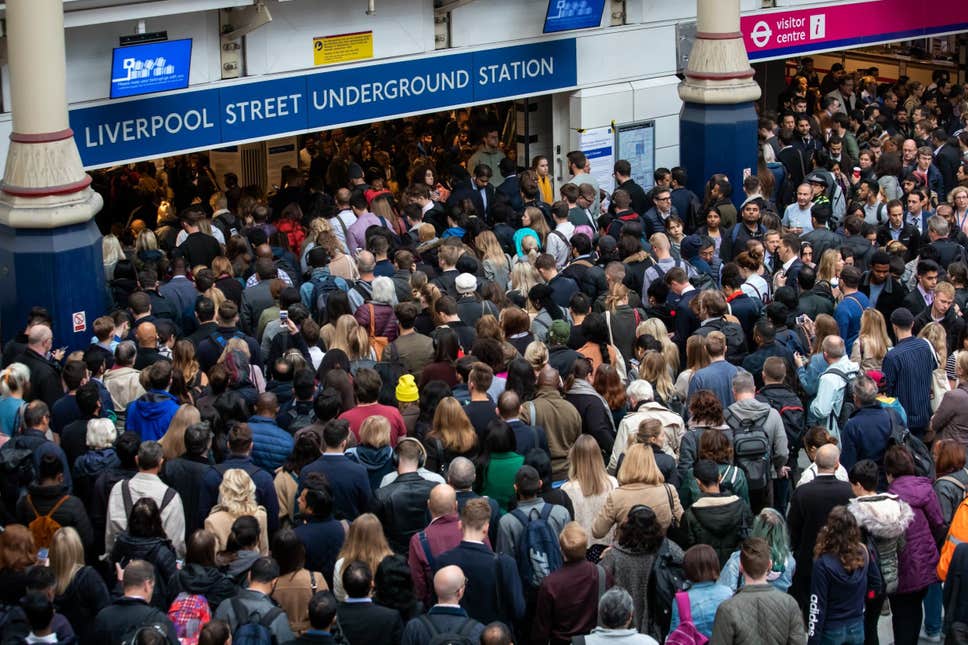
However, like in Churchill’s Bunker, the base will be connected to a maze of underground tunnels which will eventually connect to the London Underground (specifically Charing Cross station) . I made this decision as I wanted part of the sequence to take place in large crowds as a lot of my ideas for how George and Jason will pull the robbery off require everyday people to be present and also because some of my favourite action sequences in spy films take place in crowded spaces. You only have to look at these scenes from famous spy films to see how much it cranks up the intensity.

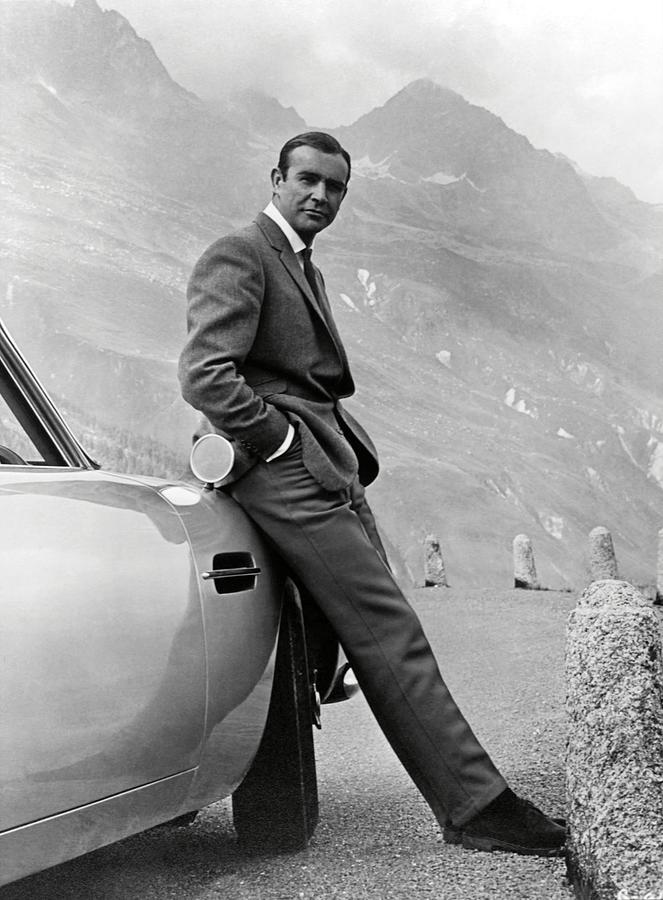
We will also follow Robert Hayden in his car as he travels back to the facility. This will help keep the tension as we are aware of him constantly moving closer and it also is a little nod to the underlying theme of old vs new as George will only ever travel by foot compared to Robert who travels around in high tech flashy cars. Robert will of course be driven around in an Aston Martin. I know I shouldn’t technically put a bad guy in the Aston Martin but I couldn’t resist.
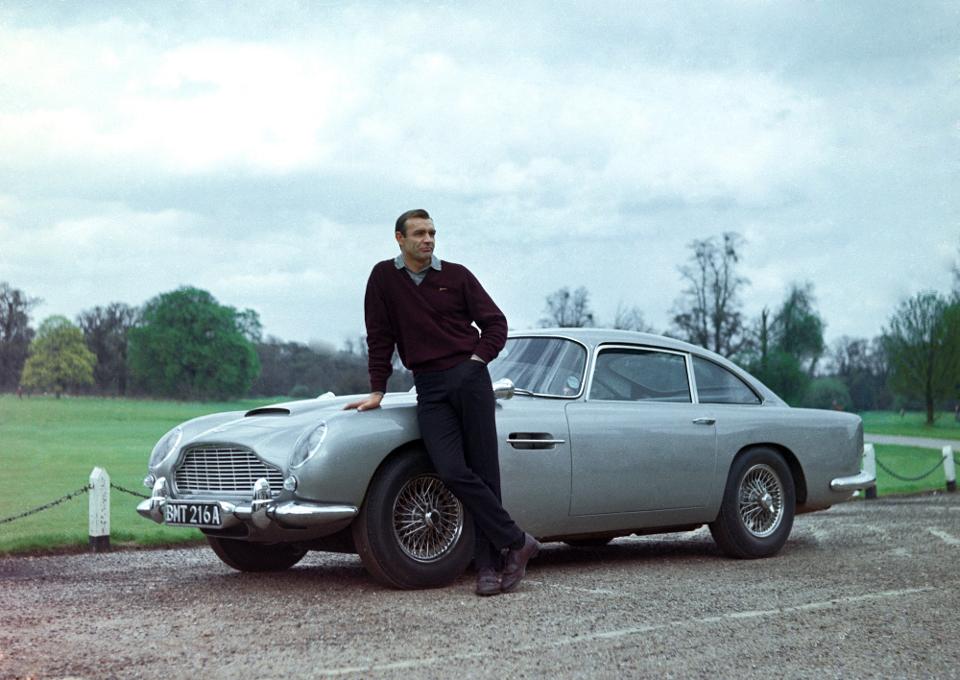
Sean Connery with the classic Aston Martin DB5

Time

George will be relying heavily on large crowds to mask his way in and out of The Service’s underground bunker so the robbery will take place at around 6pm on a Friday, when everyone is most eager to get home.
The Scene

Before you read the script I have written there’s a couple of important details I will have established in the film before we reach this scene.

  1. The robbery takes place on the day that Robert Hayden is scheduled to have a Meeting with the Director of The Service which causes him to be away from his office.
  2. The documents George and Jason are after are located in a safe in Robert Hayden’s office.
  3. The Director is an extremely secretive man and nobody, except the highest ranking agents within The Service, actually know what he looks like.
  4. George still has one former colleague he knows for definite is still working at The Service, but there are a handful more he is unsure about.
  5. Jason is quite high ranking within The Service and can access a lot of areas using his keycard. However, he doesn’t have time to make a replica card for George who is forced to rely on other people opening doors for him.
  6. One of the files that Jason steals at the beginning of the film mentions the password to Robert Hayden’s safe. This piece of information is what gives George the idea for this whole operation.
  7. Robert Hayden joined The Service the same year George retired and wouldn’t be able to recognize him based on appearance alone.

Right, with that in mind, here is the script…

Inspiration

The plot was born almost entirely from one of the most enjoyable pieces of television I have ever seen, Derren Brown: The Great Art Robbery.

I highly recommend you watch this if you haven’t as I think it is absolutely brilliant. The premise of the show is quite simple, Derren recruits 4 elderly people to rob a painting from an art exhibition (the painting in Robert Hayden’s office is going to be the same painting they stole in this video to pay tribute to it).

Derren makes it even more difficult though by telling the owner of the exhibition which painting will be stolen, what day the robbery will take place on and even what the eventual robber will look like. He finally adds that one of the members of security will actually help the robber escape unknowingly.

Derren pulls this off by playing on society’s view of the elderly. Society doesn’t think older people are capable of much anymore and therefore tends to often ignore them and certainly not think them capable of a crime.
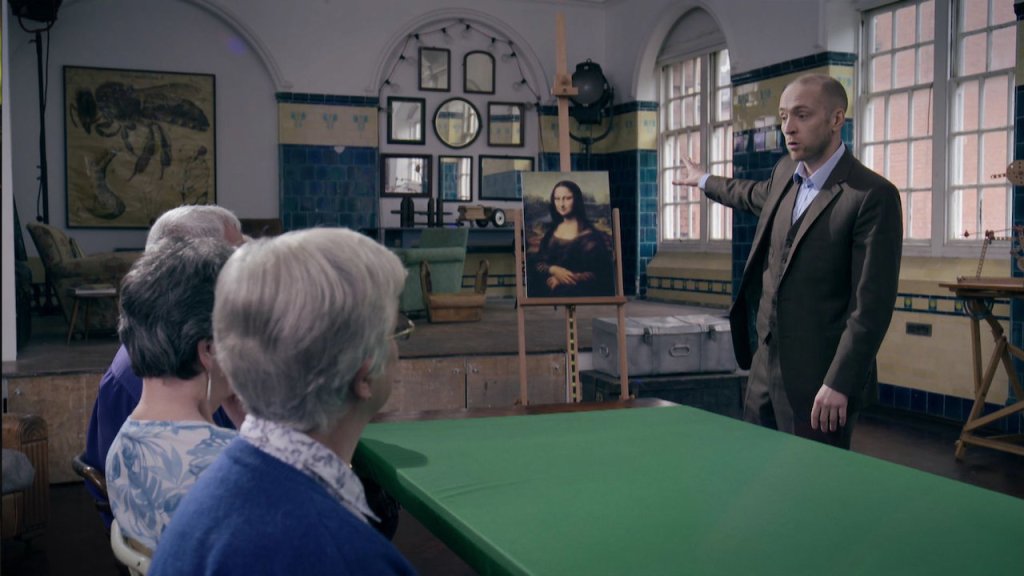
Derren Brown: The Great Art Robbery.

In my scene, George Tomlinson utilises the same methods as Derren, even going further at times.

He too abuses society’s dismissal of old people, he relies heavily on distraction techniques and takes advantage of how easily people believe you if you just act with confidence.

The Service’s offices are littered with high tech security and well armed guards but George manages to take them down just using psychology, a briefcase, and a credit card.

Side Characters

A number of other characters appear in this scene so I will quickly list off why I included them in the scene.

THE CLEANER

The cleaner, or ‘the man on the inside’, is put to demonstrate the ideas shown in Derren’s experiment. He is able to walk straight past a beeping metal detector just because the security wouldn’t suspect an old man of anything.

THE RECEPTIONISTS

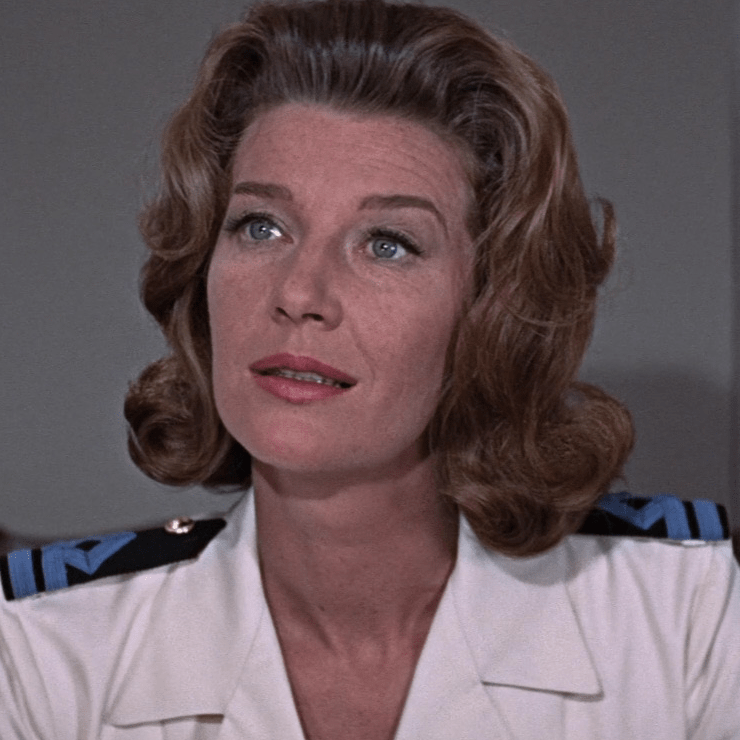
Jane and Eve are a representation of George’s relationship with The Service. On the outside, represented by Jane, it looks as if The Service has outgrown George and he no longer fits in there. But at the heart, represented by Eve, George still has a lot of allies and power, George is able to steal documents as a result of his age and how long he has worked for The Service. I wanted George to use his age to his advantage a number of times throughout the film and this seemed like another good opportunity.

The receptionist’s got their name from the famous Miss Moneypenny from the James Bond films. Throughout her on-screen life, Moneypenny has been referred to by two different names, Jane and Eve.
Miss Moneypenny

THE DRIVER

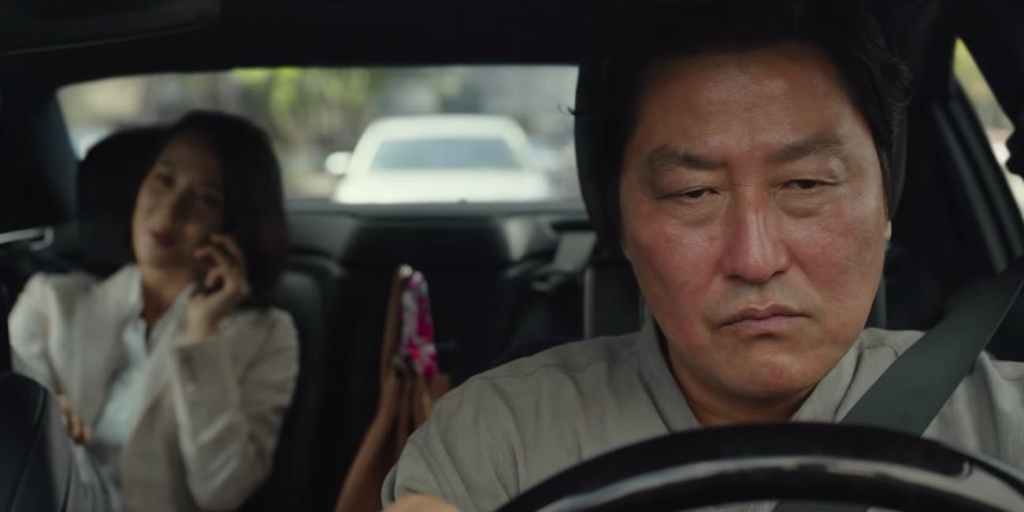
Robert Hayden’s driver is the final side character who plays an important role. He is there to show how dismissive and disrespectful Robert is to the older generation but his main purpose is to symbolize how little thanks the elder generation get. Everything we have today was made possible by older generations. While not everything they gave us is brilliant, it is true that they do not get as much credit as they deserve. The driver represents this by being ignored and insulted as he drives Mr Hayden around, making his job possible.
Parasite (2019)

Secrets of Cinema task 2

Braveheart (1995)

For this week’s task we were asked to respond to the second installment of Mark Kermode’s Secrets of Cinema which explores the History of Britain as shown through film. https://www.bbc.co.uk/iplayer/episode/m000gp05/mark-kermodes-secrets-of-cinema-series-2-2-british-history-movies

We were given 5 options for this week’s task and, unsurprisingly, I chose to do the screenwriting task: Write a short film or scene featuring Robin Hood. Max 5 pages. I chose this task as it again ties into my screenwriting and also because it links nicely to the superhero task as the character of Robin Hood holds similarities to the superhero I designed, The Ascender.

The first thing I had to decide was whether to write a stand alone short film or a single scene which connects to a wider story. I decided the latter option for two main reasons. I had a lot of fun world building and character designing on the superhero task and would like to follow a similar process with this week’s task and also, due to the current social distancing laws, I am going slightly loopy and could do with a big project to keep me focused.

The next thing I had to do was to decide what characters would be in my scene, where and when it would be set, and what the narrative would be.

Characters

Thinking up my first character was, unsurprisingly, quite easy as the task states that the scene has to contain Robin Hood. The great thing about writing Robin Hood is that there is a lot of uncertainty surrounding his life from historians and many doubt whether he was even a real person. Because of this you can afford a lot of artistic licensing when writing a Robin Hood story as there are no concrete historical facts about his life.

The first thing I did was to quickly research what facts we do know about Robin Hood so I could at least make an attempt for Historical accuracy.

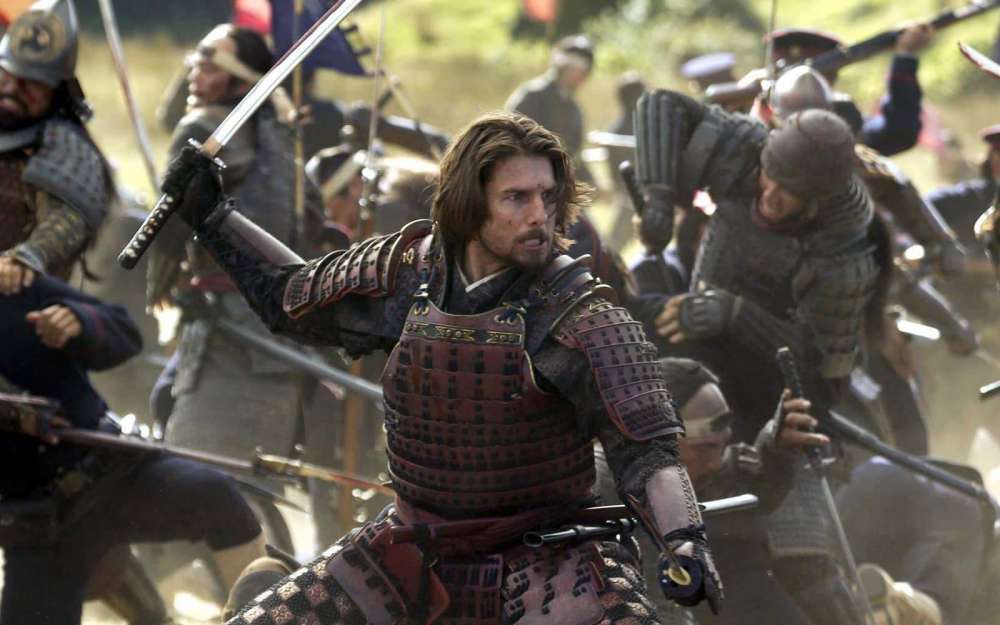
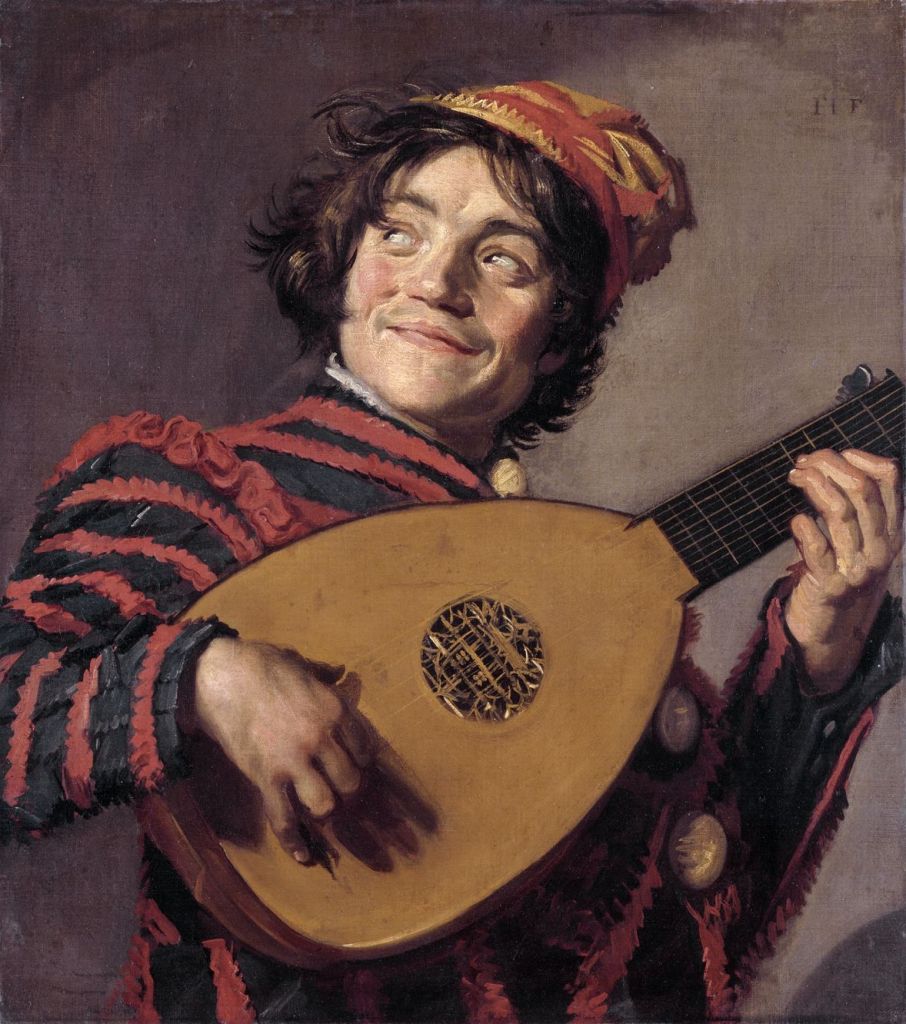
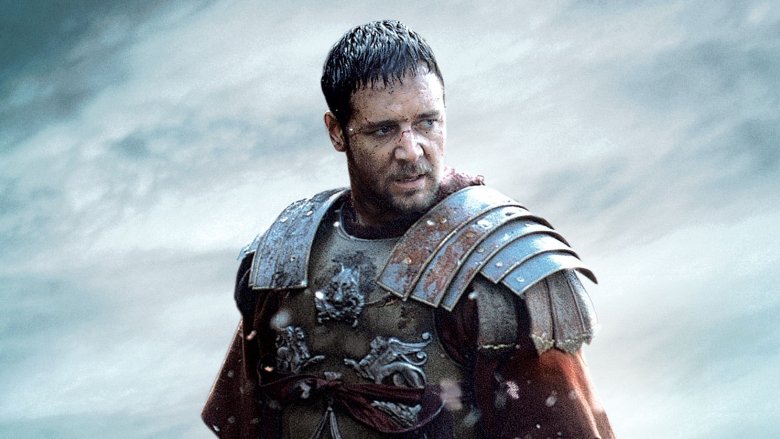
While the majority of this video just confirms how much doubt there is over the true life of Robin hood it did talk a bit about how the tale of Robin Hood began. The first time Robin Hood is mentioned in History is through old folk tales sang by medieval minstrels in the mid 1300s. When I first started thinking about my characters I decided I didn’t want Robin Hood to be my main character as I have always enjoyed historical films told from the perspective of a fictional main character such as Gladiator or The Last Samurai. I decided that having a minstrel be my main character would make for an interesting narrative. Of course, Disney’s take on Robin Hood in 1973 had a minstrel as the narrator but I wanted to take my story one step further and have my film be the story of the minstrel who first spread the stories of Robin Hood.

The Last Samurai (2003)

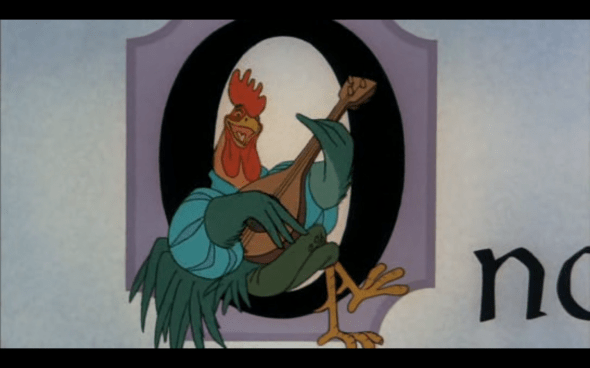
I then did a quick bit of research into medieval minstrels and discovered that there was a minstrel by the name of Alan-a-Dale who was thought to be a member of Robin Hood’s merry men. At first glance, this seemed to be the perfect character for my minstrel but I soon realised I had been beaten to the Alan idea. For example, the rooster minstrel in Disney’s Robin Hood is based of Alan-a-Dale and I believe there is also a television series which follows Alan-a-Dale. Because I yearn for originality I set my sights elsewhere and did a bit more digging. one of the first known mentions of Robin Hood was in a book of poetry written by William Langland in 1377. In of the poems, William writes of a minstrel named Piers Plowman who claimed to know the tales of Robin Hood better than he knew the Bible. I researched Piers and found he had yet to star in any hit films so decided my main character would be based after him and carry the name Piers Plowman.

Piers will begin the story as a Minstrel from the middle class who owns a nice house and a small bit of land, comfortable living for the time. But soon his fate will turn for the worst…

Robin Hood (1973)

When it came to designing my Robin Hood I knew I had a lot of creative freedom as all depictions of Robin Hood in film and television tend to be different from one another.

Robin Hood (2018)

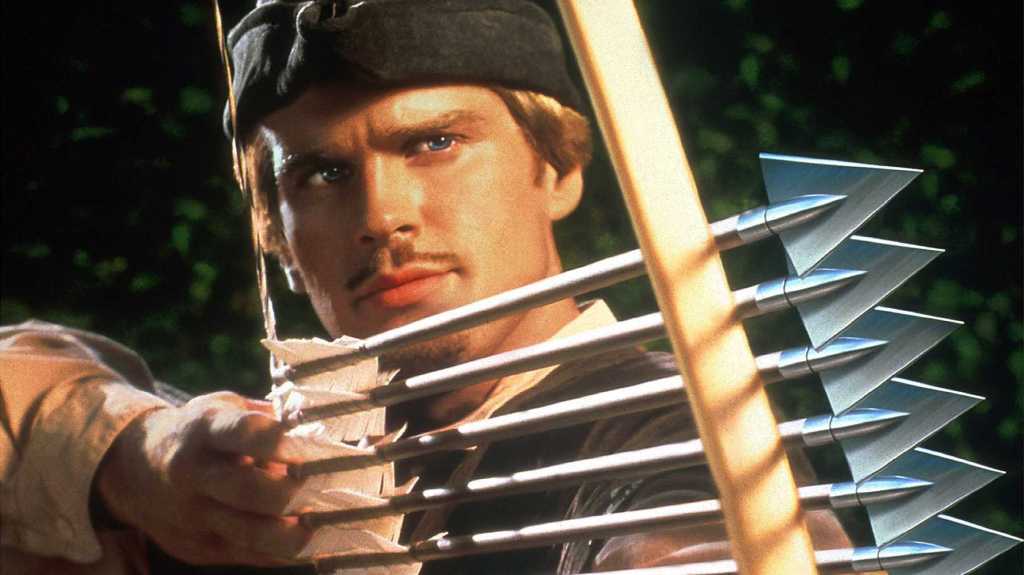
Many on screen Robin Hood depictions come of as a bit pantomimy and flamboyant such as Cary Elwes’ Robin hood in Men In Tights and Kevin Costner’s Prince of Thieves.

Robin Hood: Men In Tights (1993)

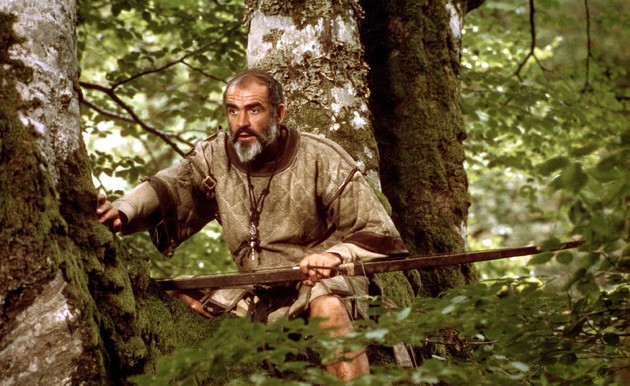
As Entertaining as these characters are I wanted to go for a more gritty realistic character and drew most of my inspiration from Sean Connery’s portrayal from the 1976 Robin and Marian. This film shows an older Robin Hood who is past his prime and is coming to an end of his adventures. While I want my Robin to still be young I like the idea of showing his weaknesses and vulnerabilities throughout the story making him more believable.

Robin and Marian (1976)

The other characters to appear in my scene will be Little John and Will Scarlett, two of the most famous of Robin Hood’s merry men.

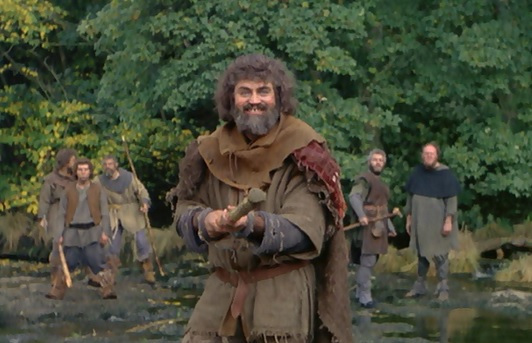
The majority of on-screen Little John’s follow a very similar pattern, the brawl to Robin’s brains. He is a giant of a man who is fearless and loyal only to Robin Hood. In Robin Hood: prince of thieves, Little John is the leader of The Merry Men before Robin Hood. I really love that idea so in my story, Little John will actually be the founder of the merry men and most of the core community will be made up of his family.

Robin Hood: Prince of Thieves (1991)

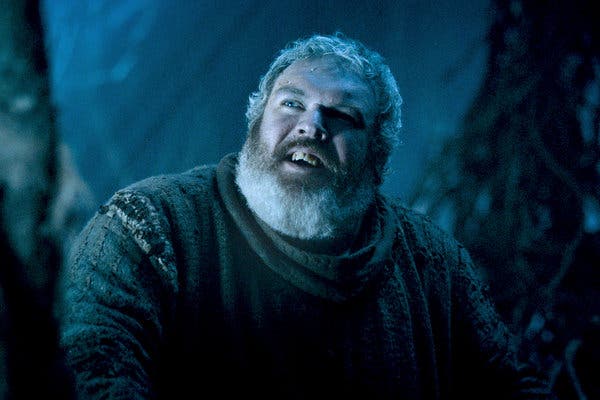
Other than that, nothing about the other on-screen Little John’s has really caught my attention so I will model my character’s loyalty, strength and fearlessness off of Hodor from Game of Thrones.

Game of Thrones (2011-19)

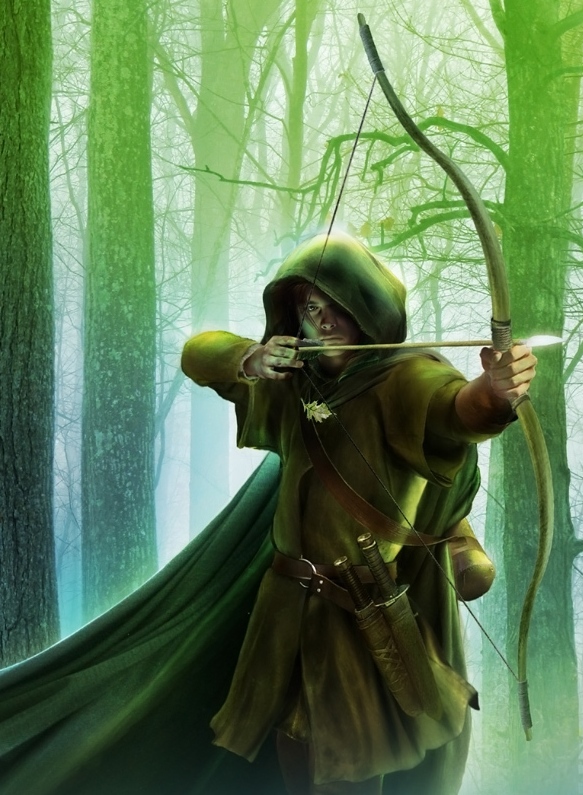
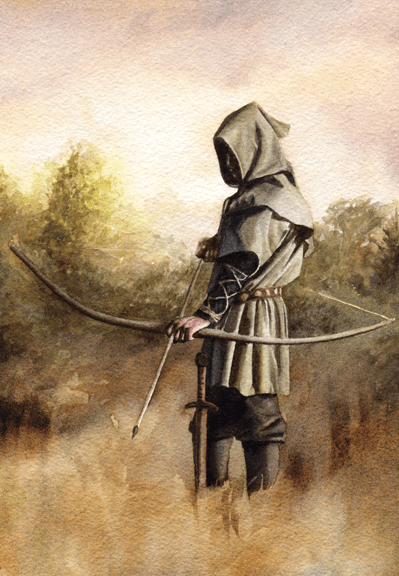
The final character to appear in my scene will be Will Scarlet. According to early ballads, Will Scarlett was Robin Hood’s nephew and was exiled along with Robin Hood. This struck me as a good origin story so I decided to copy it for my film as it would create a more meaningful dynamic between the two characters. Along with being Robin’s nephew, Will Scarlet will be a talented rider and a spy, the messenger of the group. He will also be a great archer like his Uncle but will rarely get to see action as Robin wants to protect him. My biggest inspiration for Scarlet’s character is Will from the Ranger’s apprentice series by John Flanagan (a book series I was obsessed with as a child). Will has to learn to be patient and control his thirst for battle in the book, something I want Will Scarlet to be going through in my film.

Ranger’s Apprentice fan art

Setting

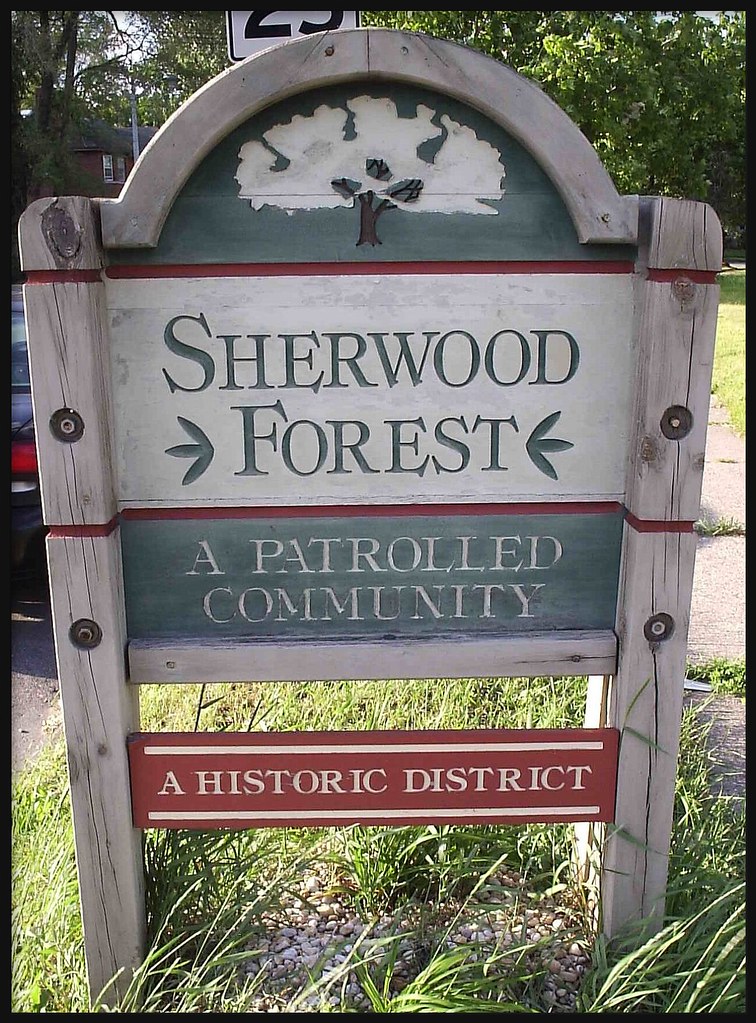
I was born in Nottingham and have always believed Robin Hood was accepted as originating from Nottingham as well because that is what I was always told growing up. However, during my research I discovered that Yorkshire, especially Barnsdale, believe Robin Hood belongs to them! But I will not succumb to that absolute rubbish and my Robin Hood will be a hero of Nottingham and thus my scene will take place in the great Sherwood Forest. (Also the overwhelming majority of films and television series set Robin Hood in Sherwood Forest so I really have no idea what Yorkshire is on about, I think they are just jealous).

Sherwood Forest: The real home of Robin Hood

Time

I normally wouldn’t put a lot of thought into what time my scene takes place in but I am currently reading Syd Field’s book on screenwriting and he insists that you should give it a bit of thought. So my scene will take place at dawn. This is because my scene will depict the start of a new chapter in Piers Plowman’s life and no time is a better metaphor for change and rebirth than dawn in my opinion.

Story

And now we come to the most important part of this task, the actual plot. The only thing I was completely certain about when I started brainstorming what my plot will be was that Piers Plowman, my protagonist, would be the first minstrel to tell the tales of Robin Hood, as depicted in William Langland’s poems. This meant that a key part of the story would be about Piers first discovering Robin and his merry men.

Robin Hood (1973)

To make the story more engaging I knew I had to give Piers an end goal and desire which could only be accomplished through telling the stories of Robin Hood and that is how the first seeds of a story started to grow.

We begin in Nottingham, a town plagued by deceit and corruption, The Sheriff is taxing the rich into poverty and blowing all the town’s money on his lavish lifestyle. Like the German Gestapo, the Sheriff’s men watch over the city, crushing any early signs of rebellion and destroying any hope that lives within the people of Nottingham. Against this backdrop, we find our protagonist: Piers Plowman, a struggling minstrel. The people of Nottingham have lost their taste for music and tales and soon Piers finds himself plunging into debt. He spends his days desperately trying to write hymns and tales nothing he ever writes but cannot seem to find that special story which will put him on the map. Driven insane by her husband’s fruitless attempts at getting money, Piers’ wife and kids leave him and move away. Sinking into depression Piers gets behind on his taxes and one night his house is stormed by the Sheriff’s soldiers as compensation for his late taxes.

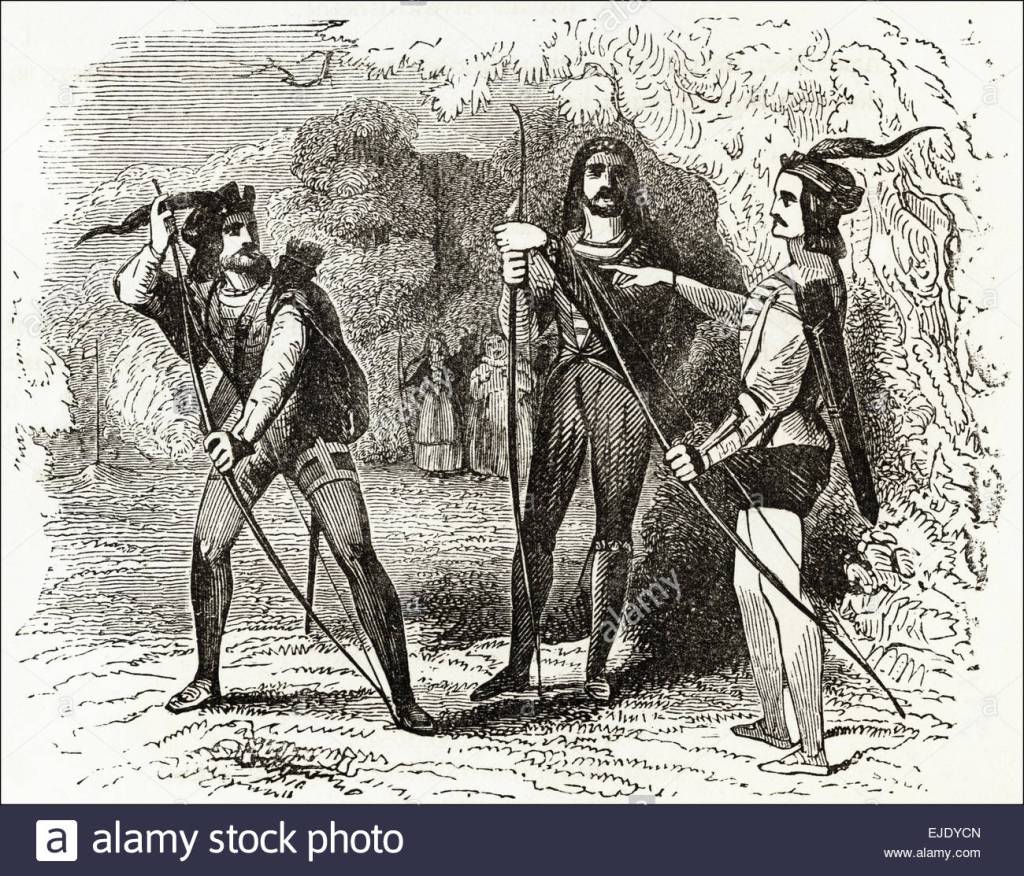
A medieval minstrel

In short, Piers’ life has hit an all time low (I recently re-watched American Beauty which is a story about a character hits an all time low which loosely inspired the opening of my film). Piers believes the only way to get back his old life is to write the greatest story in England and that becomes his goal.

I have found many historical films center around winning back wealth or seeking revenge or redemption so I thought this goal would be quite in keeping with the genre.

Gladiator (2000)

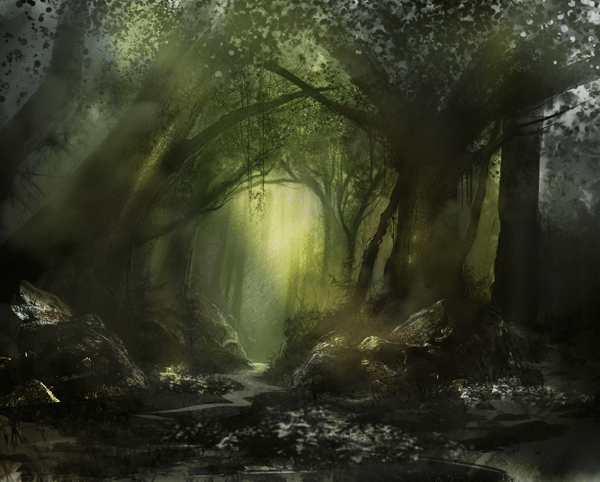
Piers knows of a great minstrel in Yorkshire known as William Langland and sets off to in the hope of meeting him and impressing him enough to learn from him. But Piers’ path takes him through Sherwood Forest, a forest famous for it’s outlaws and bandits. Piers knows he has no choice and ventures into the woods, not knowing what fate awaits him…

Mirkwood

My Scene

The scene I have chosen to write depicts Piers Plowman first meeting Robin Hood and will act as plot point one, transitioning from act one into act two and it will take place around page 25 (or at least it should do according to Syd Field’s ‘Screenplay’)

The purpose of this scene is to introduce Robin’s character and show the beginning of Piers’ transformation into an outlaw. I want my audience’s first impression of Robin to be that he is a skilled outlaw but a far cry from the hero of the people spoke of in myths and legends. To achieve this, the first time we see Robin is when he ambushes Piers, a man we know to be penniless and defenseless, the crime has no morals behind it and shows Robin to be little more than a skilled criminal. However I put in the bit at the end of the scene where he returns Piers’ money and horse to him to show that he is a good guy at heart but poverty and desperation has led him to criminal activities. I purposefully wrote it that Robin would only consider helping Piers once he sees how poor the minstrel is, a little sign that he has the potential to become the hero of the poor sung about in myth and legend. The little interactions between Robin and his men are there to show that Robin is the natural leader of the group. I also wanted to make it clear that Robin is a wanted man and I attempted to show that by having Little John and Robin immediately knowing to run away in opposite directions, suggesting they had escaped from the king’s soldiers many times before and line at the end where Robin says, “The soldiers are not here for you” is a pretty clear sign that Robin is all to aware of his wanted status.

In terms of his men, Little John and Will Scarlet, I intend to develop their characters in later scenes and for this scene I just wanted to show that John is the muscle of the group and Will is a talented and agile horse rider and also the youngest of the group.

The second main purpose of this scene, other than introducing Robin, was to begin Piers’ transformation into an outlaw. I use Piers’ horse as foreshadowing in this scene. When the scene opens Piers and his horse are in complete unison, one and the same. But once Will takes control of Piers’ horse he transforms completely into this powerful beast. This foreshadows the transformation that Piers will undergo once Robin becomes his mentor.

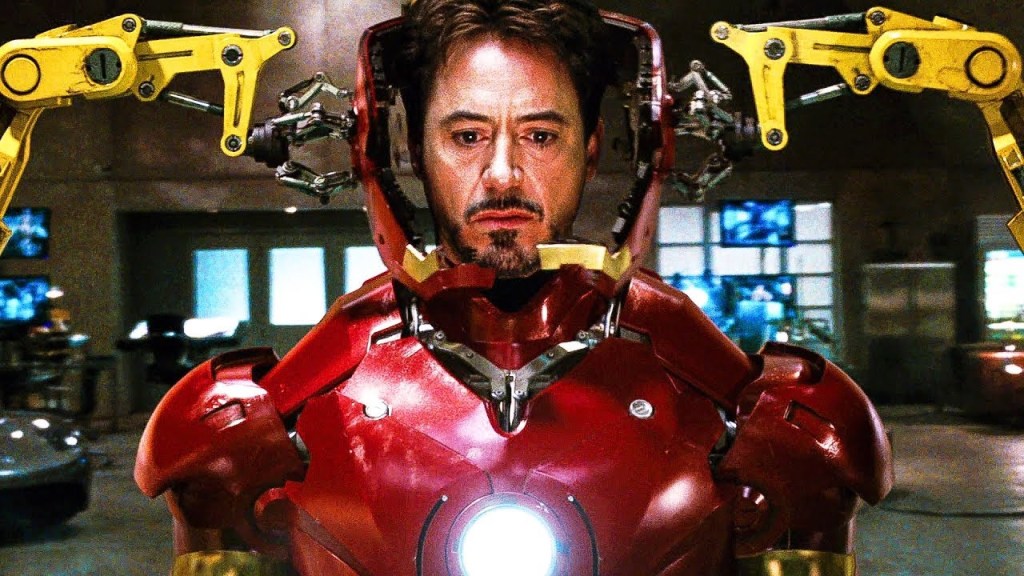
The part of the scene when Piers is running through the forest and his clothes are being ripped from him is modeled off an Iron man suiting up scene except it’s in reverse. Piers’ cap and cloak are quite flashy for the times but everything he wears underneath is more worn and resembles the clothes worn by Robin and his men. By losing the more expensive clothes it shows how Piers is literally running away from his old life and towards the new. Also, the fact that he is being chased by the Sheriff’s men, the medieval policemen, it symbolizes how he is leaving behind a life of abiding by the law and accepting a life of crime. I will let you decide how well this all comes across but that was my intention when I was writing that section.

Iron Man (2008)

On the topic of other films, the scene where Robin and Piers hide under the stump of a tree is (you guessed it) a direct copy of the scene in The Lord of The Rings: The Fellowship of The Rings where the four Hobbits are hiding from the Ring wraith.

The reason I chose to reference Iron Man and The Lord of The Rings is due to the similarities between my story and there’s. In Iron Man, Tony Stark begins as a man of wealth who grows to become a man of the people. In my story, Piers Plowman will begin as a middle class Minstrel who cares only for himself but will become the voice of the poor. In The Lord of The Rings, Frodo begins as a normal person who never thought of himself as a hero but discovers he is able to overcome some of the harshest ordeals in Middle Earth. Similarly, Piers will never think of himself as anything special and will push Robin Hood to become the hero but in the end, he too will discover what he is capable of.

I do not intend for these references to be spotted by everyone and be integral to the story, they are more like Easter eggs that I hope one or two eagle eyed viewers will pick up on.

Dialogue

Many historical films (actually the vast majority) have their characters speak a more modern dialect with a slight resemblance to the way people spoke during the time their film is set.

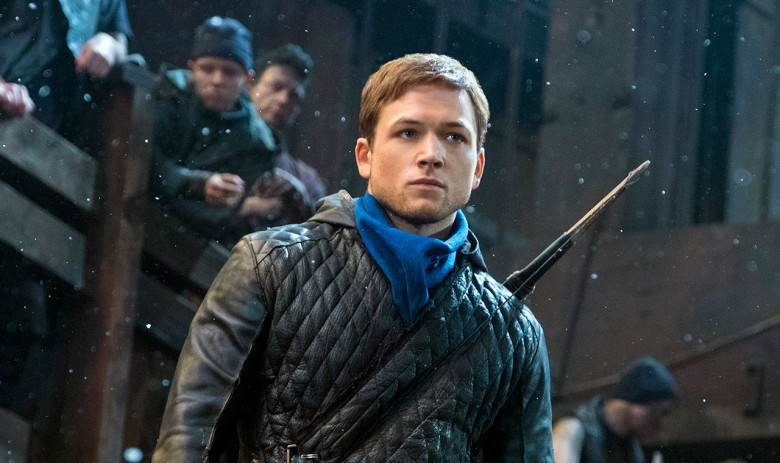
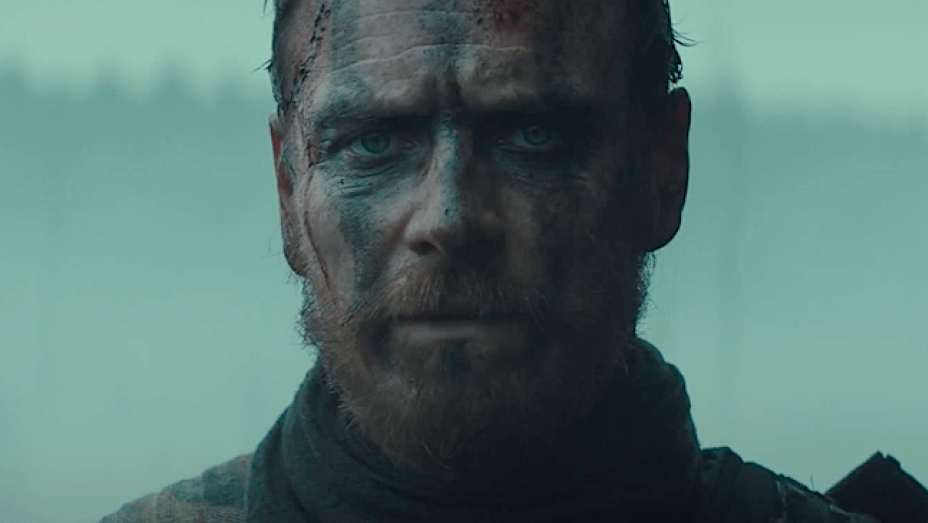
Others, such as Taron Egerton’s portrayal of Robin Hood go fully modern with their dialogue which often comes across sounding a bit odd. On the other hand, films such as Michael Fassbender’s Macbeth stay entirely true to the texts they are based off and, as a result, are extremely hard to follow.

Macbeth (2015)

With my dialogue I tried to throw a bit of old English into my dialogue but lean more on the side of modern dialect. Admittedly, I am far from an expert in old English so I’m pretty sure my dialogue sounds slightly ridiculous, but when is dialogue not laughable in draft one?

The Story Continues

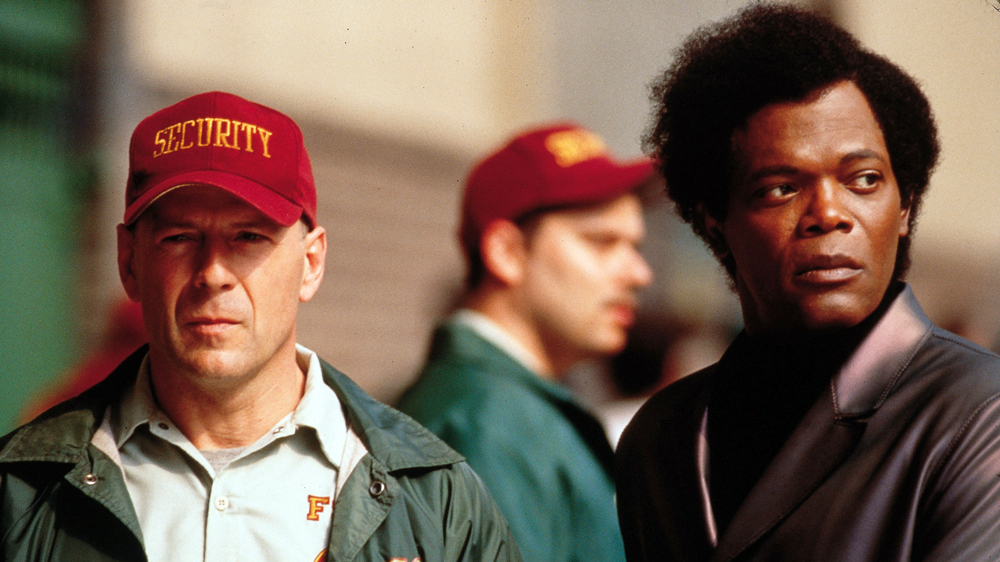
I am not completely decided upon what will happen after my scene but the plan at the minute is as follows: Piers will go with Robin back to his hideout at the Major Oak and we will properly be introduced to Little John and Will Scarlet. Piers will learn how the merry men (which is more of a community than a gang of thieves) were exiled by the Sheriff and are forced to hunt and rob to survive, leading to their constant fear of being caught by the Sheriff’s men. Some members of the merry men will make Piers a new Lute and he will improvise a song about the events of the scene I wrote. Everyone loves it and Piers realises that he has found the tale that could make him famous. Getting excited, he talks to Robin and says he could become a legend amongst the poor people but Robin insists that Piers is not allowed to spread tales about him because that would slightly ruin the whole living in secret thing he and his followers have going on. This dynamic is modeled off the dynamic between Mr Glass and David Dunn in Unbreakable where Mr Glass desperately wants David to become a hero but David is having none of it.

Unbreakable (2000)

Robin will teach Piers how to hunt, fight and move like a ghost while Piers will keep dreaming of a heroic uprising led by Robin Hood and his men and will keep writing songs about it, much to the dismay of Robin. But eventually the Sheriff’s men will discover the whereabouts of The Major Oak and will raid it, capturing a few of the Merry Men, including Will Scarlet. Due to Robin’s family connection with Will, he, John and Piers will travel to Nottingham to go Will from hanging and we will be treated to a scene very similar to this one out of Robin Hood: Prince of Thieves (but maybe a bit less melodramatic)

The people of Nottingham will assist Robin and his men in their escape and in his excitement Piers will proclaim Robin Hood the hero of Nottingham and get the people all excited (much to the dismay of Robin). After they have made their getaway Piers will insist Robin acts now and insights a full blown rebellion to overthrow the Sheriff. Having lost his home and nearly his Nephew, Robin begrudgingly agrees and the men prepare for battle. Piers acts as a master of propaganda, sneaking around Nottingham at night using his talents of performing to relight the fire of rebellion in the people. Eventually this will all result in a very over the top fight scene (in true Robin Hood fashion) which will see Piers Plowman undergo many of the most heroic acts and eventually win the day. Piers will then have the opportunity to reclaim his old life but instead opts to continue his life with the Merry Men, acting as the voice of the people, completing his character arc.

Overall, I want it to be a light hearted story that doesn’t take itself too seriously about how we are all capable of greatness and also about the power of the people (which I seem to be writing about a lot these days).

Journal

esterday we received our brief for our year one FMPs (final major projects). The three themes we were given to choose from were:

The Circle

The Distance

The Choice

I was extremely excited when I saw these three themes as, with a strong enough imagination, you could fit almost any story into one of these themes (especially the choice).

As a class we went through each of these themes brainstorming our initial responses.

This image has an empty alt attribute; its file name is the-circle-mind-map.jpg
This image has an empty alt attribute; its file name is the-distance-mind-map.jpg
This image has an empty alt attribute; its file name is the-choice-mind-map.jpg

Personally my favourite option off the bat is ‘The Distance’ as I feel you can get really creative with how you interpret it especially when talking about things like emotional distance or distance in people’s emotions.

‘The Choice’ is also brilliant as you basically have free reign with what you create here; you can pretty much take any story throughout history and find a point where a choice is made in some way or another. The reason I prefer The Distance is simply because it ties in with some of the ideas I had for my FMP before we were given our brief.

Pre-Brief ideas

Realism

Image result for the end of the fun***in world

The primary piece of inspiration for my FMP is the show, ‘The End of The F***ing World’ written by Charlie Covell. I first watched this when it came out back in 2018 and instantly fell in love with it. The main thing that made an impression on me was the characters and their relationship with one another, their dialogue and interactions feel very authentic and they compliment each other perfectly. This ties into my FMP as I also want to write something that feels very authentic and I want the relationships between my characters to be at the forefront of my narrative. I also want my main characters to be my age as I will be able to write them a lot more realistically because that’s maybe the biggest thing for me on this project, I want it to feel real. Another thing I love about this show is its use of voice-overs which represent the character’s inner dialogues, something I’m interested in exploring in my own film.

Quick fire ideas

Image result for the sixth sense
  • The Sixth Sense? – Make a film where one of the characters has been dead all along, but unlike in the sixth sense they will not be sentient they will simply be a projection of the other character’s memory of them (if that makes sense) This idea is the reason ‘The Distance’ immediately grabbed my attention.
  • Moving Away – As I have recently moved from my home in Stourbridge to Kendal I figured I could write a pretty authentic story about a character either leaving their home or arriving at a new home. My inspiration for this idea was the writer Terence Rattigan who is known for always writing about things he has personal experience in. Again, this ties in perfectly to ‘The Distance’.
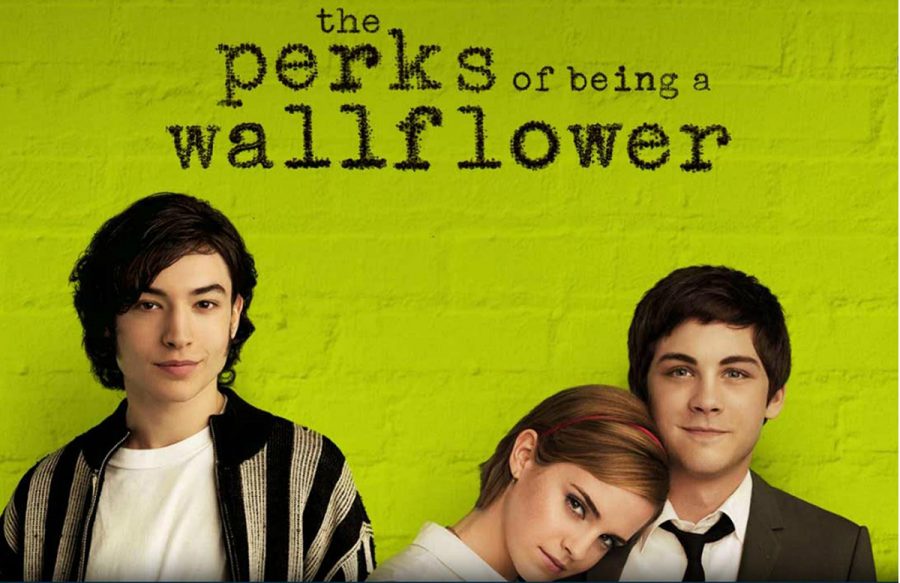
  • Anonymous – I’m not really sure why but I really like the idea of never revealing my character’s names to the audience. It wouldn’t be be a major part of the narrative or really tie into the narrative at all but it’s just another idea I had. I got this idea from ‘The Perks of Being a Wallflower’ where the narrator uses code names for all the characters except in my film you just wouldn’t learn the characters names at all.
  • Hitchcock’s Bomb – This idea was inspired equally by Alfred Hitchcock’s famous interview about cinematic tension and the opening scene of Quentin Tarantino’s ‘Inglorious Basterds’. The idea is to have an interaction between two or more characters where you reveal information to the audience that the character’s are unaware of in order to create tension.

Post-Brief

The first thing I did when I got home after being given the brief was to show it to my parents as I am going to be bouncing ideas off of them a lot so I need to make sure they understand the brief as well. I then immediately stuck it to the wall behind my computer so I can keep checking in with it as I write to make sure I’m staying on-brief (I have had a love-hate relationship with briefs in the past).

I then copied up the class’s mind maps on the three themes we were given up and stuck them around my house.

Today, I mainly focused on finishing off any outstanding college work so that I can fully focus on the FMP but I was able to find the time to do some research:

Now we are getting somewhere…

Last night I developed my first concrete idea, it is quite long so I think I’ll just explain it in a video:

I went into college the next day and Ryan explained his idea to me, here it is written down in his notes:

Ryan will be the first to admit his notes are a little hard to understand but the basic premise is that a psychopathic boy falls in love with a girl so he kills her boyfriend and is then left to deal with the consequences.

I took this idea with me over the weekend and did a lot of thinking. I knew it needed a lot of work but I really wanted to stay true to the heart of Ryan’s idea as he already had some great cinematography ideas.

While I was toying with that I started write my own little screenplay about a boy who is struggling with the death of his older brother and has to learn to move on in order to be able to carry on living his life. I wrote the intro down here:

Click to access trains.pdf

I really fell in love with the idea of someone learning to emotionally move on from there past in order to be able to live out there future, I think this struck a chord with me as it someone reflects me own experience of leaving my life behind in order to move to Kendal. Also I am currently reading ‘The Perks of Being a Wallflower’ which is all about that kind of stuff. Anyway, I let my mind stew over that for a day while I watched countless videos on screenwriting and re-watched the entire first season of ‘The End of the F***cking World’ as it is mine and Ryan’s core inspiration.

Image result for the perks of being a wallflower"

Today I had a bit of a eureka moment, here’s what happened:

Talk with Simon

On Tuesday I had a discussion with Simon about my idea. The main developments from that talk were the following:

  • I will focus all my attention on this project and will not spread myself too thin by trying to assist on multiple projects.
  • I am going to experiment with adding more characters into the opening scene so that it feels much more like an end of school gathering.
  • I won’t use flashbacks to the characters past but will instead hint at his mother’s death and his father’s struggle with alcoholism through dialogue.

Overall, Simon has given the idea the green light but we are both aware of how big a project it is and I have to be prepared to put my heart and soul into it if me and Ryan are going to pull it off. Luckily, I am prepared to do that.