Throughout my first year at college I have had a habit of being very ambitious with my work but nothing has come close to how ambitious myself and Ben Beckford were for this week’s homework. (the fact I am finishing this homework almost a fortnight after the deadline shows how ambitious it was).
Throughout lockdown, me and Ben have stayed in contact and had produced our first lockdown short, a silly comedy titled Men-For-Hire, the week before we were set the horror task.
As Ben is interested in sound design and I have experience in writing, directing, cinematography and editing, we quickly realized that we make a good team so Ben suggested we challenge ourselves to make a short horror film for our final task. I am a sucker for a challenge so immediately got on board and started writing.
My initial idea was about a man with schizophrenia who is in lockdown by himself. I liked this idea as it only needed one actor and could all be shot in my house. I am fortunate that my dad also has a love for filmmaking so I knew I could bring him in to be my actor.
As I started filming I made a realization – making films by yourself is really difficult. I found myself solely responsible for writing, directing, sound recording, lighting, camera operating, scheduling, etc and it was a massive shock to the system as I had gotten so used to working in a crew. This began to weigh quite heavy on me as things inevitably started to go wrong and I become quite pessimistic about the project and my confidence was shattered. This loss of confidence led to a loss of motivation and just thinking about the film became a challenge let alone prepping everything for filming and, to be honest, I really wanted to just quit and do one of the set assignments.
Luckily my dad is a lot more sensible than me and he realized that the film I had written was quite complex and was just too much for me to produce alone. He suggested I massively strip back the story and just use the task as a way to practice building tension and shooting in low light (one of the things I was having the most trouble with). It took me a while to come around to the idea as it felt to me as if I was giving up on the bigger challenge but I eventually accepted he was right.
The new idea was simply to make a film about a guy home alone at night who starts hearing weird noises. This idea purposefully had an extremely simple premise as it allowed me to focus on the main two things: building tension and shooting in low light.
Suddenly the project seemed a lot more achievable and I was able to prep and film the entire thing over 3 nights.
Lighting
As I already mentioned, one of my biggest challenges was lighting my set to be bright enough for the camera but dark enough to look like nighttime. I own two decent quality soft boxes but because I can’t adjust the brightness on them they were unusable for this film as they were just too bright. So I had to work with what I had.
My key light for the entire film was actually my clock as it is the only light in the house that I can adjust the brightness on. I decided to place this behind my subject to create a darker mood for the film.
By placing my key light behind my dad I was able to keep him in shadow, which is the look I was going for.
Also, by making my key light a practical it meant I didn’t have to worry about what was motivating the light in my scene as it was right there for the audience to see.
I then had to add a fill light as my subject’s face was completely in shadow and I again decided to make it a practical light source, writing a laptop into the scene to light my subject. I had the laptop angled up at him to create a sinister look and keep in some of the shadows which I quite liked. I also made sure to keep the laptop’s light nice and white, this helped my subject stand out from the orange background and create some nice depth in the frame.
I then used a combination of either one or two household lamps to fill in any unwanted shadows in the frame. The best example of this is when I used a lamp to light the bottom of the bed in my opening shot.
If you look closely you can tell there is a second light source lighting the bottom of the bed.
I found the lamps were a bit to harsh for my liking so I simply taped one of my softboxe’s diffusion sheets to it to create the look I wanted.
Camera settings
As we know, there are three ways to change how much light a camera lets in, so let’s go through those one by one.
ISO
Adjusting your ISO is the most obvious way of changing your exposure. If I was new to filmmaking I would have probably just cranked up my ISO and began shooting. But the higher your ISO the more noise you pick up and the more noise you pick up the more you cry when editing. So to avoid tears, I kept my ISO at 600 as I found anything above that began to let some noise in and I just wasn’t having it.
Aperture
The next way to change your exposure is by adjusting your aperture. But you have to also be aware that changing your aperture also affects your depth of field. Luckily, I had already decided I wanted to shoot with a small depth of field as I wanted my subject to really pop out of the background. To achieve this look I kept my aperture at f/2.8. Being the fastest my lens could go it also meant shooting at f/2.8 let in the most light possible which was a massive win.
shooting with a high aperture meant I could throw everything out of focus expect for my subject which was the look I was going for.
Shutter speed
We were taught to always keep your shutter speed at double the value of your frame rate (so if you’re shooting at 25fps your shutter speed should be 50). I set my shutter speed to 50 but the picture was still too dark. So I did a cardinal sin of filmmaking…
By lowering my shutter speed to 30 it allowed the perfect amount of light in. The problem is it meant I would pick up a lot more motion blur. But, as there is practically no motion in my film, I was able to get away with it. So, as painful as it may be to read that I changed my shutter speed, just know that it brought me great pain and I did it with full knowledge of the consequences.
Tension
I could bang on for ages about the many ways I attempted to create tension in this short but we’ll be here all night so instead I’ll just pick out the main techniques I used.
Camera movement
A lot of the camera moves in this film were performed on my slider
I used camera movement a number of times throughout the film in an attempt to create tension. Here are some of my favorites.
In this shot I used a push in to show my character’s emotions. When my character is listening for a noise the camera is still, as if the audience is holding their breath. Once he brushes off the noise the camera begins moving; he is relaxed.
I used a slow push in a number of times in the film but my favorite example is when my character is looking down the hallway. The push in makes it feel as if whatever he is looking for is slowly getting closer to him. Personally I think this shot came out really well.
This shot was actually filmed on sticks without any movement and I added a push in and tilt effect in post. By adding these effects in post it gave a really unnatural and unsettling feel to this shot. I also added a mask over the doorway to make it completely pitch black. All this coupled with Ben’s great sound design turned this into a really creepy shot.
In this shot I slowly revealed the doorway in an attempt to build anticipation for a jump scare. I again added a mask in post to remove any light spilling out into my hallway and keep that doorway nice and sinister looking.
Here I tried to match my character’s movements with the camera: following as he goes to get up and coming back down with him. I did this to try to visually show his thought process of wanting to check out the noise but then deciding against it. This trick was recommended in the book Master Shots Volume 3 by Christopher Kenworthy.
This shot was one of the most awkward to shoot because of how low I had to get the camera. I wasn’t able to use my slider as it wasn’t long enough so I ended up putting the camera on a thin laminated book and simply sliding it across the floor. This shot took about 8 takes to get right but I was really happy with the outcome.
Composition
I tried to use a number of composition techniques to create an uneasy feeling in the film. I could say a lot about every shot but I’ll just pick out my two favorites.
My opening shot was inspired by Jordan Peele’s Get Out. I used frame within frame and loads of negative space to give the feeling that my character is very alone and make the world outside of the room feel quite sinister.
Get Out (2017)
To achieve this look I set my camera up at the end of my corridor and made sure to get my entire door frame in shot. Then, in post, I masked out everything outside of the door frame, only leaving the shadow on the floor. Finally, I lowered the scale of the entire shot to make my subject look a lot smaller in the frame.
Original shot
I used a dutch angle a couple of times towards the end of the film to create a more uneasy feeling.
For this shot I used a combination of composition techniques. I used the dutch angle but also put the camera high up so that I could shoot down onto my subject, making him look vulnerable. I also used the rule of thirds but decided to put my subject on the right hand side of the frame leaving all the negative space behind him making the shot feel uncomfortable and making my subject look trapped. This is probably the most complex shot of the entire film due to the number of composition techniques I tried to fit into one frame.
My low ceiling made this shot particularly challenging to achieve
Shot Choice
I tried to be very conscious about choosing my shot sizes in this film as a way of assisting the narrative. I open with a wide to set the scene but then almost immediately jump into a number of close-ups to introduce the character. I made this decision because they always say eyes are the gateway to the soul and I wanted to see what the outcome would be if the first time we properly saw my character is through a extreme close-up of his eyes. I ended up really liking the intimacy of the shot and decided to leave it in the final cut.
I then kept nice and close to my subject until he hears a noise for the first time when I jump out to a wide shot. I did this to emulate how the character has been inside his own head but is now suddenly made aware of the room around him. This wide shot is also a way of reminding the audience how vulnerable my character is.
From this point on I slowly move the camera closer and closer to my subject, mainly sticking to medium sized shots around the mid point and building up to more close-ups towards the end. This is a way of building the intensity of the film and showing how the danger is getting closer and closer to my character.
The final thing to mention about my shot choice is that I decided to use my character’s hands as I way of showing his emotions i.e, typing when he is relaxed, stopping when he is scared, etc. I read somewhere that Steven Spielberg always loved putting an emphasis on his character’s hands and I had always wanted to try to put that into my own work. This project just seemed like the best place to experiment with it and, personally, I think it worked quite effectively.
Editing
Everything I have spoken about up until this point has been entirely my own work but the editing is where Ben got to show off his skills. Everything you hear in this film was both recorded and edited by Ben, only the sound of my dad typing was taken directly from the camera, everything else was crafted by him. This meant, when it came to editing I only had to worry about pacing and color grading (and a tiny bit of masking).
Pacing
There isn’t a great deal to say about the pacing of the film other than I had it slowly build throughout. I let my shots really linger at the start when he hears the first noises to build up a feeling of tension. As my character gets more uneasy the pace gets faster and faster until we hit a really fast section which takes us into act three where we return to lingering shots.
I also added a push in effect to this whole group of clips to help it feel more intense.
Color grade
I’ll be the first to admit, I’m not very good at color grading. Luckily I put in a lot of work with my lighting so I knew there wasn’t loads I needed to do. The main issues were that the whole film was very orange due to lighting everything with household lamps and the whole thing was also a little bit too bright. So essentially all I did in the grade was pull back the oranges and bring forward the shadows. It wasn’t very sophisticated but I am still happy with the final look I achieved.
Overall this film was a massive learning experience for me and even though the end result of wasn’t anywhere near as good as what I set out to achieve I am super proud of it. I am not proud of it because I think it is a masterpiece, I am proud of it because I made it, I was able to get it done despite wanting nothing more than to give up. Being isolated from people does horrible things to your creativity and motivation and I think it is a massive achievement for anyone to produce any sort of creative work in these conditions which is why I am so proud of this project, I defeated the lockdown blues.
Of course I wasn’t actually alone in this project so I’d like to give a massive thank you to my dad who helped me through this entire process and to Ben who worked just as hard as I did on this project and pushed me to produce the best work I could.
I chose pretty much the same task as the one I did for last week’s Rom-Com homework, ‘Write a one page synopsis for a feature film which deals with one of the following sci-fi tropes: Time Travel, Space Travel, Lost In Space, Aliens, Robot Companions, Technology Takes Over or The Future.’
The reason for choosing this task is because one of the only things keeping me sane in lockdown is being creative and I’ve found that these writing tasks offer the most opportunity for creativity, allowing me to engulf myself in a fictional world, so I will most likely continue choosing similar tasks until my real world situation becomes more exciting.
I, personally, have always been conflicted over my opinion of Science Fiction movies as films in the genre can often be quite silly and over the top and often pretty predictable. But on the other hand, when done well, sci-fi has established itself as one of the best genres for exploring humanity and the human psyche, just take films such as 2001: a space odyssey, ex machina or even Wall-E.
2001: A Space Odyssey (1968)
Because of this, my sci-fi is going to be a film about humanity and the human psyche disguised as a film about space conquest.
As a child, one of my favorite movies was James Cameron’s Avatar. I really loved how they made humans the enemy against an alien race trying to protect their home. I have now realized Avatar is basically a massive rip off of Dances with Wolves but the core story still manages to work as a sci-fi and my narrative will be loosely similar.
Avatar (2009)
Another film I will be taking inspiration from is The Martian. In The Martian, Mark Watney is stranded by himself on mars and he has to figure out how to get back to earth. I was disappointed when I both watched the film and read the book as I felt they failed to delve very deep into the psychological impact of being stranded in space and I felt it was a real missed opportunity.
My story will not follow one man but a group of astronauts stranded on a distant planet with no way of contacting earth and, unlike the Martian, it will focus heavily on the psychological impacts of this and how each of the crew members deals with it. It won’t be a story about trying to get back to earth but instead a simple story of survival.
The Martian (2015)
I have recently finished reading Alex Garland’s novel, The Beach, about a group of travelers living on a hidden beach and how they deal with being away from society and it has a big focus on the human psyche. My vision for my Sci-Fi film started as The Beach, but in space. (I must also mention that The Beach was made into a movie and I take absolutely zero inspiration from the film adaptation as it is absolute garbage).
The Beach (1996)
In terms of the different options we were given I went for the idea of being ‘Space travel’ or, more appropriately ‘Space Colonisation’. I will follow a group of astronauts tasked with colonizing a planet believed to have the correct conditions for human survival. Our main focus will be on the second wave of astronauts who join an already partially developed colony and are tasked with scientific research of the planet and search for any intelligent life forms already living on the planet.
Alien: Covenant (2017)
As you might have guessed, this whole set up is very similar to the real life colonization of the Americas by the Europeans. But instead of drawing inspiration from the systematic removal and extermination of the native people (like Avatar did) I am instead drawing inspiration from the lesser known events of an early colony known as Roanoke. To summarize, early English settlers set up a small colony on an island on the outer banks of the American mainland known as Roanoke. Everything seemed to be going fine but when a resupply convoy arrived a year later the entire colony had dissapeared and, to this day, nobody knows what happened to the people on the island. While it only took up half a page of my history textbook, this story fascinated me and I often pondered over the experiences of the settlers and what it must have been like for them. This week’s task seemed like a great opportunity to delve back into my fascination with the story of Roanoke as my film will be exactly that, early pioneers tasked with colonizing a new world with no way of communicating with anyone except themselves. The only difference is that it will be set in space.
An early drawing of the Roanoke Colony
One of the greatest parts of writing a Sci-fi film is that you are not tied down by any real world limitations when it comes to world building and can really come up with anything you want. Despite this, I plan on keeping the setting of my film quite simple as I don’t want my film bogged down in the science and laws of an unknown planet.
Eden
Avatar (2009)
The world in which my film is set will be heavily inspired by Avatar’s Pandora, it will be like a paradise. The atmosphere will be extremely similar to that of earth’s meaning our characters will be able to live on the planet without the need of external life support. The planet will also be able to support human crops. Despite this, all the natural vegetation on the planet will be poisonous to humans meaning the only food they can eat will be the rations brought with them and any crops they can grow themselves. The water will also be poisonous if drank straight from the source but the early settlers will have already installed the tech necessary to make it drinkable.
Avatar (2009)
Other than the problem of food, the planet will be easily inhabitable, with resources similar to that on earth such as wood and rocks and the odd lifeforms they have already discovered will be simple insects which pose no real danger to humans other than the fact they are not safe for human consumption.
Kepler-452b
The official name of the planet will be Kepler-452b as that is the name of the real life planet considered most inhabitable for humans. My Planet will of course be a fictionalized version of Kepler-452b, taking only it’s name and the hope that it could, one day, be a second home for our species. The human settlers living on the planet will refer to it as Eden, after the garden of Eden from the bible. The astronauts will give it this name simply because they think of the planet as a sort of paradise. But the hidden meaning behind the name hints at some of the crew members attitude towards the planet, believing they have an almost religious ownership of the planet and considering themselves to be deities, giving the planet a purpose, like Adam and Eve.
Artistic depiction of The Garden of Eden
The comparison to the garden of Eden will also foreshadow the colonies eventual descent into chaos.
The Basic Plot
Before I introduce you to the characters I will quickly outline the basic idea for the film to help you understand what part each character plays.
The second wave of astronauts join the early settlers and begin their tests and examinations of the planet Kepler-452b. An Alien Biologist discovers Alien life forms which are quite primitive in their evolution and pose no real danger to the humans. On the same day the Aliens are discovered a massive storm hits the base, the storm passes but huge clouds remain in the sky making it impossible to communicate with earth and drastically slowing down the productivity of their farms.
Luckily they have a good supply of emergency rations and agree to get on with their mission while they wait for the clouds to pass over. None of the scientists on the planet have a concrete answer on when they expect the clouds to disperse but they are hopeful it won’t be too long. They also know that there is a supply ship about a 2 month journey away from them so worst case scenario they will just have to hold out till then.
A couple of discoveries are made such as, The Alien biologist discovers the body of an Alien who died in the storm which she is able to run an analysis of and a valuable metal (still haven’t decided on a name) is found by the team’s geologist who insists it could make them all billionaires back home. Other than these two advancements everything goes pretty routinely in the passing two months. But still the clouds refuse to disperse.
Regardless, the group receives a message from the supply ship 2 months later (as it is now right above Keplar-452b and it can send signals through the cloud) saying that they will drop off some supplies which will keep the group going till the clouds disperse when the ship will be able to properly land and pick them up. The group rejoices and soon they see the hull of a ship break through the clouds. Their joy soon turns to horror as the ship is suddenly picked up by a strong burst of wind and is thrown into a nearby mountain, being destroyed on impact. The group goes to examine the wreckage but none of the supplies or crew survive the crash.
Aliens (1986)
Suddenly the group is properly alone; No nearby supply ships, no off-planet communication, no sense of when the clouds will clear and running seriously low on their emergency previsions.
A day later the tests on the dead alien return and a major discovery is made – The alien’s flesh is safe for humans to eat. And the moral dilemma is set: Do the humans carry on trying to grow their own food, running the serious risk of them all starving to death, or do they wipe out the local population in order to survive?
Characters
Star Wars (1977-)
Now onto the most important part, who are our characters?
The first characters we will be introduced to in the film will be on the second wave of astronauts coming to support the first settlers. The biggest difference between the first and second wave is that the mission of the first wave was to set up a base on Eden, so it mainly consists of engineers, a small security force, and a group of scientists tasked with setting up a food and water supply. The second wave is more focused on analyzing the planet and consists of scientists in a variety of different specialisms such as Geologists, Botanists, chemists, biologists, etc. The first wave priorities the survival of the group above all else whereas the second wave has a lot more respect and interest towards the planet itself, this will cause a rift in the group as the story evolves.
Of the second wave scientists we will only be properly introduced to three; a botanist, a geologist and an alien biologist.
The Alien Biologist
Our Protagonist. Inspired by Avatar’s Jake Sully and Dances With Wolves’s Lieutenant Dunbar, The Alien Biologist is the alien sympathizer. She will be the one to first make contact with the aliens and seemingly the only one to view them as intelligent life forms instead of something to analyse.
Arrival (2016)
Our protagonist will also take a lot of inspiration from Arrival’s Louise Banks in the way that she will be totally fascinated by the aliens and strive to find ways of communicating with them peacefully.
I can’t think of a clever name for our Alien Biologist right now so for the time being we will just call her Kate.
One of the first things we notice about Kate is that she struggles with autism, making it hard for her to properly fit in with the rest of the group on Eden. Taking inspiration from X+Y’s Nathan Ellis, Kate will have struggled in social situations growing up leading her to feel very distant from the people around her and become obsessive over her studies into Alien Biology. Her love of Aliens was really born out of her difficulty understanding humans, this causes her to feel very conflicted when she does discover the Aliens as throughout her life she has always felt closer to Aliens than humans.
X+Y (2014)
This is also the reason she was chosen to take part in the mission. The purpose of the mission is to colonize Kepler and make peaceful contact with any intelligent life forms they may find there. Kate was chosen because she respects Aliens and feels a real connection towards them meaning she is the best person to make first contact as she is extremely unlikely to come across hostile.
Throughout the film, Kate won’t have a massive character arc but will have similar development as Lieutenant Dunbar in Dances With Wolves, she will discover the alien colony and spend all of her time learning their culture and the basics of their language. As the humans slowly grow more hostile towards the aliens she will be forced to choose where her loyalties lie.
Dances With Wolves (1990)
The Botanist
The Botanist gets along with Kate and seems to be the only person she is truly comfortable around at the start of the film.
The botanist will be one of the younger members of the team and we will learn that he worries about the opinions of those around him, this is the main reason why he gets along with Kate because she is non-judgmental.
The Martian (2015)
The botanist will be in charge of researching possible food sources already growing on the planet. He will soon discover that pretty much everything on the planet is unsafe for human consumption which will annoy him as he worries people will think he is not doing his job well. He decides to try genetically engineering the planet’s resources to make them safe for humans as he thinks this will win him favor from the group.
In terms of the main narrative, I picture the botanist playing a similar role to Etienne in The Beach: He arrives in the new world with the main protagonist but becomes a background character while the protagonist undergoes their journey, popping up from time to time as a friendly face and carrying their own little subplot which will eventually come back to affect the main narrative later in the story.
The Beach (2000)
Of course, we cannot talk about a space botanist without mentioning The Martian’s Mark Watney. So, the botanist in my film will be known as Mark.
The Geologist
The Geologist will have the least screen time out of these three characters but he’ll still play a part in the main narrative. All you really need to know about The Geologist is that he begins the film in high spirits, always talking and cracking jokes, almost giddy with excitement to be on the mission. This creates a very noticeable language barrier between himself and Kate.
A subplot of the film will be The Geologist discovering the rare and expensive material on Kepler. He will become almost obsessed with it as the story progresses and his frustration with the fact he is sitting on a gold mine with no way of cashing it in causes him to be the first crew member to psychologically crack.
Avatar (2009)
This subplot about the rare material is inspired by the mission director in Avatar, Parker Selfridge. Therefore, The Geologist will be called Parker.
The rest of the second wave scientists won’t ever be properly introduced to us but for the most part they will make up the alien sympathizers with only one or two wanting to eat the aliens.
But the story won’t only follow the second wave astronauts, three of the first wave settlers will also play a key part in the narrative, The captain of the first wave, the head of the group’s food supply and the head of security.
The Captain
Major-General Anthony Wayne
I decided early on that I wanted to name The Captain after an American General who committed violent acts against the native population as the film is a commentary on all kinds of colonization. I did a bit of research and settled on General Anthony Wayne. To summarize, Anthony Wayne was a soldier in the American Revolution who was promoted to Major-General for his heroic acts. This promotion led him to play a major part in the removal of native Americans from the North-West colonies. General Wayne led American troops in The Battle of Fallen Timbers where his army defeated the natives. After the battle, the native population were forced to leave the north-west territories to make way for white settlement.
The Battle of Fallen Timbers
The reason I chose Anthony Wayne is because he didn’t join the army with the goal of wiping out an indigenous people like many later American generals, he joined the army to fight for the freedom of his people and fought bravely for a just cause in the American revolution.
All of his horrific acts against the native population stemmed from a completely lack of empathy and the horrendously skewed perception that the natives were Alien and white settlers were the rightful owners of the American Continent. This perception meant he was able to justify his own actions as he put the comfort of his people above the lives of others.
This is exactly the mindset of the Captain in my film and therefore he will take the entire name of General Anthony Wayne and be known as Captain Anthony Wayne.
Captain Wayne will be put in charge of the mission because he is a proven and well decorated Captain in the Galactic fleet. As a member of the first wave his only priority is the survival of his men. Captain Wayne will be fully in support of the eating of the native population because, like his namesake, he views them as a lesser species. Because of this he will eventually take up the role of antagonist but this will only develop after the ship crashes at the midpoint of the film, he will not start out as the antagonist.
Like Thanos, Captain Wayne’s actions will be understandable as it will be clear he will be acting to save his people.
Head of Food
This character will actually be referred to as head Botanist but I didn’t want there being confusion between them and Mark in the blog. The head botanist will be one of only a handful of scientists on the first wave and her job will simply be to maintain the supply of human food (such as wheat, potatoes, etc) while Mark’s job is to research the planet’s food supply.
The Head Botanist will be the eldest and most experienced member of the entire crew. We will learn that she has taken part in two failed attempts at colonizing a planet before this one which greatly frustrates her. This will cause her to be quite bitter and maintain the mindset of ‘victory at any cost’.
1917 (2019)
Her desperation for victory is very loosely inspired by Colonel Mackenzie from 1917 so she will therefore be referred to as Mackenzie.
Head of Security
The final character to get a decent amount of screen time is the Head of Security. He is the only character in the film (along with his small security force) who isn’t a scientist or an engineer and is simply there to look after everyone else while they do their jobs. Due to the very peaceful nature of the planet and its inhabitants this character finds himself with very little to pass the time except keep an eye on the aliens while Kate learns about them. This leads the two to spark up an unlikely friendship as the head of security is completely fascinated by the Aliens, unclouded by science and experimentation, just a childlike curiosity (think E.T)
E.T (1982)
In my mind, this character is a direct contrast to your classic gun-slinging alien fighter such as Avatar’s Colonel Miles Quaritch. My Head of Security will be a war veteran who has become disillusioned by war and unnecessary violence. He was chosen for the mission because he is calm and collected and will only act out in defense. Unlike most military characters in films, he doesn’t have a burning desire for action and is actually far more comfortable in peace. The passive nature of the aliens will be another source of intrigue and he will grow very fond of their well mannered, innocent nature.
Avatar (2009)
The Head of Security will end up being the loudest voice against eating the Aliens as the film develops.
I decided to name this character after American fur trader Jim Bridger. Jim Bridger was very tolerant of the native Americans and came to know a lot about them, even learning their language allowing him to become a mediator between the natives and the colonists.In this story, the head of security will act as the main spokesperson for the Aliens’ right to not be eaten so it seems natural that he would be named after the famous Mountain Man. He will be known as Bridger.
Jim Bridger
Robots
Forbidden Planet (1956)
You may have noticed that I have mentioned nothing about Robots so far in this blog post and that isn’t an accident. The film is set in the future where robots will be common place in human society just like a mobile phones and laptops are today. Every scientist will have a robot companion to assist them in their studies but other than that they will mostly be ignored by the humans and play little part in the plot simply going unnoticed in the background.
The only robot who plays any real role in the film is Kate’s robot. All the robot’s will have the ability to communicate with the humans but only Kate will engage in conversation aside from work with her robot. Due to her autism, Kate will find it very refreshing and easy speaking to her robot who always gives straight and honest responses. Because of this, Kate will actually have her most open and honest conversations with her robot and the audience will learn a lot about her through the conversations they have together.
Star Wars: A New Hope (1977)
I decided to add robots into my story for quite a simple reason actually. The most common ‘enemy’ in sci-fi movies are either Aliens or Robots. Because of this I thought it would be a nice way to subvert audience expectations by having Aliens and Robots be the most passive and peaceful characters in my film and have all fighting take place between the humans.
I did also want the robots to represent cultural assimilation but I realized to pull that off I would have to put a fair bit of focus onto them and that could really clog up and over complicate the story so I decided just to keep them as background characters, peacefully going about their lives while the humans kill each other.
The final part Kate’s robot will play in the story is that the robot will be programmed to put the lives of the humans above all else meaning the robot believes that Kate and the others should eat the aliens. Kate has to then undergo the difficult task of explaining why it is inhumane to kill the aliens, most of the moral questions posed in the film will be addressed in the conversations between Kate and her robot.
Aliens
District 9 (2009)
Appearance
The main inspiration for the appearance of my Aliens are the Ewoks from Star Wars: Return of the Jedi as I want them to come across very nonthreatening. The Aliens in my film will have similar clothing to Ewoks and be a similar size, about waist height on humans. I want the humans to be taller than the aliens to show how they literally look down on them (everytime Kate or Bridger communicate with the aliens they bend down to their height; they sees them as equals).
Star Wars: Return of the Jedi (1983)
But I don’t want them to have fur like Ewoks, instead having similar textured skin to humans except with colorful complexions. I want their skin to almost mimic the planet’s wildlife with bold pastel colors, each alien having different colors and patterns, kind of similar to the skin of the Banshees in Avatar.
Avatar (2009)
In terms of skeletons, I imagine the aliens to have very similar proportions to humans, just smaller. The final thing I am set on is I want them to have big eyes to connote innocence and wonder.
Home
The Aliens will be extremely primitive compared to their human counterparts and will live in very similar conditions to the untouched tribes in the Amazon Rainforest with simple shelters made out of the immediate supplies around them.
Amazon huts
Tools
Most of the aliens daily routine consists of gathering fruit and plants (they eat a completely plant based diet) gathering resources, building new shelters, repairing damaged shelters, making clothes and making other things such as furniture and beds, etc.
The aliens will develop tools to serve these purposes so their tools will resemble axes, scythes, whittling knives, etc. While some of these tools may come across dangerous to us, the aliens will have no concept of weapons and the tools will simply be used for practical purposes.
Stone age tools
All of their tools will be made out of the extremely valuable resource the geologist discovered.
They will also have discovered fire which means pretty much all the scenes after the storm will be lit by firelight (because I love firelight cinematography).
Food
As I mentioned, the aliens will only eat the plants and fruit found on Kepler-452b and those food sources will be in high supply. The Aliens will have a very similar culture to the native Americans meaning they do not believe in greed and ownership so they are very mindful to only pick the food they need, this allows the planet to easily keep up with their demand and they really don’t have to worry about ever running out.
Avatar (2009)
This is a key reason as to why they are so passive. Their reliable food source means they have no need to kill animals and their culture of community and disbelief of ownership and possessions means they have no reason to kill one another.
Religion
The Aliens won’t have any gods but they worship mother nature and conduct a number of ceremonies around the worship of nature. The only ceremony we actually see in the film is a funeral. This worship of nature is inspired by the native american culture.
Dances with Wolves (1990)
Language
Arrival (2016)
I am still unsure of what I want the alien language to be but as of right now, I like the idea of their communication being a mixture of speech and sign language. They will be able to make noises like humans (of course in a different language) but they will incorporate movement alongside it. I don’t really know where this idea came from but I think it would be cool
I think that pretty much covers everything you need to know, shall we actually get on with the task I was set now?
Act One
Avatar (2009)
The film opens with the second wave on their spacecraft arriving on Kepler where we are introduced to Kate, Mark and Parker and, through their brief interchanges, we learn a bit about who they are and what their different jobs are.
The ship lands at the basic camp set up by the settlers and we are introduced to Captain Wayne, Mackenzie and Bridger. Captain Wayne briefs them (and the audience) on the planet, Mackenzie fills them in on the food situation and Bridger explains that they have yet to discover any intelligent life forms but believe it is likely some exist on the planet. After the brief Bridger will meet Kate and explain that he will be her personal security officer as she is undergoing the most dangerous job.
We will then jump forward to the pair, with Kate’s robot, exploring Eden and looking for intelligent life. Through their conversation we will learn more about them and what brought them to the planet.
Annihilation (2018)
We then get a pretty cliche sequence of the pair hearing a noise in the undergrowth, they go on alert, tension, tension, blah blah blah, minor jump-scare, they discover the first Alien. The Alien they find is simply collecting fruit and seems completely unafraid of the pair (like the dodos, the aliens have no natural predators on Kepler so they haven’t evolved to fear other creatures).
Kate and Bridger realise the Alien isn’t hostile and follow it as it heads out of the woods and soon they discover an alien camp. They decide to let the team back at the base know about their discovery and head back just as a storm cloud comes into sight.
The Martian (2015)
We jump forward to Kate and Bridger telling Captain Wayne about the Aliens while the storm rages outside. He seems cautious but accepts the pair’s analysis that they are non-threatening. Throughout their conversation, crew members pop in to report storm updates such as, the ship that brought the second wave in has been damaged, the farms set up outside of the shelters have been pretty much destroyed and all the comms are down.
Act Two (part one)
The storm passes but the sky remains blacked out by clouds. Wayne and Mackenzie pull together an emergency meeting where they explain that they still have no way of communicating with anybody off planet due to the dense clouds and they have lost a good chunk of their food supplies and any new food will be very difficult to grow. Despite this they are optimistic as there is a resupply ship only a two month journey away and, worst case scenario, they will be forced to hold out till then. The last thing they mention is that they have no idea when the clouds will pass but are optimistic they will be gone soon.
Rogue One (2016)
The symbolism of the clouds is that the settlers slowly come to think of themselves as gods. The clouds are a subtle reminder that, no matter how far we advance our technology and our species, we will always be at the mercy of nature. Another symbolism of the clouds is that they cast the planet into darkness for the rest of the film making it feel sinister and deadly despite us already knowing it is completely safe. As the storm comes the same night the Aliens are discovered, the darkness symbolizes how the planet is trying to protect its native population, the humans are the ones who don’t belong and nature is almost rejecting them.
As they have no control over the clouds and know they have an escape route if they run out of food, the group decides to just carry on with their individual missions.
The next day, Kate and Bridger come across the body of an alien who died in the storm which they take back to base to run tests on.
Kate checks in with Mark from time to time to track his futile attempts at genetically engineering Kepler’s natural resources but everytime he injects something alien into the fruits they die (metaphorssssss).
Other than the brief check ins with Mark, the first half of act two mainly focuses on Kate and Bridger learning about the aliens and their culture. They essentially learn everything I outlined in the Aliens chapter of this blog post and Kate even develops the basics of their language. We notice how Kate seems to become a new person when she interacts with the aliens, completely coming alive.
Avatar (2009) Just pretend Sigourney Weaver’s character is a human in this picture.
Bridger reveals to Kate that his wife and daughter were killed in a car accident back on earth. The sight of an alien mother with her child strikes a chord with Bridger and he develops a massive respect for the aliens as their own people, not just something to marvel over and he develops a real care for them and a desire to protect their simple way of life.
Time passes but still the clouds refuse to disperse which causes some concern amongst the camp and we soon see the first signs of tensions forming. But for the most part they are let go of while they wait to hear from the resupply ship which they are trying to convince themselves is coming.
The final major event before the midpoint is Parker discovering the valuable material, it is only mentioned in a brief conversation but I want this plot point to be set up before the midpoint.
Midpoint
Two months passes from when the storm hits and the group begins to grow anxious, worrying it may not come. But, just after I’ve had enough time to build up some tension, the group receives a message that the supply ship is above the planet and is going to drop down some supplies. But, if you’ve been paying attention, you’ll know that the ship crashes on entry to the planet. This marks the midpoint of the film.
I know I already used this gif but it’s just really good
Act Two (Part Two)
The group is thrown into panic and again calls a meeting to figure out what to do. They decide to focus all their efforts on sorting out a reliable food supply. Plans are made to tear down large parts of Kepler’s forests to make room for more farmland. Kate and Bridger try to argue this will jeopardize the alien’s food supply but they are ignored by Wayne.
A lot of pressure is suddenly put on Mark to bring forward some results and out of desperation he runs his own tests on the dead alien and discovers that their flesh is safe for human consumption, he quickly alerts the group of his discovery.
Some of the first wave settlers insist they should go about harvesting the aliens. Bridger argues hard against this, explaining that the aliens are completely innocent and shouldn’t have to die just to get the camp out of their own mess. The group accepts and agrees to prioritize sorting out their own food supply but it is clear many people are in two minds.
Disclaimer: This next part of the film takes place over a period of 4 months as the group’s situation gets worse and worse.
Kate and Bridger are aware that they won’t be able to look after the aliens if the camp completely runs out of food. They try to warn the aliens but cannot communicate the issue to them as the aliens have no concept of murder.
Kate has some difficult conversations with her robot who believes the group should eat the aliens as the robot is programmed to do everything in its power to keep the humans alive. Kate is forced to wrestle with her own morals as she tries to explain the humans are the aliens and it would be better for them to die than to wipe out the innocent native population.
Mark is in support of keeping the aliens as a backup food supply because he is worried about his reputation due to all his experiments being failures but Bridger is able to talk some sense into him and he agrees they should prevent any harm coming to the aliens at all costs.
Mackenzie oversees the destruction of more and more of Kepler’s forests being destroyed to make farmland. As a consequence, the aliens begin to run low on food and soon they start to show early signs of starvation. Kate insists the deforestation has to stop which causes a big clash between herself, Mark and Bridger against Wayne, Mackenzie and the rest of the first wave settlers. The two sides are now very clear for all to see; First wave settlers against second wave scientists, Parker remains neutral for the time being.
As the tensions become unbearable in camp, Parker descends into madness over the existence of the valuable resource and his inability to cash in on it and goes to Captain Wayne insisting that they have to eat the aliens otherwise they will all die.
Wayne calls a final meeting where he informs the group that eating the aliens is now back on the table. Another heated argument breaks out.
Realizing the damage is done, Kate rushes off to the Alien camp to make a final attempt at warning them of the danger they are in.
Despite the outcry, Wayne puts together a team to head to the alien camp, they arm themselves with the weapons they brought to Kepler to keep themselves safe from danger. Bridger arms a couple of the scientists, including Mark, with guns of their own and they rush out to try and talk Wayne and his men out of it.
Kate arrives at the camp and begins pleading with the aliens to run but they are preoccupied with something: Two of the Aliens have died of starvation and the rest of the tribe is conducting what appears to be a kind of funeral. Kate just watches the ceremony with helplessness and sadness, she quietly despairs to her robot as the aliens begin singing dark, ceremonial hymns (I decided the aliens can sing because singing is often refereed to as a universal language).
Wayne’s men are about to reach the outskirts of the camp. Bridger and the scientists desperately beg them to rethink and see the insanity of what they are doing but are shut down under the argument that humans must kill to survive. The begging turns to threatening and the two sides begin an intense stare down which attracts the attention of the whole camp who all pick a side and join in the furious argument, both sides have men armed with guns. Unavoidably, a shot is fired.
The battle is not pretty, better described as a bloodbath. The shots of violence are inter-cut with the alien funeral, their hymns lending a soundtrack to the whole scene. We, the audience, are not part of the battle but instead watch it through the eyes of the many robots brought along to assist the humans. They sit away from the battle, watching their masters slaughter each other, emotionless. Just as quickly as it began, the battle ends with no clear winner or survivors. We are left with an image of Kate watching the aliens burying the bodies of their dead, completely unaware of what has occurred back at camp.
Act Three
Kate wakes up in one of the alien huts, she concludes Bridger must have talked Wayne out of killing the aliens and heads back to camp with her robot. As she is walking she suddenly stops in realization, the clouds have dispersed. Overjoyed, Kate rushes back to camp.
When Kate arrives she sees the aftermath of the battle and is overcome with grief and begins desperately searching for survivors. She finds Bridger still breathing. He comes to and the two have a brief exchange where Bridger explains that this was the best outcome for the planet, how humans were never meant to be there and had only brought pain and damage to the world and its people. Bridger almost rejoices that the aliens will get there paradise back and can continue living without fear. Bridger dies in Kate’s arms.
Although devastated, Bridger’s words stick with Kate and she lets them sink in as she goes to examine the camp. In Mark’s lab she finds a tiny flower growing in the soil. Kate gets Mark’s robot to run a diagnostic and discovers it is safe for human consumption.
WALL-E (2008)
Kate then goes about deactivating all the robots and machinery the humans brought to Kepler. As she is turning off the communication devices she notices a message has come through from main command stating a relief ship is on its way to pick them up. Without hesitating, Kate types a response – PLANET UNSAFE, ABORT RELIEF MISSION, CAMP DEAD (or something along those lines).
Kate then grabs the last of the human food and water left on the farms, carefully puts Mark’s plant into a container and throws it all into a rucksack.
She leaves the camp and finds her robot, the only piece of machinery still running. She considers shutting it down but eventually decides against it. She takes a last look at the carnage and damage the humans were able to cause in less than a year on Eden before heading into the forest.
Final thoughts
This could probably go without saying but pretty much everything in the story is liable to change as I only had the initial idea about 5 days ago and still have a lot of problems to iron out, this is simply how the story stands 5 days into development.
The writing of the moral dilemma still needs a lot of work to ensure it doesn’t come off preachy but hopefully you can see what I’m going for.
Overall, I think it is quite a cool premise and I would love any feedback on the story itself as I think it has potential.
Also I apologize for completely ignoring the task brief, I can’t help but get sucked in to these writing tasks.
Out of all the parts of my FMP script so far, the opening scene has changed the most, being considerably different in every new revision. In this blog post I’m going to briefly analyse all of my different opening scenes and talk you through my thought processes.
Before we can do that though, make sure you have read the two previous blog posts on my FMP so that you have all the context needed to understand what I’m talking about.
This first draft of the film’s opening shows how much the story has developed over time as very few of the features I outlined in past blog posts come up in this opening.
In this first draft, the difference between Ben and Anna’s new friends was the key focus which is why I started by introducing two of the side characters and how they interacted with each other. I hoped, by contrasting this with how Ben interacts with the rest of the group it would quickly highlight how everyone thought he was a bit of an outcast and a weirdo.
I also used this draft as a way of practicing my writing, seeing how well I could write a natural conversation. This is why the initial conversation is so long; I was never intending on keeping it that long in the film I just wanted to practice writing conversations. To help keep it natural, the story in the script is actually a true story from my life and the conversation is based upon conversations I have had with my friends when telling that story, in future drafts of this campfire scene, all of the conversations between the teenagers is modelled around real conversations because I figured that was the best way to make it feel real, if it actually is.
Memento (2000)
Me and Ryan made the decision to have Ben narrate the conversation through a voice over. We realized that a number of films and tv shows depicting mentally ill people such as American Psycho, Memento and You, utilize this narrative devise and thought it would work really well for our film, allowing us to explore Ben’s character on a much deeper level.
Changes needed
I quickly realized this would not work as an intro because I couldn’t afford to give so much screen time to characters who play no part in the central narrative. I also realized that introducing the characters this way round made Ben very unlikable because I was directly comparing him to inherently likable characters.
And that was another problem, the story is meant to be told from Ben’s point of view and Ben doesn’t like Anna’s friends. So by allowing the audience to form a positive opinion of Anna’s friends it completely shatters their trust in the narrator which would negatively affect the entire film.
I also decided that I wanted to start slightly before the campfire scene so that I could introduce Ben and Anna separately from the larger group as they are the two central characters and I needed the audience to care about their relationship.
I actually really like this intro from a structural point of view. After finishing draft one I spent some time further developing my idea and decided I needed to put a lot more emphasis on the murder (or lack there of) as it is the dramatic climax of the film.
I decided I wanted to show Ben having visions of the murder throughout the film as I loved the way The End of the F***ing World used a similar devise. But when I first came up with the idea I only planned on those visions starting after Ben met Henry.
The great Alfred Hitchcock played a big part in me deciding to open with one of Ben’s visions as my intro was written as a direct response to watching his interview on creating tension.
So I guess in draft 2, Ben becomes Hitchcock’s bomb. By making the audience think that Ben is going to kill someone it creates a sense of anticipation which steadily grows as Ben gets closer and closer to the scene shown in the beginning. I was absolutely buzzing when Hitchcock ended his lesson by saying ‘The bomb must never go off’ because I had already made the decision very early on that Ben would never actually carry out the murder so it was nice to hear that my instinct is in the keeping with Mr Hitchcock’s.
I also really liked the opening line, I never thought of myself as a murderer because it, again, feeds into that sense of anticipation. It’s actually a bit of a red herring; by putting that line over the top of the image of Ben with a knife is comes across as if he we are hearing him after he has carried out the murder but in actual fact we are hearing him on the last day of school, commenting on the decline of his mental health.
In terms of introducing Ben’s character its instantly better because I actually introduce him first, making it clear he is the protagonist and making it clear that we will be hearing his inner dialogue throughout the film. The image of his walking through the crowd of schoolkids is just a visual metaphor for how he feels invisible and isn’t very popular, which I quite like.
You can probably tell there is a thing about mirrors in this second draft; we open with a shot of Ben looking at himself in the mirror and we see Ben looking at himself in the mirror as a young boy. This is because there is a strong theme of reflection in the film; Ben begins the film with a very skewed view of himself and he can only accomplish his need by properly reflecting on his past. I think this visual metaphor is especially effective in the opening shot.
Another visual metaphor is Ben’s shirt. I put emphasis on Ben’s shirt being yellow as that colour represents mental illness and when Ben is preparing to kill Henry he is a victim of mental illness. By covering the shirt with a jumper in the beginning, it shows how Ben puts on a protective layer to try to hide this illness from the rest of the world. That protective layer is to remove himself from the world and become very cold to the people around him, hence the dark blue jumper. It’s a bit pretentious but you can see what I was going for.
Psychological properties of colour
The other main aspect of this new draft is Anna and Ben’s relationship. My aim was to make their dialogue seem very real to how old friends would talk for the first time in a while.
Changes needed
The biggest problem I had with this draft is that the opening monologue is way too on the nose, I continued to have this issue into future drafts but the problem really started here.
The flashback to Ben as a child was completely unnecessary for two main reasons: I could introduce the fact Ben’s father is abusive in a more subtle manner and also that brief scene is so impracticable as myself and Ryan would have to get two more actors just for one ten second flashback.
Simply from a narrative point of view, this is my favorite draft in terms of its opening. I kept in all the stuff with the vision at the start which I really like but chose to add a scene with Ben’s therapist. Which is loosely inspired by Good Will Hunting and I Am Not Okay With This.
I Am Not Okay With This (2020)
The purpose of the therapy scene is to find a new way of showing Ben to be mentally unwell to avoid the long monologue from draft two.
Pretty much every line in this scene is exposition: Ben is mentally unwell, something bad is going to happen at the end of the film, Ben has lost a loved one, it is the anniversary of their death, it is the last day of school, Ben has no real support system in his personal life, etc. It is a lot of exposition for such a short scene but by hiding it in a conversation I feel it is a bit more engaging.
It was in this draft that I decided the death of Ben’s mother needed to take a central part in this story compared to just another part of Ben’s character. To bring it fully into the story I made the decision to have the day of the film is set be the anniversary of her death, I feel this was a good decision as it adds a lot more emotion to the story and offers a good explanation for Ben being particularly unstable.
Of course, adding this extra weight to the Mother narrative meant I had to rewrite Ben and Anna’s first conversation and I was actually pretty happy with how it came out and I’d say I utilized sub-text quite well.
Changes needed
I clearly have a subconscious longing for unnecessary monologues because the first half of page three is completely unneeded and replaces the dialogue in draft two I was trying to get rid of.
But the biggest problem with this draft is that it is just too long. If I were writing a longer film I’d probably keep the core of this first scene in tact but as I am constantly against the clock I just can’t afford to spend this much time setting the story up.
Pretty much the entire objective of this draft was to economise, take what I had done in previous drafts and shrink it down to just the most necessary stuff. This meant getting rid of the therapist scene. What I did was actually take the end of the therapist scene and reword it into a monologue (I seemingly am unable to not write an inner monologue at the beginning) and, all things considered, I don’t hate it.
I also moved Ben’s vision slightly, I’m still toying with where to put it but I’m pretty sure it has the desired effect wherever it is placed in the opening scene.
I also changed it so that you would only find out Ben’s mother died right before Ben’s freak-out at the fire. I think this is a much better place to put it as the story can ride the impact of that reveal into a high intensity section, giving the whole scene a more natural pacing.
I again had to rework Ben and Anna’s conversation but for the most part it has stayed the same.
Changes needed
From a structural and efficiency point of view, I’d say this is the strongest draft and the only thing I really need to iron out is the clunky dialogue in the opening.
Since I wrote this draft I made the decision to make Ben an active protagonist so I’ll need to show that he is actively trying to fix his relationship with Anna and that, of course, needs to start in the opening scene so, in my next draft, I’ll have to completely redo their conversation.
Overall, I’m really happy with how the script is evolving and I’m looking forward to seeing what ends up being the final draft of this scene.
In this blog post I’m going to quickly outline the basic plot of my year 1 FMP as it currently stands. I will be referencing this post in my other work just so I don’t have to continuously repeat myself. The purpose of this isn’t to analyse the plot it is just here as reference material.
I will mention that I used Dan Harmon’s story circle as a way of structuring my film as I found it worked really well for short films compared to the classic ‘hero’s journey’. So I will be explaining my plot in reference to that, so here’s a picture to help (there’s also a video which I watched to help me understand it better but the photo summarizes it well)
I don’t have a lot of experience using this method of story structure so my plot slightly strays off course around the middle but for the most part I tried to follow this pattern.
Like in most films, stages 4, 5 and 6 repeat slightly. For ease of reading I will write up the story in narrative order and where structural stages repeat I’ll just label them 4.2, 5.2, etc.
1 – Comfort Zone/establish the protagonist
The End of the F***ing World (2017-19)
In the beginning we meet Ben. If you want to read a detailed analysis of his character you can read it here: https://taranfieldyr1fmp.movie.blog/2020/05/20/fmp-characters/ but all you need to know is he’s a 17 year old boy who’s coming to the end of his time at secondary school, in fact, the film takes place on the last day of school. Ben has been labelled a loner and a weirdo his whole life and has now convinced himself that he is a psychopath. It must also be mentioned that Ben is still struggling with the his mother’s death which happened when he was a child, 10 years prior to the events of the film.
2 – Need or desire
Ben’s desire is to rebuild a friendship with his childhood best friend, Anna. The two stopped being friends as a result of the death of Ben’s mother where Ben became very cold, after all the years, he now wishes to reconnect with her (disclaimer! In all previous drafts it is actually Anna who is trying to rebuild the friendship, I only recently decided I want to switch this because Ben felt like a passive protagonist).
However, Ben’s need is to come to terms with the death of his mother.
The Perks of Being a Wallflower (2012)
3 – Unfamiliar Situation/Crossing the Threshold
Ben finds Anna outside of school where they have a quick conversation which leads to Anna inviting Ben to hang out with her friends in a nearby woods. This is extremely outside of Ben’s comfort zone, but as it gets him closer to his desire, he accepts.
4 – Adaptation
Ben meets Anna’s new friends and we are introduced to Anna’s boyfriend Henry, who Ben is very envious of. Ben quickly realizes that he stands out like a sore thumb. In an attempt to fit in, he joins the group in smoking a joint, something he has never done before and something which goes against what his mother taught him.
5 – Get what they wanted
Ben does succeed in spending time with Anna.
6 – Paying the price
Ben embarrasses himself by being unable to properly smoke the joint which prompts a nervous breakdown. In this breakdown he sees visions of himself killing Henry.
I Am Not Okay With This (2020)
4.2 – Adaption (maintaining the act)
Most of the group go home after Ben’s breakdown leaving just himself, Anna and Henry. Anna suggests they go to her grandparents holiday cottage which is nearby and empty. Ben, still processing what he saw in his vision, wants to stay away from Henry. But his desire to rekindle his friendship with Anna is stronger and he agrees to join them.
Henry is quite spaced out at this point leading him to act quite passive – aggressive towards Ben prompting another vision of Ben’s murderous visions. But Ben is forced to suppress his emotions.
5.2 – Get What They Wanted
Anna and Ben move into the kitchen away from Henry, getting Ben super close to his desire.
6.2 – Paying the price
Ben is now very emotional as a result of the nervous breakdown and visions he’s been having and what starts out as a friendly conversation breaks out into quite a nasty, emotional argument. The argument is mainly driven around Ben blaming Anna for betraying him and getting new friends.
Marriage Story (2019)
Hearing the argument, Henry bursts into the kitchen and assaults Ben. Ben escapes and locks himself in an upstairs bathroom where he is completely overcome by his emotions, emotions he has left under wraps for years. His emotional state turns violent and the visions return just as the audience discovers Ben took a knife from the kitchen before he left.
Downstairs Anna is extremely worried about Ben despite Henry’s best efforts to calm her down. She pushes him aside and runs upstairs to the bathroom Ben is locked in.
Suddenly Ben seems to wrestle back control of himself, he examines the knife – he has made his decision. He goes to head to the kitchen but as he opens the door he runs straight into Anna.
Snapped out of his almost trance like state, Ben’s emotions return and another argument breaks out, but this time the topic has changed – they are talking about the death of his mother.
7 – Return to Comfort
All this time, Ben has believed that Anna abandoned him after his mother died but, for the first time, he is forced to listen to Anna’s side of the story. Despite its aggressive nature, they are having the conversation they should have had years ago and are finally communicating properly.
This sudden new information hits Ben and his anger is replaced by an overwhelming sense of sadness. But also relief; Anna never abandoned him, they could become friends, and maybe, just maybe, he isn’t a psychopath after all.
The End of The F***ing World (2017-19)
8 – Having Changed
Although the film ends here, it is clear Ben will be able to turn his life around and achieve his desire of getting his lost friendship back.
It is also clear that with this new perspective on the situation and the support of Anna, Ben will be able to come to terms with the death of his mother, fulfilling his need.
You may be asking yourself, ‘how on earth is all that meant to fit into a short film?’. Well here’s my most up to date draft so you can read for yourself.
Quick Disclaimer: In this blog post I will be referencing my FMP script as it was in draft three. As I am still in the development process, some of the things I write in this blog post may go against what is written in that script. Everything I say in this blog post is where I currently stand in the development process and will get written up in future drafts
Characters are undoubtedly the most important part of any story. No matter how brilliant everything else is, if your audience cannot engage with your characters than your film will most likely fail.
Writing my FMP, I knew I needed to spend a lot of time developing my characters and wanted to write a story that was more focused on those characters than the story itself. The majority of my favorite films such as, Good Will Hunting, The Shawshank Redemption and 12 Angry Men are, at their core, films about people and I really wanted to try to do something similar with my FMP, I wanted to more of a character study than a narrative driven film.
The Shawshank Redemption (1994)
Normally I’d have started writing by first developing some characters and letting a story grow out of their specific flaws and needs. But, if you’ve read my previous blog post on my FMP you’ll know it didn’t go that way.
To summarize what I said in my other blog post, Ryan, my DP and co-director for the FMP came to me with a story outline he’d come up very early on in the process. Although his idea had quite a few flaws and was predominantly plot driven, I was hooked by his passion and he had some brilliant ideas for how he would shoot it. Gripped by his enthusiasm, I decided to use his idea as a starting point and see what I could do with it.
I was relieved to hear that Ryan hadn’t spent a lot of time developing his characters because it meant I had basically free reign in that department and, if you can’t tell already, I love developing characters.
In Ryan’s story he had three central characters, two boys and a girl. The three characters were all 16-17 and were coming to the end of their time at secondary school. The first boy was a popular kid who was in a relationship with the girl, the second boy was regarded as a bit of a psycho and a loner and was in love with the girl. This was pretty much where Ryan got to and was therefore where my development of these characters started.
I knew the first decision I had to make was to decide who the main protagonist was going to be out of these three. I am an absolute sucker for an anti-hero, be it Hannibal Lecter from The Silence of the Lambs, Alex DeLarge from A Clockwork Orange or, more recently, Arthur Fleck from Joker I always find myself far more interested in those protagonists who are considered to be the bad guys and therefore choosing my protagonist was quite a simple decision, our film would follow the ‘psycho kid’.
The Silence of The Lambs (1991)
Ryan hadn’t yet given his characters names I quickly picked some off the top of my head, The ‘psycho’ kid would be known as Ben, The girl would be known as Anna and the popular boy would be referred to as Henry.
Ben
psychopath
/ˈsʌɪkəpaθ/
noun
a person suffering from chronic mental disorder with abnormal or violent social behavior.
I didn’t want to write a film about a psychopath. I had a number of reasons for this.
Writing about mental illness requires a lot of knowledge on the subject, which I didn’t feel I have.
If done poorly, a film about mental illness can come across disrespectful and tone death, a risk I didn’t want to take. But most importantly…
I wanted Ben to have a satisfying character arc, I wanted him to undergo change throughout the course of the film. Mental disorders are extremely deep rooted and require a rewiring of the brain to overcome. This, of course, takes a long time, more time than I have in a short film.
So I came to a compromise. Ben believes he is a psychopath. From the constant bullying, unhappy family life and scars from past loss, he believes his is beyond saving and on a one way street to insanity, something he has strangely come to terms with. This is how we meet Ben, in this mindset. But in reality, he is not lost. He is definitely in danger of losing it if life continues to go against him but if he gets the right support he has the potential to live a very happy life. The only thing standing in his way is himself and the decisions he chooses to make.
James from The End of the F***ing World (2017-19) was a massive inspiration for Ben’s character.
This change instantly makes Ben more relatable as I’m pretty sure most people have worried they are going insane at some point in their life. It also allows Ben to undergo a character arc far more authentically – he is at a point in his life where he is at a metaphorical cross-roads where every decision he makes will shape who he is. I visualize it in my head as Ben being on a knife’s edge: If he makes a bad decision he really could break and become that psychopath he was in Ryan’s first draft but, if he makes a different decision, he could overcome his demons.
In Ryan’s story Ben murders Henry because Ben is in love with Anna. This was the inciting incident in Ryan’s idea but I decided this event had to be the climax of the film. Everything had to build up to that moment, not the murder itself but the prospect of the murder, whether Ben would or would not kill Henry, that would be the decision that would shape him as a person and that had to be the focus of the film. This is why Ben has continuous violent visions throughout the film, I wanted to build anticipation for the event because it is the most important event in Ben’s life. I wanted the audience to constantly be asking themselves, will he do it?
Stakes
Avengers: Infinity War (2018), a film which utilizes this idea of stakes to near perfection.
To create tension I knew I needed to make it clear what the stakes were, what would happen if Ben kills Henry. Without making it clear to the audience what those stakes are, the event is less significant to them. As I’ve said already, if Ben kills Henry he will lose his mind. The problem is this is quite abstract and hard to convey to an audience, so I knew I needed something more concrete and easily recognizable.
Motivation
In Ryan’s initial idea, Ben was driven by love, he wanted to be with Anna. Love is normally a great motivation in film but in this instance, because there was no prior relationship established between the two characters, it came off as a very shallow sort of love, more of a playground crush, which was hard to be invested in. Another problem was I found myself not wanting Ben to succeed, Anna was in a happy relationship with Henry and Ben, who had been established as a psychopath, was trying to kill her boyfriend, not something I could really get behind. After fixing the problem of Ben’s mental state I knew I had to next fix Ben and Anna’s relationship so that the audience could be invested in it.
The first thing I decided was that they had to have some sort of prior relationship, there had to be a strong reason why Ben was so obsessed with Anna and it had to more than just physical attraction. I always wanted to have Anna reciprocate the love so I wasn’t just writing a story about a strange kid breaking up a perfectly happy relationship. My first thought was childhood sweethearts, seemed to tick all the boxes. But for some reason it just wasn’t clicking with me, I don’t know if it’s because it’s too cliche or overdone but I just wasn’t feeling it. Luckily I didn’t have to worry for too long because it suddenly hit me – childhood friends, childhood best friends.
I drew some inspiration from Harry and Hermione’s relationship throughout the Harry Potter series when developing Ben and Anna’s friendship
Throughout my life I have always gotten along with girls just as well as I have with guys, sometimes even more, so I felt I was pretty able to write an authentic childhood friend narrative, more so than I could have done with childhood sweethearts.
But the thing that really sold me on this idea was the fact that Ben and Anna had fallen out of friendship. I am very fortunate to still have the majority of my childhood friendships in tact but I have recently moved far away from all those people I have grown up with and have had to experience the emotions of being separated from your friends. I knew I could really write from the heart when it came to this topic and decided I would make this the driving force of the story. This was no longer the story of a murder, it suddenly became a story of friendship, something I truly believe is the strongest form of love at my age, which happens to be a very similar age to my characters.
Almost the entirety of Ben and Anna’s relationship is based upon my own friendships with a little bit of drama on the side.
So Ben is driven by love, but its not romantic, its something far deeper, he loves Anna because she is the only friend he ever really had and he will do anything to get her back. And that is Ben’s goal in the story, win back Anna (this is now me doing on the fly story development because in my past drafts I didn’t make it very clear that this is his goal. In fact, in previous iterations of the script Ben hasn’t really had any goal at all, so that can be added to the list of things I need to add into my next draft(s)).
And now he also has a more concrete and recognizable stake – if Ben kills Henry he will lose Anna (because I can’t imagine she would be very amused about her boyfriend being murdered) and will therefore fail to achieve his goal.
Backstory
As I mentioned, my method of creating these characters was very weird. Once I had cleared up these initial problems with Ben’s character I could actually start figuring out who he was, or more appropriately, how he came to be the way he is.
I knew I couldn’t make Ben’s backstory super complex as I couldn’t spend a lot of time explaining it to the audience, but I did need it to serve a few narrative purposes: I wanted Ben’s life to be intertwined with loss (as loss is a key theme of the film) and I wanted to show how Ben has been surrounded by darkness and pain his entire life which is an explanation for why he believes he is broken, it is all he knows.
I knew there was a very easy way to achieve this without having to use an abundant amount of exposition and that was by borrowing a very well known cinema trope – the loss of a loved one.
Ben’s backstory is heavily inspired by James’ from The End of The F***ing World.
Considering the theme of loss in my film it made a lot of sense to me that Ben will have had prior experience with the topic, having watched his mother die of leukemia when he was a child. This experience left him very broken and gave him a very somber outlook on life leading him to become very distant from the people around him in, including his best friend at the time, Anna. This detachment from his peers earned him the label of “psycho” and “weirdo” at school, terms he gradually came to believe himself.
The death of his mother also had a very negative effect on Ben’s father who became depressed and turned to alcohol, leaving Ben with no real role model, causing him to feel even more alone. If I had more time I would have loved to have included a sub-plot about Ben and his Father’s relationship slowly improving after the events of the film take place, but it just wouldn’t work in a short film.
Warrior (2011)
If you are an avid reader of my blog you may have noticed that Ben’s backstory is similar to Will’s origin story in my Superhero homework. That’s because I used that task as a way of developing Ben’s backstory for my FMP. So, as with that character, Ben’s relationship with his father takes inspiration from Tommy Conlon’s relationship with his father in Warrior.
That is pretty much as far as Ben’s backstory goes in terms of his family the only other thing the audience has to know is that the loss of Ben’s mother is what forced Ben and Anna’s friendship apart. Caught up in his grief, Ben perceived this as Anna abandoning him, something he still carries at the start of the film.
Likable?
My biggest concern at this point was that Ben wasn’t really likable enough, I was concerned I had made him overly demoralizing. I was confident my audience would empathize with him but I wanted them to actually enjoy being with him as the film is told from Ben’s perspective. To help me fix this problem I turned to another film about quite a miserable protagonist dealing with loss, The Perks of Being a Wallflower. In this film, the writer made Charlie likable by giving him an emotional backstory, giving him innocent, well mannered dialogue and, most importantly, showing that other characters liked him.
Perks of Being a Wallflower (2012)
I hadn’t truly appreciated how much an audience is influenced by the opinion of other characters until I properly analysed this film but once I did I knew exactly what I had to do. A big part of Ben’s character is that he isn’t very popular so I couldn’t have every character in the film be in love with him but I knew if I really showed off how much Anna cares about Ben then hopefully that would help improve the audience’s opinion of him. I also made sure his first encounters with Anna are light-hearted so that the audience can see his soft side early on. I am aware that the audience is only influenced by characters they like, luckily for me I planned on making Anna very likable.
I also tried hard to make Ben feel very human and real in the script as I’ve found that audience’s tend to like characters that behave very authentically to real life. Just take Walter White from Breaking Bad, he is a horrible person but because he feels so real we cannot help but connect with him as an audience.
Breaking Bad (2008-2013)
Of course, writing believable characters is very challenging so if you have read my script and have any tips, feel free to let me know.
Flaw
Every great hero must have some sort of flaw they must overcome to achieve their goal. That is not a word for word quote but it is something everyone seems to agree with and something that is proven time and time again.
Good Will Hunting (1997), a great example of a flawed protagonist
When it came to creating Ben’s key flaw I knew I had a lot to play with as Anti-heroes are inherently very flawed people. So I first decided to focus on his goal – rekindle his friendship with Anna.
So what initially broke up their friendship? The death of Ben’s mother. And why did that end their friendship? Because Ben disappeared into himself as a coping mechanism. And why have they not yet recovered their friendship? Because Ben believes that Anna abandoned him. And why does Ben believe that? Because he has never heard Anna’s side of the story. And why has he never heard her side of the story? Because they haven’t spoken in years. And why hasn’t Ben spoken to Anna for years? Because he still hasn’t come to terms with his mother’s death.
I quickly discovered that you have to ask yourself a lot of questions when developing a story.
Out of this type of conversation with myself I discovered Ben’s key flaw – that he hasn’t come to terms with his mother’s death and is therefore still convinced that Anna abandoned him. This flaw is therefore stopping him from achieving his goal of rekindling his friendship with Anna and he must overcome this flaw to achieve his goal.
Now, you’re probably asking yourself, Why on earth does Ben want to rekindle a friendship with the person who he believes abandoned him? It’s as simple as, he still cares about her and really misses her. Of course, in his mind he expects an apology from her before they can begin to rebuild their friendship and is completely unaware of the change he will be forced to undergo. But yeah, its really just as simple as he misses his best friend, as much as he hates to admit it.
This is pretty much as far as I have gotten with Ben’s character so far but to be honest, I cannot see him changing particularly drastically from this point on.
Anna
Anna’s character takes a fair bit of inspiration from Hermione Granger
Although the story is not told from Anna’s perspective, she is just as important to the story as Ben is. She is easy going and likable, the opposite of how Ben begins the story. I really liked this idea of an unlikely friendship because it rings of forbidden love style stories. It also makes it very believable that their friendship is really on the ropes because they are not an obvious pairing from an outside perspective. I felt if they were overly well matched it would seem unbelievable that they could go years without talking. Instead, I chose to make it feel like they came from completely different worlds, kind of like…
Backstory
In fact they do come from different worlds in a way. Anna is from quite a well off family which employed Ben’s mother as a cleaner before she died (I don’t think this will ever be mentioned in the film but I recently saw BBC’s normal people which employs this exact same narrative which I think worked brilliantly) and this is how Ben and Anna’s friendship began.
Normal People
Due to this connection to Ben’s mother, Anna had a very emotional reaction to her death. But unlike Ben, Anna heavily relied on the support of those around her to deal with her grief. This, unfortunately, only sped up the crack in their friendship because Anna really struggled to cope with Ben’s sudden coldness and turned to her other friends for support which is what prompted Ben to believe that she abandoned him.
Anna’s backstory is not massively important to the story so for the meantime that is as much as I have developed. The only other thing that should be known is that her rich grandparents own a summer cottage with quite a bit of land attached. This became a key location in Ben and Anna’s friendship as they would often spend a lot of time there as children when Anna’s grandparents were away. The reason for this is a lot of Ryan’s really great ideas for cinematography take place in a forest and a big house so I really wanted to incorporate those locations into the script so that he could get those shots. And I’m now really fond of the idea that the film takes place in the defining location of Ben and Anna’s friendship, it allows the location to really play a part in the film.
The idea for the house being a key part of their friendship was loosely based off Bridge to Terabithia (2007) in the way the two kids create a fantasy world within a specific location.
Goal
In all honesty, I never really gave Anna a concrete goal when I began writing. But as I wrote, some clear goals started to pop up. In my opinion, Anna’s goal seems to be to help Ben get over the grief of his mother’s death. Essentially Anna’s goal is to help Ben achieve his goal. But that would make Anna a sidekick character, and I really don’t see Anna as a sidekick. So instead, I think her goal is simply to understand Ben’s grief. Over the year’s Anna has grown so apart from Ben that she barely recognizes the boy she once knew and has lost all understanding of what is going on in his head and all she really wants is to get that understanding back. So I think within the time frame of the film, Anna’s goal is simply to have a proper conversation with Ben.
This idea of character’s gradually losing an understanding of one another is well portrayed in Marriage Story (2019)
Flaw
Anna’s central flaw is that she is afraid of conflict. Her sheltered life has led her to shy away from uncomfortable situations and conversations and she always wants to please everyone. But to achieve her goal she must have a very uncomfortable conversation with Ben and therefore has to overcome her flaw to achieve her goal. Anna’s flaw will get very little attention in the film compared to Ben’s but I feel it is important that all central characters in any story should have their own personal goals and flaws to make them feel more human, even if they never get mentioned in the main narrative.
This flaw takes inspiration from a black mirror episode called Nosedive where the protagonist has to always appear bubbly and friendly in order to achieve good ratings from her piers. Although Black Mirror explores that concept in a literal sense I really related to that core theme of feeling like you have to always act happy in front of your piers and have always wanted to insert that into a character since I watched that episode.
Black Mirror (2011-2020)
Henry
The final character outlined in Ryan’s initial idea, Henry is very much a side character to Ben and Anna but still plays a big role in the story. Being Anna’s new boyfriend, Ben sees Henry as his replacement in Anna’s life and therefore despises him.
Henry is very popular and well thought of in school, like Anna, the complete opposite of Ben. I use this as a bit of a metaphor for the gap between them because Anna is dating someone who is worlds apart from Ben.
Antagonist?
In basic story terms, Henry is the antagonist of the story, standing in the way of Ben and his goal. Henry doesn’t like Ben because he is aware of how much Anna worries about him and therefore wants to keep them apart. But I didn’t want to write Henry as an inherently bad guy and I wanted it to be very apparent that if the story was told from his perspective he would make a very convincing protagonist.
In real life, no one tries to be a bad guy, everyone just acts on what they believe to be right. The conflict emerges when those beliefs/viewpoints clash. The perfect example of this in recently film terms is Thanos from the Marvel Cinematic Universe (I know what you’re thinking, just bare with me). Thanos is evil; he wants to wipe out half of all life in the universe, sure sounds evil to me. But if you properly explore his character and look at the world from his point of view, through the context of his suffering and his experiences, you can kind of understand why he thinks it is a good idea and I know a lot of people who even emphasize with him as a character. (to clarify, I am only talking about Thanos in Infinity War, in endgame he is just straight up evil).
Avengers: Infinity War (2018)
Of course Thanos is quite an extreme example but it explains my point. Henry is acting completely normally when you look at the world from his point of view and he is only seen as the bad guy because his beliefs clash with Ben’s.
Goal
Another thing that makes a great antagonist is if his goal is the same as the protagonists. The perfect example of this is in Christopher Nolan’s masterpiece, The Dark Knight. Batman’s goal is to prove that all men in Gotham are inherently good and the Joker’s goal is to prove that all men in Gotham are inherently evil. Essentially they are both after the heart of Gotham.
The Dark Knight (2008)
In my film, the protagonist’s goal is to win back his best friend. So Henry’s goal is to carry on his relationship with Anna. But due to their hate of each other they cannot both achieve their goal. In The Dark Knight Batman and The Joker are fighting for Gotham’s heart and in this story Ben and Henry are fighting for Anna’s heart.
Motivation
So why does Henry not want Anna to be friends with Ben? Essentially because Henry lacks understanding of their relationship. As a newcomer in Anna’s life he has no concept of their past relationship and only sees the local weirdo trying to be friends with his girlfriend. But more importantly, he sees how worried Anna gets about Ben and assumes Ben is not good for her. In short, Henry’s motivation is how much he cares about Anna but his lack of knowledge of the situation means he makes the wrong assumptions about what she needs. In his world, he’s just looking out for her.
Flaw
Henry’s central flaw is that he is quite controlling of Anna. His whole life he has been the top dog and is only comfortable when he is in control. So when he is put in this situation, with little control over, he panics and becomes very overbearing. Unfortunately for Henry, he is not one of the protagonist’s so we never see him overcome his flaw. But I have no doubt he will learn from the events of this film and go on to become a very well rounded person.
Redemption
The breakfast club (1985) The character I am trying to avoid Henry becoming.
In my current drafts, Henry comes across as a bit of an asshole – stuck up and obnoxious. This wasn’t great because as I said, I didn’t want him to come across as a bad guy. To fix this I will simply take the same approach as I did with Ben. Due to time constraints I cannot give Henry an emotional backstory so I will instead rely on comedy and influence. When we first meet Henry, at the campfire, I will write more comedy into his lines so that he comes across nice and likable, I’ll also make it clear how much the other characters, aside from Ben, like him. As I said I haven’t yet written this into a new draft so I cannot say if it will work but that’s my plan for the time being.
Overall I don’t really want Henry to feel like an antagonist, I’d describe him more as obstacle Ben must overcome to achieve his goal.
Research
Because I am a visual learner, I watched quite a few videos on developing characters during this process and here are a few of them.
This week, Mark Kermode released another installment of his brilliant ‘The Secrets of Cinema’ series in which he dissected the ever popular romantic comedy genre. As much as I am a fan of his series, I was filled with a sense of dread as I watched this particular episode as I knew it would inevitably lead to a piece of homework being set around rom-coms.
Out of the options we were given I chose the first task, ‘Write a one-page synopsis of a lockdown rom-com with a classic story structure’
For the previous assignments we have been set on Mark Kermode’s series I have always felt confident that I have had a solid foundation of knowledge on the specific topic but when it comes to Romantic Comedies I leave a lot to be desired. Coupled with my youthful inexperience of romance I fear I am not readily equipped to write anything centered around the topic but I guess I’m going to have to give it a shot.
The most challenging aspect of this task, for me, was creating drama and conflict out of the lockdown scenario as my own experience of lockdown has been somewhat lacking in the drama department. To solve this problem I decided to include a love triangle in my story, a very common trope of the romantic comedy genre. This would help create conflict and tension between my characters no matter how boring their immediate situation.
A visual representation of how it feels to be in lockdown.
To get myself started on this task I headed over to the YouTube channel ‘Film Courage’ and watched their video ‘writing a romantic comedy masterclass’
I learned many things from this video (as I had an extremely limited knowledge of Rom-Coms before watching it) but the thing which immediately stuck with me was that romantic comedies are always driven by character as opposed to being driven by plot. So I figured the best thing to do was to start writing some characters.
Another issue with not having seen many romantic comedies is that I was at a loss for what sources to link my work to. With past assignments my first instinct was to take my favorite parts of similar films (such as my constant references to The Dark Knight and Iron Man in the Superhero task) and see what ideas I could come up with around those individual slices but with this task I knew I wouldn’t be able to do that and would have to come up with a story from scratch and pray it functioned as a rom-com, because of that I will not be including as many nods to popular culture as I normally do in this tasks but I’m sure one or two will creep in none-the-less.
Boy
Four Weddings and a Funeral (1994)
The first character I came to designing was Boy (I refer to him this way because, as I learned, many rom-coms follow the pattern: Boy has Girl, Boy loses Girl, Boy gets Girl back). The Boy in my story is loosely modeled off Hugh Grant’s character Charles in Four Wedding’s and a Funeral and Billy Crystal’s character Harry Burns in When Harry met Sally as those are two rom-coms I have actually seen, Because of this his name will be Charlie Burns.
Charlie will be your average rom-com protagonist, a ladies man, a womanizer. his strengths will be that he is bitingly intelligent and witty, subtly attractive and will give very little worry to any a situation. His flaws will be that he seems to be with a different woman every week, paying little care for their feelings and can never hold on to a girl once they realise how incapable he is of commitment. Of course, he will be painfully unaware that this is even an issue and will float from person to person feeling very pleased with himself. Because of this he has never truly felt a connection with somebody before and believes all relationships to merely be a means to sex with very little else to shout about, leading him to regularly cheat on the people he is seeing.
Charlie will have a very similar sense of humour to Chandler’s from Friends.
To summarize, he is very flawed. His need throughout the film will be to fall in love with love and let people connect with him on a real emotional level.
All the characters in my story will be in their early twenties and studying at Uni. I made this decision because I am currently watching BBC’s Normal People and many of my ideas came to me while watching that show, in which all the character are in their early twenties and studying at Uni.
Girl
Funnily enough, the female protagonist in my story is actually inspired by both the male and female protagonist’s in normal people, Connel and Marianne.
Normal People (2020)
Like Connel, she will be very shy and timid on first encounter and will seem to always have her head in either a novel or a notebook. In Pamela Jaye Smith’s interview with Film Courage she mentioned many people who have written romantic books or screenplays together can sometimes develop feelings for each other as a result of getting caught up in their stories and I thought this was a lovely dynamic so, as a little nod to that, my female character will be writing a romantic novel in the story.
Like Marianne from Normal People, my character will be extremely intelligent and independent, being almost immune to Charlie’s charms. As a writer she will be obsessed with the intricacies of romance which will lead her to be appalled by Charlie’s attitude and views towards the subject.
Her main charter flaws are that she has very little real life experience of anything really, spending all her time dreaming up stories but never finding the time to live her own. As a bi-product of her obsession with ‘the perfect romance’ she will be very intolerant of her own flaws and the flaws of those around her leading to her being very self conscious and ending up in very unhealthy and shallow relationships.
This part of her psyche is represented through where she lives, in a very small fishing village on the coast of Scotland where she attends a small local Uni. A subplot in my film will be about her having to choose between staying in her village, hidden from the rest of the world, or moving to London to chase her dream as a writer.
I truly had no idea what to call my female character so I settled on Grace because why not.
Grace’s need will be to drop her demand for perfection and find the beauty in life’s imperfections, otherwise she will spend her whole life hiding in her stories and not truly appreciating life as it is.
Side Characters
Aside from Grace and Charlie, there will only be three other characters in the story.
George and Bethany
When Harry met Sally (1989)
In most of the rom com’s I have seen there tends to be a second couple in the film who act as mentor’s to the protagonist’s and also act as a bit of comic relief. They also tend to be quite a functional couple, something the protagonist can be envious of.
In my story those characters will be George and Beth, Charlie’s roommates. Their initial purpose in the story is to bring Grace and Charlie together. Beth will be a schoolmate of Grace’s and the two main characters will attend Beth’s 21st birthday at the start of the film, meeting for the first time there. George and Bethany will also act as mentor’s to our protagonists throughout and give some comic relief, standard stuff.
But, I will also include a sub-plot about how their relationship fares in lockdown, bringing its own conflict and resolutions to give the story another layer of depth.
Rachel
Normal People (2020)
Rachel, the third part of Charlie and Grace’s love triangle. Rachel will actually be in a relationship with Charlie at the beginning of the story but like all of Charlie’s relationships it will be doomed from the start and the story will open with Charlie telling George and Bethany that he is going to break up with her. Aside from just serving the narrative purpose of adding conflict to the story she will always represent Grace’s need. Unlike Grace, Rachel will have a complete love for life and be a total free spirit. Her downfall will be that she has no real motivations in life and just wildly floats around from party to party without a care for the future. She will also be completely in love with Charlie and will try her best to prohibit him from breaking up with her, this will be especially difficult considering they are isolating seperatly from one another.
The Stakes
Another important thing I learned from the Film Courage interview is that a rom com has to have stakes involved, what will happen if Grace and Charlie don’t get together?
The stakes for Charlie is that he has lost all faith in love and without Grace he may never develop a real connection with a partner.
The stakes for Grace is that she is too afraid to embrace life and without Charlie she may spend the rest of her life in fear and choose not to move to London, setting back her dreams of becoming a writer.
In a way then, my story’s antagonist is my own characters’ fears, the fear of love and the fear of life.
Setting
Friends (1994-2004)
The great thing about having a film set in lockdown is that it will take place in very few settings. All of my characters will be University students so I figured I’d have them isolate together in Bethany’s apartment, all of them except for Rachel of course.
Charlie, George and Bethany will be isolating together because they live together and Grace will join them because lockdown is announced on the night of the party and it is impossible for her to get back to her remote Scottish village and Beth is the only person she knows in London.
Act One
The film will open on the night of the party and the night Charlie and Grace first meet. Through their conversations with one another we will learn the basics of their characters and also their needs: Charlie is a womanizer with no experience of love and Beth is an obsessive writer with very little experience of life. It is also revealed that Grace is in the middle of writing a novel. After having a lot to drink they end up sleeping together, something that isn’t particularly earth shattering for either of them and they wake up with the intention of going their separate ways and never seeing each other again.
I thought about having Charlie develop feelings for Grace at the start of the film but I decided it would be out of character and I really loved the fact that Harry and Sally hated each other at the start of their film so I knew I could get away with my two characters being indifferent towards each other at the start of mine.
When Harry met Sally (1989)
Act one ends after the audience discovers, through a conversation between George and Charlie, that Charlie is in a failing relationship with Rachel which he intends to end right before it is revealed to everyone that the country is going into lockdown and Grace will be living with Charlie and the others for the foreseeable future.
So the action is set up: Charlie has to break up Rachel while in lockdown, Charlie has to live with the girl he only saw as a one night hookup, Grace has to finish her novel, Charlie has to discover love and Grace has to discover life.
Act Two
Act two will follow the characters going about achieving these goals. Charlie will initially try to break up with Rachel over the phone but she will insist he has to do it in a gentlemanly way leading to a horror scene involving the break up from hell where the two characters are forced to obey social distancing laws despite very clearly wanting to break out into a fist fight.
Rachel will inevitably find out about Grace leaving her angry with Charlie. This will force Charlie to deal with the consequences of his actions for the first time in his life.
Rachel will struggle to find the inspiration to write while in lockdown (I wonder what inspired this) and, out of guilt, Charlie will offer to help her. This will bring the two character’s views on love to a head resulting in initial conflict. But by being forced to write about love they slowly grow fond of each other until Charlie makes the horrible realization he might be catching feelings.
At the same time, Charlie slowly opens Grace’s eyes to how ridiculous her demand for perfection is and how she needs to start embracing life before it is too late and they go on a number of lockdown appropriate adventures together to open her eyes to real life and, in turn, Grace begins to grow fond of Charlie, something she is shocked by as he is full of flaws and imperfections.
The rest of act two will be the two characters struggling with this constant change and having to decide whether they will embrace love and life or whether they will carry on with their lives as it was before.
Eventually they succumb to their feelings and begin a relationship but it is soon cut short by lockdown ending and Grace going back to Scotland.
Act three
Act three jumps through time quite quickly, Charlie and Grace try a long distance relationship but it doesn’t work out and they go their separate ways. Despite this, they have helped each other achieve their needs and when we jump two years into the future we see that Charlie is now in a very happy relationship and Grace is celebrating the success of the novel she wrote in lockdown, she is also now living in London. The two characters meet in the street, Charlie with his love and Grace with her life, they exchange a smile, and walk past each other.
I chose this ending because the homework stated we needed to add a twist and what is a better twist in a rom-com than the characters not actually getting together?
I like this ending because, despite not getting together in the end, both characters help the other achieve their need leading to a fairly satisfying conclusion (in my opinion).
We were again given 5 tasks we could choose from relating to the video and I chose to do task 3 (writing not story-boarding):
3./4. Here’s your scenario: Character A is stealing information from Character B. At the same time, Character B is returning to the place where the information is kept. There is tension as to whether A will escape with the information or B will catch them in the act.
For task 3 or 4, either write OR storyboard a sequence based on this scenario using crosscutting to generate tension. The characters, locations and actions are up to you. Include a rationale for your decisions.
Mission: Impossible (1996)
I was wary of choosing this task as it is quite a similar format as last week’s Robin Hood post but none of the other options really suited me and what I am currently working on. So, I apologise if this post feels very similar to last week’s.
So what I know for sure: My scene will portray one character stealing something from another character who is returning to the location of the theft and the two actions will be cross cut with each other. I just need to decide who the characters are, where the scene is set, what is being stolen and why it is being stolen. Shall we begin?
Characters
Ocean’s Eleven (2001)
Before I can start designing my characters I have to first decide who is the good guy and who is the bad guy. Will the audience be rooting for the thief or the chaser? In order to generate peak tension I will make character A the protagonist as I personally feel far tenser when the good guy is about to get caught by the bad guy compared to vice versa. I also will have Character A be the protagonist as I love a good anti-hero.
Character ‘A’
Tinker Tailor Soldier Spy (2011)
For this week’s homework we asked to watch Tomas Alfredson’s 2011 spy classic, Tinker Tailor Soldier Spy. This film is an all around masterpiece but one of my favourite parts of the film was the main character, George Smiley, played by Gary Oldman.
I loved how different Mr Smiley was from all the other famous film spies such as James Bond, Jason Bourne or Ethan Hunt. Rather than a young flashy spy, George Smiley represents an older generation even being forced into retirement at the start of the film. Instead of using flashy gadgets and brute force, Smiley uses his brain and spends a lot of the film simply thinking. This creates a great dynamic of the younger generation vs the older generation throughout the film which I would like to copy across to my scene.
My character’s greatest strengths will be his understanding of people and how they think, allowing him to always be one step ahead of them. He’ll also be a master of disguise, being able to disappear seemingly right in front of people. His weaknesses will be that he is aging so he lacks the physical strength and agility of his younger counterparts, he will also lack an understanding of the tech and equipment used by modern day spies. I want to include a subplot about an old man struggling to keep up with the ever changing times.
The Shawshank Redemption (1994)
Like Red and Brooks in The Shawshank Redemption, Character A will struggle to settle into life on the outside of MI6 once he retires and this will be how we first meet him.
I wanted to name my character after a real life British spy and in my research I stumbled across Richard Tomlinson, a member of the British secret service in the late 20th century. After feeling that he was unfairly dismissed from the service, Richard Tomlinson tried to take his employer to court but was denied. So he instead released documents about shady stuff MI6 had been doing which landed him in prison for six months. That idea of spy vs MI6 is a big inspiration for my narrative so this spy seemed like a great candidate for character A’s name.
Richard Tomlinson
I would also like to pay homage to George Smiley who is by far the biggest inspiration for my character so, Character A will hereby be known as George Tomlinson.
Character ‘B’
My development of George Tomlinson essentially wrote my character B for me. While George is old, Character B will be young and fresh, a representation of the new generation of spies. Despite this, he is heavily inspired by CIA Director Robert Dewey from the 5th installment of the Bourne franchise in the sense that he is a high ranking figure trying to bring one of his rogue agents under control.
Jason Bourne (2016)
Character B will also be inspired by George Smiley’s counterparts in Tinker Tailor Soldier Spy, the young and impressionable members of the circle who George has to investigate and keep in check.
Tinker Tailor Soldier Spy (2011)
Character B will not be inherently evil, his motivation will simply be to better protect the British public. His methods, however, will be quite shady which is why George Tomlinson will feel obliged to stop him.
Character B’s biggest strengths will be that he has age on his side, he is physically superior to George. He also has the secret service behind him and has full understanding of how the modern service and its new technology and equipment works. His weakness is that he is too reliant on this new tech and overlooks George almost every step of the way, a mistake made by so many villains.
Like ‘The City’ from my superhero homework, Character B will be the head of the tech department in a fictional secret service simply referred to as ‘The Service’. This will serve the exact same purpose as The City in the sense that it can be related to any secret service agency in the world so that foreign audiences can relate to it just as much as local ones.
As character B is only heavily inspired by two characters, Robert Dewey from Jason Bourne and Bill Hayden from Tinker Tailor, it made coming up with a name very easy: Robert Hayden.
Sidekick
While this week’s assignment stated two characters we have to use it never said we couldn’t add some of our own.
Tinker Tailor Soldier Spy (2011)
To counter George Tomlinson’s dated knowledge of The Service I will give him a young sidekick to help him out, loosely inspired by Benedict Cumberbatch’s character in Tinker Tailor.
Heavily inspired by whistle blower Edward Snowden, the sidekick will become disillusioned with the work he is doing and will be the one who comes to George to help him shed light on the illegal activities of The Service.
Edward Snowden
Having all the knowledge of The Service’s new security systems and technology, my sidekick will also serve as one of the protagonist’s mentors. Throughout my scene, the sidekick will be speaking to George through an ear piece giving him information he needs to complete his mission, a staple trope of the spy genre. But instead of being sat behind a computer watching security camera footage, he will begin on the ground with George, directly helping in the mission. This idea is straight out of the Waterloo Station scene from The Bourne Ultimatum.
As the scene progresses the sidekick will eventually end up behind a desk watching security camera footage as it just is a great narrative device.
Inspired by Jason Bourne and Edward Snowden I was going to call my sidekick Jason Snowden but the surname Snowden is just too recognisable so I instead named him after a lesser known mountain in Snowdonia simply called Drum. So my sidekick will be called Jason Drum.
Mentor
I’m not going to spend ages developing my mentor as they only appear in the opening of my scene. The only things you need to know when reading the scene is that she is an ex-member of The Service, like George.
Red Joan (2018)
As we learned during the superhero homework, the mentor has to give your hero something that will help him in his quest. George’s mentor gives him a key she kept as a souvenir when she left the service, George uses this key to eventually break into their facility.
As the mentor plays no real part in my scene I won’t try to come up with a clever name for her, I will simply call her Barbara. This is because she is meant to come across as a typical old lady and Barbara is a very popular name amongst the older generations. It is also the name of my grandmother who has been very supportive of my career in film for many years, so shout out to her.
Plot
The plot is heavily inspired by current affairs and how everyone is worried about the government spying on us through our phones or home AI technology (i.e. Alexa, Google home, etc). It is common knowledge that websites track our online activities to give us personalized ads but my story plays into the fear that someone else is watching.
Amazon Alexa
After retiring from The Service following a very successful career, George Tomlinson will find himself with little to keep his brilliant mind active. To quench his thirst for adventure, George begins spying on the agency. He has no particular objective he simply likes watching, keeping an eye on any new recruits and trying to piece together what operations The Service is currently working on, more of a hobby than anything else.
Through this hobby, George begins to notice one particular new recruit who strikes him as suspicious: Jason Drum.
For Your Eyes Only (1981)
One night, George spots Jason stealing top secret files from The Service and believes he has caught a mole. Knowing he cannot simply report Agent Drum to the authorities and risk getting in trouble himself, George decides to confront Jason himself.
George discovers that Jason has been stealing documents which outline how The Service has been tapping into people’s devices to spy on them, something George is very opposed to. George decides to team up with Jason and help him blow the lid off this operation as it is completely illegal and breaches everyone’s right to privacy. The documents Jason has stolen so far have only hinted at the illegal activities of The Service and don’t contain any concrete evidence so George and Jason hatch a plan to steal the official operation documents which outline everything The Service has been doing in great detail. The only problem is they are kept in a safe in Robert Hayden’s office at the heart of The Service.
Setting
The location of the documents will be in The Service’s top secret facility. Inspired by Churchill’s Bunker in 2012’s Skyfall, the setting will be an underground base where all The Service’s top secret operations take place. I decided on this location as it seems like one of the hardest film bases to casually stroll into and the whole underground aesthetic creates the feeling of entrapment, adding to the tension.
Skyfall (2012)
Another great thing about using secret tunnels for the location is it gives George another chance to use his age as an advantage. When he was an agent working for The Service they used almost the entirety of the tunnel system as their offices but as time went on they closed down many of these branches moving them to flashy offices above ground (a metaphor for how the new management cares a lot more about wealth and image than the older generation) only keeping the most Top Secret facilities underground. Because of this, George is the only one who knows his way around the tunnels and he uses this to his advantage.
However, like in Churchill’s Bunker, the base will be connected to a maze of underground tunnels which will eventually connect to the London Underground (specifically Charing Cross station) . I made this decision as I wanted part of the sequence to take place in large crowds as a lot of my ideas for how George and Jason will pull the robbery off require everyday people to be present and also because some of my favourite action sequences in spy films take place in crowded spaces. You only have to look at these scenes from famous spy films to see how much it cranks up the intensity.
We will also follow Robert Hayden in his car as he travels back to the facility. This will help keep the tension as we are aware of him constantly moving closer and it also is a little nod to the underlying theme of old vs new as George will only ever travel by foot compared to Robert who travels around in high tech flashy cars. Robert will of course be driven around in an Aston Martin. I know I shouldn’t technically put a bad guy in the Aston Martin but I couldn’t resist.
Sean Connery with the classic Aston Martin DB5
Time
George will be relying heavily on large crowds to mask his way in and out of The Service’s underground bunker so the robbery will take place at around 6pm on a Friday, when everyone is most eager to get home.
The Scene
Before you read the script I have written there’s a couple of important details I will have established in the film before we reach this scene.
The robbery takes place on the day that Robert Hayden is scheduled to have a Meeting with the Director of The Service which causes him to be away from his office.
The documents George and Jason are after are located in a safe in Robert Hayden’s office.
The Director is an extremely secretive man and nobody, except the highest ranking agents within The Service, actually know what he looks like.
George still has one former colleague he knows for definite is still working at The Service, but there are a handful more he is unsure about.
Jason is quite high ranking within The Service and can access a lot of areas using his keycard. However, he doesn’t have time to make a replica card for George who is forced to rely on other people opening doors for him.
One of the files that Jason steals at the beginning of the film mentions the password to Robert Hayden’s safe. This piece of information is what gives George the idea for this whole operation.
Robert Hayden joined The Service the same year George retired and wouldn’t be able to recognize him based on appearance alone.
The plot was born almost entirely from one of the most enjoyable pieces of television I have ever seen, Derren Brown: The Great Art Robbery.
I highly recommend you watch this if you haven’t as I think it is absolutely brilliant. The premise of the show is quite simple, Derren recruits 4 elderly people to rob a painting from an art exhibition (the painting in Robert Hayden’s office is going to be the same painting they stole in this video to pay tribute to it).
Derren makes it even more difficult though by telling the owner of the exhibition which painting will be stolen, what day the robbery will take place on and even what the eventual robber will look like. He finally adds that one of the members of security will actually help the robber escape unknowingly.
Derren pulls this off by playing on society’s view of the elderly. Society doesn’t think older people are capable of much anymore and therefore tends to often ignore them and certainly not think them capable of a crime.
Derren Brown: The Great Art Robbery.
In my scene, George Tomlinson utilises the same methods as Derren, even going further at times.
He too abuses society’s dismissal of old people, he relies heavily on distraction techniques and takes advantage of how easily people believe you if you just act with confidence.
The Service’s offices are littered with high tech security and well armed guards but George manages to take them down just using psychology, a briefcase, and a credit card.
Side Characters
A number of other characters appear in this scene so I will quickly list off why I included them in the scene.
THE CLEANER
The cleaner, or ‘the man on the inside’, is put to demonstrate the ideas shown in Derren’s experiment. He is able to walk straight past a beeping metal detector just because the security wouldn’t suspect an old man of anything.
THE RECEPTIONISTS
Jane and Eve are a representation of George’s relationship with The Service. On the outside, represented by Jane, it looks as if The Service has outgrown George and he no longer fits in there. But at the heart, represented by Eve, George still has a lot of allies and power, George is able to steal documents as a result of his age and how long he has worked for The Service. I wanted George to use his age to his advantage a number of times throughout the film and this seemed like another good opportunity.
The receptionist’s got their name from the famous Miss Moneypenny from the James Bond films. Throughout her on-screen life, Moneypenny has been referred to by two different names, Jane and Eve.
Miss Moneypenny
THE DRIVER
Robert Hayden’s driver is the final side character who plays an important role. He is there to show how dismissive and disrespectful Robert is to the older generation but his main purpose is to symbolize how little thanks the elder generation get. Everything we have today was made possible by older generations. While not everything they gave us is brilliant, it is true that they do not get as much credit as they deserve. The driver represents this by being ignored and insulted as he drives Mr Hayden around, making his job possible.
We were given 5 options for this week’s task and, unsurprisingly, I chose to do the screenwriting task: Write a short film or scene featuring Robin Hood. Max 5 pages. I chose this task as it again ties into my screenwriting and also because it links nicely to the superhero task as the character of Robin Hood holds similarities to the superhero I designed, The Ascender.
The first thing I had to decide was whether to write a stand alone short film or a single scene which connects to a wider story. I decided the latter option for two main reasons. I had a lot of fun world building and character designing on the superhero task and would like to follow a similar process with this week’s task and also, due to the current social distancing laws, I am going slightly loopy and could do with a big project to keep me focused.
The next thing I had to do was to decide what characters would be in my scene, where and when it would be set, and what the narrative would be.
Characters
Thinking up my first character was, unsurprisingly, quite easy as the task states that the scene has to contain Robin Hood. The great thing about writing Robin Hood is that there is a lot of uncertainty surrounding his life from historians and many doubt whether he was even a real person. Because of this you can afford a lot of artistic licensing when writing a Robin Hood story as there are no concrete historical facts about his life.
The first thing I did was to quickly research what facts we do know about Robin Hood so I could at least make an attempt for Historical accuracy.
While the majority of this video just confirms how much doubt there is over the true life of Robin hood it did talk a bit about how the tale of Robin Hood began. The first time Robin Hood is mentioned in History is through old folk tales sang by medieval minstrels in the mid 1300s. When I first started thinking about my characters I decided I didn’t want Robin Hood to be my main character as I have always enjoyed historical films told from the perspective of a fictional main character such as Gladiator or The Last Samurai. I decided that having a minstrel be my main character would make for an interesting narrative. Of course, Disney’s take on Robin Hood in 1973 had a minstrel as the narrator but I wanted to take my story one step further and have my film be the story of the minstrel who first spread the stories of Robin Hood.
The Last Samurai (2003)
I then did a quick bit of research into medieval minstrels and discovered that there was a minstrel by the name of Alan-a-Dale who was thought to be a member of Robin Hood’s merry men. At first glance, this seemed to be the perfect character for my minstrel but I soon realised I had been beaten to the Alan idea. For example, the rooster minstrel in Disney’s Robin Hood is based of Alan-a-Dale and I believe there is also a television series which follows Alan-a-Dale. Because I yearn for originality I set my sights elsewhere and did a bit more digging. one of the first known mentions of Robin Hood was in a book of poetry written by William Langland in 1377. In of the poems, William writes of a minstrel named Piers Plowman who claimed to know the tales of Robin Hood better than he knew the Bible. I researched Piers and found he had yet to star in any hit films so decided my main character would be based after him and carry the name Piers Plowman.
Piers will begin the story as a Minstrel from the middle class who owns a nice house and a small bit of land, comfortable living for the time. But soon his fate will turn for the worst…
Robin Hood (1973)
When it came to designing my Robin Hood I knew I had a lot of creative freedom as all depictions of Robin Hood in film and television tend to be different from one another.
Robin Hood (2018)
Many on screen Robin Hood depictions come of as a bit pantomimy and flamboyant such as Cary Elwes’ Robin hood in Men In Tights and Kevin Costner’s Prince of Thieves.
Robin Hood: Men In Tights (1993)
As Entertaining as these characters are I wanted to go for a more gritty realistic character and drew most of my inspiration from Sean Connery’s portrayal from the 1976 Robin and Marian. This film shows an older Robin Hood who is past his prime and is coming to an end of his adventures. While I want my Robin to still be young I like the idea of showing his weaknesses and vulnerabilities throughout the story making him more believable.
Robin and Marian (1976)
The other characters to appear in my scene will be Little John and Will Scarlett, two of the most famous of Robin Hood’s merry men.
The majority of on-screen Little John’s follow a very similar pattern, the brawl to Robin’s brains. He is a giant of a man who is fearless and loyal only to Robin Hood. In Robin Hood: prince of thieves, Little John is the leader of The Merry Men before Robin Hood. I really love that idea so in my story, Little John will actually be the founder of the merry men and most of the core community will be made up of his family.
Robin Hood: Prince of Thieves (1991)
Other than that, nothing about the other on-screen Little John’s has really caught my attention so I will model my character’s loyalty, strength and fearlessness off of Hodor from Game of Thrones.
Game of Thrones (2011-19)
The final character to appear in my scene will be Will Scarlet. According to early ballads, Will Scarlett was Robin Hood’s nephew and was exiled along with Robin Hood. This struck me as a good origin story so I decided to copy it for my film as it would create a more meaningful dynamic between the two characters. Along with being Robin’s nephew, Will Scarlet will be a talented rider and a spy, the messenger of the group. He will also be a great archer like his Uncle but will rarely get to see action as Robin wants to protect him. My biggest inspiration for Scarlet’s character is Will from the Ranger’s apprentice series by John Flanagan (a book series I was obsessed with as a child). Will has to learn to be patient and control his thirst for battle in the book, something I want Will Scarlet to be going through in my film.
Ranger’s Apprentice fan art
Setting
I was born in Nottingham and have always believed Robin Hood was accepted as originating from Nottingham as well because that is what I was always told growing up. However, during my research I discovered that Yorkshire, especially Barnsdale, believe Robin Hood belongs to them! But I will not succumb to that absolute rubbish and my Robin Hood will be a hero of Nottingham and thus my scene will take place in the great Sherwood Forest. (Also the overwhelming majority of films and television series set Robin Hood in Sherwood Forest so I really have no idea what Yorkshire is on about, I think they are just jealous).
Sherwood Forest: The real home of Robin Hood
Time
I normally wouldn’t put a lot of thought into what time my scene takes place in but I am currently reading Syd Field’s book on screenwriting and he insists that you should give it a bit of thought. So my scene will take place at dawn. This is because my scene will depict the start of a new chapter in Piers Plowman’s life and no time is a better metaphor for change and rebirth than dawn in my opinion.
Story
And now we come to the most important part of this task, the actual plot. The only thing I was completely certain about when I started brainstorming what my plot will be was that Piers Plowman, my protagonist, would be the first minstrel to tell the tales of Robin Hood, as depicted in William Langland’s poems. This meant that a key part of the story would be about Piers first discovering Robin and his merry men.
Robin Hood (1973)
To make the story more engaging I knew I had to give Piers an end goal and desire which could only be accomplished through telling the stories of Robin Hood and that is how the first seeds of a story started to grow.
We begin in Nottingham, a town plagued by deceit and corruption, The Sheriff is taxing the rich into poverty and blowing all the town’s money on his lavish lifestyle. Like the German Gestapo, the Sheriff’s men watch over the city, crushing any early signs of rebellion and destroying any hope that lives within the people of Nottingham. Against this backdrop, we find our protagonist: Piers Plowman, a struggling minstrel. The people of Nottingham have lost their taste for music and tales and soon Piers finds himself plunging into debt. He spends his days desperately trying to write hymns and tales nothing he ever writes but cannot seem to find that special story which will put him on the map. Driven insane by her husband’s fruitless attempts at getting money, Piers’ wife and kids leave him and move away. Sinking into depression Piers gets behind on his taxes and one night his house is stormed by the Sheriff’s soldiers as compensation for his late taxes.
A medieval minstrel
In short, Piers’ life has hit an all time low (I recently re-watched American Beauty which is a story about a character hits an all time low which loosely inspired the opening of my film). Piers believes the only way to get back his old life is to write the greatest story in England and that becomes his goal.
I have found many historical films center around winning back wealth or seeking revenge or redemption so I thought this goal would be quite in keeping with the genre.
Gladiator (2000)
Piers knows of a great minstrel in Yorkshire known as William Langland and sets off to in the hope of meeting him and impressing him enough to learn from him. But Piers’ path takes him through Sherwood Forest, a forest famous for it’s outlaws and bandits. Piers knows he has no choice and ventures into the woods, not knowing what fate awaits him…
Mirkwood
My Scene
The scene I have chosen to write depicts Piers Plowman first meeting Robin Hood and will act as plot point one, transitioning from act one into act two and it will take place around page 25 (or at least it should do according to Syd Field’s ‘Screenplay’)
The purpose of this scene is to introduce Robin’s character and show the beginning of Piers’ transformation into an outlaw. I want my audience’s first impression of Robin to be that he is a skilled outlaw but a far cry from the hero of the people spoke of in myths and legends. To achieve this, the first time we see Robin is when he ambushes Piers, a man we know to be penniless and defenseless, the crime has no morals behind it and shows Robin to be little more than a skilled criminal. However I put in the bit at the end of the scene where he returns Piers’ money and horse to him to show that he is a good guy at heart but poverty and desperation has led him to criminal activities. I purposefully wrote it that Robin would only consider helping Piers once he sees how poor the minstrel is, a little sign that he has the potential to become the hero of the poor sung about in myth and legend. The little interactions between Robin and his men are there to show that Robin is the natural leader of the group. I also wanted to make it clear that Robin is a wanted man and I attempted to show that by having Little John and Robin immediately knowing to run away in opposite directions, suggesting they had escaped from the king’s soldiers many times before and line at the end where Robin says, “The soldiers are not here for you” is a pretty clear sign that Robin is all to aware of his wanted status.
In terms of his men, Little John and Will Scarlet, I intend to develop their characters in later scenes and for this scene I just wanted to show that John is the muscle of the group and Will is a talented and agile horse rider and also the youngest of the group.
The second main purpose of this scene, other than introducing Robin, was to begin Piers’ transformation into an outlaw. I use Piers’ horse as foreshadowing in this scene. When the scene opens Piers and his horse are in complete unison, one and the same. But once Will takes control of Piers’ horse he transforms completely into this powerful beast. This foreshadows the transformation that Piers will undergo once Robin becomes his mentor.
The part of the scene when Piers is running through the forest and his clothes are being ripped from him is modeled off an Iron man suiting up scene except it’s in reverse. Piers’ cap and cloak are quite flashy for the times but everything he wears underneath is more worn and resembles the clothes worn by Robin and his men. By losing the more expensive clothes it shows how Piers is literally running away from his old life and towards the new. Also, the fact that he is being chased by the Sheriff’s men, the medieval policemen, it symbolizes how he is leaving behind a life of abiding by the law and accepting a life of crime. I will let you decide how well this all comes across but that was my intention when I was writing that section.
Iron Man (2008)
On the topic of other films, the scene where Robin and Piers hide under the stump of a tree is (you guessed it) a direct copy of the scene in The Lord of The Rings: The Fellowship of The Rings where the four Hobbits are hiding from the Ring wraith.
The reason I chose to reference Iron Man and The Lord of The Rings is due to the similarities between my story and there’s. In Iron Man, Tony Stark begins as a man of wealth who grows to become a man of the people. In my story, Piers Plowman will begin as a middle class Minstrel who cares only for himself but will become the voice of the poor. In The Lord of The Rings, Frodo begins as a normal person who never thought of himself as a hero but discovers he is able to overcome some of the harshest ordeals in Middle Earth. Similarly, Piers will never think of himself as anything special and will push Robin Hood to become the hero but in the end, he too will discover what he is capable of.
I do not intend for these references to be spotted by everyone and be integral to the story, they are more like Easter eggs that I hope one or two eagle eyed viewers will pick up on.
Dialogue
Many historical films (actually the vast majority) have their characters speak a more modern dialect with a slight resemblance to the way people spoke during the time their film is set.
Others, such as Taron Egerton’s portrayal of Robin Hood go fully modern with their dialogue which often comes across sounding a bit odd. On the other hand, films such as Michael Fassbender’s Macbeth stay entirely true to the texts they are based off and, as a result, are extremely hard to follow.
Macbeth (2015)
With my dialogue I tried to throw a bit of old English into my dialogue but lean more on the side of modern dialect. Admittedly, I am far from an expert in old English so I’m pretty sure my dialogue sounds slightly ridiculous, but when is dialogue not laughable in draft one?
The Story Continues
I am not completely decided upon what will happen after my scene but the plan at the minute is as follows: Piers will go with Robin back to his hideout at the Major Oak and we will properly be introduced to Little John and Will Scarlet. Piers will learn how the merry men (which is more of a community than a gang of thieves) were exiled by the Sheriff and are forced to hunt and rob to survive, leading to their constant fear of being caught by the Sheriff’s men. Some members of the merry men will make Piers a new Lute and he will improvise a song about the events of the scene I wrote. Everyone loves it and Piers realises that he has found the tale that could make him famous. Getting excited, he talks to Robin and says he could become a legend amongst the poor people but Robin insists that Piers is not allowed to spread tales about him because that would slightly ruin the whole living in secret thing he and his followers have going on. This dynamic is modeled off the dynamic between Mr Glass and David Dunn in Unbreakable where Mr Glass desperately wants David to become a hero but David is having none of it.
Unbreakable (2000)
Robin will teach Piers how to hunt, fight and move like a ghost while Piers will keep dreaming of a heroic uprising led by Robin Hood and his men and will keep writing songs about it, much to the dismay of Robin. But eventually the Sheriff’s men will discover the whereabouts of The Major Oak and will raid it, capturing a few of the Merry Men, including Will Scarlet. Due to Robin’s family connection with Will, he, John and Piers will travel to Nottingham to go Will from hanging and we will be treated to a scene very similar to this one out of Robin Hood: Prince of Thieves (but maybe a bit less melodramatic)
The people of Nottingham will assist Robin and his men in their escape and in his excitement Piers will proclaim Robin Hood the hero of Nottingham and get the people all excited (much to the dismay of Robin). After they have made their getaway Piers will insist Robin acts now and insights a full blown rebellion to overthrow the Sheriff. Having lost his home and nearly his Nephew, Robin begrudgingly agrees and the men prepare for battle. Piers acts as a master of propaganda, sneaking around Nottingham at night using his talents of performing to relight the fire of rebellion in the people. Eventually this will all result in a very over the top fight scene (in true Robin Hood fashion) which will see Piers Plowman undergo many of the most heroic acts and eventually win the day. Piers will then have the opportunity to reclaim his old life but instead opts to continue his life with the Merry Men, acting as the voice of the people, completing his character arc.
Overall, I want it to be a light hearted story that doesn’t take itself too seriously about how we are all capable of greatness and also about the power of the people (which I seem to be writing about a lot these days).
For this week’s FMP work, I chose task 1 – Invent a Superhero for current times. I chose this task as it feeds into the writing and storytelling side of my filmmaking, something I hope to improve and develop a lot. Throughout this blog piece I will be referencing Mark Kermode’s secrets of cinema video a lot so here it is if you haven’t already seen it. https://www.bbc.co.uk/iplayer/episode/m000gg30/mark-kermodes-secrets-of-cinema-series-2-1-superheroes
Current affairs
The first thing mentioned in this video is how superheros were first created out of the great depression so I figured the first thing I should do is to pick a current affair that my character/hero will be born out of. It is no secret that we are currently in the midst of a global pandemic and could really do with some super heroes. Despite this, I don’t want to create a superhero born directly from this virus such as Captain Social Distancing or Hand Sanitiser Woman. For me, one of the most interesting things about this whole situation is how it has shone light on many of the issues in our society which have been largely ignored by governments in recent times, one of the biggest being the growing class divide. In the West, the gap between the poorest people in our society and the richest people has never been bigger and it just keeps growing, the poor are getting poorer, the rich are getting richer and no one seems to be doing anything about it because the media and government, the people that run this country, belong to the group of people benefiting from this situation, the rich.
This seems like a much more interesting issue for a superhero to be based around because it is not as black and white as defeating a global pandemic. There are people opposed to ever fixing the problem and in order to fix it it would require some sacrifice. But after all, isn’t sacrifice what superheroes are all about?
Avengers Endgame (2019)
Home
It is very common for superheroes to come from distant planets, be it Superman from krypton, Wonder Woman from Themyscira or Thor from Asgard.
Thor (2011)
These home planets are all very cool but my favourite superheroes are the ones from earth. People like Batman, Iron man or hawk-eye who have lived relatively normal lives (compared to superman and Thor, I appreciate being a billionaire is not a normal life) before becoming superheroes always intrigue me far more than those who are just super. Because of this, my superhero will come from Earth. This is because I want them to be caught up in human politics and have a strong connection to humanity rather than just turning up when we need them. I also want them to represent revolution and change, things that are ingrained in human society.
Gotham City
Many superheroes also come from made up places on earth, most notably Batman from Gotham City. I love this because it doesn’t tie your hero down to a specific area and alienate any of the audience. So, my hero will come from a fictional town in the United Kingdom which has a similar city layout to Rio De Jenairo in the sense that the rich and the poor are very close together. The city center will be very rich and the further out is very poor. My character lives in the poor section of the city. To make things even more general my character’s home city will only be referred to as The City.
Super Power
Avengers: Infinity War (2018)
Now this is the most important part, what will my hero’s super power be? I find that a lot of my favourite superhero’s powers come from their character for example: Tony Stark was a weapons manufacturer so Iron Man is basically a flying weapon, Dr strange was a doctor so he gets mystical powers (because everyone thought doctors were magic in the past) and Black widow was a Russian spy so her superpower is being a total badass.
So, I figured I would take the same approach with my superhero. I want my character to be part of a rebellious movement, fighting against the rich to give power to the poor (yes he is very much inspired by Robin Hood) so his superpower will be that he can manipulate fire, basically a metaphor for the fires of rebellion, it’s quite on the nose but I like it. He will also have heightened strength because almost every superhero does and it will play into my narrative because he will be into MMA (I’ll come back to that).
Robin Hood (2011)
Now, there are many superheroes who can manipulate fire such as human torch from the fantastic four who can literally ignite himself, Ghost rider who essentially becomes Satan and El Diablo from suicide squad who can spawn fire from his hands (he also becomes this Mexican fire god thing in suicide squad but I’m going to choose to ignore that).
Fantastic Four (2005)
I decided that my Superhero’s powers will be more like El Diablo’s as his character is also from a poor background, was in a gang and is very against using his powers, something I want my hero to come to be over time. Also suicide squad was one of the most awful films I have ever seen but I really liked El Diablo’s character so I thought I’d pay homage to him a bit as he was the only thing I enjoyed about that film.
I also want my Hero’s power to be a metaphor for gun violence so he’ll be able to shoot it out out of his hands like El Diablo but will not be able to set himself on fire like the human torch or ghost rider.
Name
A superheroes name is very very important and almost always has direct connection to their powers. So the first thing I did was to go over to google translate and type in fire, flame, ignite, etc. I translated to Portuguese as part of the story is inspired by the Brazilian Favelas. Two of my favourite results were Fogo (meaning fire) and Acender (meaning ignite). I loved the simplicity of Fogo but Acender caught my attention for a different reason. Acender looks a lot like Ascender which, in climbing terms, is a device which can be clipped to a rope to act as a foothold or handhold, essentially something that helps people climb. My hero’s goal is to help people climb the societal ladder so in short, it works perfectly.
Example of how an ascender works
I felt The Ascender was a little too overbearing and Cocky for my hero so I decided that The Ascender will be the name given to him by the media and how he is referred to by the people but Fogo will be what The Nightmen call him (I’ll explain who they are later).
Of course my hero will also need a birth name and when choosing what this name will be I delved into my history knowledge and chose two men who have made great strides in improving the lives of the lower class throughout history: Edwin Chadwick and William Wilberforce. In short, Edwin Chadwick was one of the first men to ever take the health of the lower class seriously in Britain and William Wilberforce was massively influential in the abolishment of slavery and donated a large amount of his money to various charities. So, thanks to these two men, Fogo’s birth name will be William Chadwick.
Edwin Chadwick
Alter Ego
Many superheroes have alter egos and those alter egos come in two types. The first is an alien who adopts a human persona to fit in, like Superman’s Clark Kent. The second is a human who adopts super powers but continues their human person when they are not saving the world, like Peter Parker.
Spiderman (2002)
I want William to live a normal life until he is given his powers so he will follow the Peter Parker path of alter ego’s, maintaining his Will/Fogo persona in day to day life and only becoming The Ascender when duty calls.
Origin Story
A superhero’s origin story explains how they got their powers, what their goals and beliefs are, what their weakness is, and why they act the way they do.
Dr Strange (2016)
The first part of Will’s origin story is loosely based on Tommy Conlon’s from warrior. Will is born to a poor family in the poor part of The City. His mother dies during labour and his father turns to alcohol as a coping mechanism and regularly beats his son. Will is always surrounded by violence and, in his teens, he joins an MMA gym where he develops a reputation for being a fearless and ruthless fighter.
Warrior (2011)
This reputation gets him picked by a local gang called The Nightmen. Their name comes from the role of a nightman in the 1500s who’s job it was to clean the cesspits and privies in towns and cities. The Nightmen joke that they were formed to clean up the mess made by the rich people. The Nightmen are heavily political and aim to wreak havoc on the rich, setting fire to and planting small explosive inside anything they can find in the wealthy sector of The City, they do not kill however, just disrupt. The nightmen are heavily inspired by the revolutionaries from Les Miserables, being primarily made up of forward thinking students.
Les Miserables (2012)
Thanks to his courage, strength and passion, Will quickly climbs the ranks of The Nightmen until he is in a position of power, able to call the shots without getting his hands dirty.
Iron Man (2008)
This portion of Will’s story is inspired by Tony Stark. In my opinion, Tony Stark has the greatest character arc of any on screen superhero, starting off as a corrupt weapons manufacturer and ending up as the savior of the universe. Of course, Will cannot begin as a weapons manufacturer as he is born out of poverty but he does still cause violence and pain to others from the shadows, exactly like Tony Stark when we first meet him.
Chernobyl (2019)
Now the really important part, How does Will get his powers? I decided I would give in to stereotypes and have Will’s powers come from a very predictable source. Within the heart of the poor sector of The City is a nuclear power plant which feeds power directly to the city center and Will’s father is one of the workers there. An accident at the power plant causes an explosion which kills all the workers and unleashes deadly radiation, not Chernobyl levels but enough to affect the health of the poor people living outside of the plant. Will sees the explosion and runs into the building eventually getting trapped by debris. When he is pulled out a few hours later he finds he is the only survivor. The rich make little attempt to clean up the fallout and many lower class lives are lost unnecessarily.
Fueled by rage, Will and The Nightmen plan an attack on The City’s parliament building. Despite the wishes of the other gang members, Will insists they keep in tact their ‘No-Kill policy’ and only set up a small bomb in a bin outside of the building to act as a warning. Will also insists that he carries out the mission himself along with the leader of the Nightmen, Garra (Claw in portuguese) to ensure everything goes smoothly.
Will and Garra sneak into the city center at night but are caught by security guards. The guards pull their guns out and in the panic Will’s new power takes over and he accidentally incinerates the guards (this is the first time Will discovers his power). In the chaos, Will and Garra flee back to the slums.
Suicide Squad (2016)
In the weeks following the incident, The City places harsh sanctions on the poor as a punishment for what they considered an act of terrorism. Riddled with guilt and confusion, Will leaves the Nightmen and goes into hiding. This upsets Garra who wanted to use Will’s power as a weapon against the rich and incite a full scale revolution. Despite Will’s departure, the seeds of revolution have already been sown and the Nightmen’s ranks are flooded with new recruits and they quickly drop their ‘no-kill policy’ and adopt guerrilla styles of fighting to spread mayhem throughout The City (inspired by the revolution in The Hunger Games: Mockingjay)
The Hunger Games: Mockingjay Part 1 (2014)
At this point Will is forced to decide whether he will remain in hiding or use his powers to save The City from all out Civil War.
Mentor
Behind every great superhero is an equally great mentor, be it Spiderman’s Uncle Ben or Batman’s Ra’s Al Gul, our heroes would not be nearly as super without the people who guide and teach them.
Star Wars: Episode IV – A New Hope (1977)
From my limited knowledge of Superheroes and their mentors, I have deduced that their are two different types of mentor, the passive mentor and the active mentor.
The passive mentor is the mentor with little to no knowledge of our heroes power such as Uncle Ben or Martha and Johnathon Kent. These mentors focus more on our heroes heart, helping them control their emotions and influencing them to do good and help others. While they have little influence over our hero’s power they have great influence over how our hero chooses to use that power.
Spiderman (2002)
The active mentor is a being who has a deep understanding of our hero’s power and often possesses the same power themselves. They help train our hero in how to use and control their new powers until our hero becomes even stronger than them. The active mentor can also have a big influence on our hero’s morals just like the passive mentor. However, many famous active mentors turn evil once our hero grows in power and it is only when our hero faces them in battle that they unleash their full potential.
Batman Begins (2005)
For my Story, William will have a passive mentor. I have chosen this because I want superpowers to not exist in my universe before William gets his, to achieve this my mentor cannot have any understanding of his powers.
In Film Courage’s video, ‘How To Write A Great Mentor Character’, Eric Edson outlines six things to keep in mind when writing a great mentor:
1: The mentor can be any person, any age, who passes on skills and/or knowledge.
Will’s mentor will be the owner of his MMA gym, Sean Gunn. Sean is named after Will Hunting’s therapist from Good Will Hunting, Sean Maguire. I have named my mentor after Sean Maguire because like Sean, my mentor will have suffered great loss, a failed career and had a run in with alcoholism. Sean was a promising fighter in his youth but was unable to make it pro because of his problems with alcohol. He will pass on his skills in fighting to Will through Will’s time training at the gym. However, Sean will be unable to help Will develop his fire powers.
Good Will Hunting (1997)
Sean’s son was one of the founding members of The Nightmen but was killed by a faulty explosive device on one of their first missions. Because of this, Sean is greatly opposed to the violent techniques of The Nightmen and strongly urges Will not to join them. When Will ignores his advice their relationship breaks down. After the incident at the parliament building, William will turn to Sean and hide out with him. During this time, Sean will open Will’s eyes to the damage The Nightmen are causing and show him how violence is the wrong way of helping the poor and will only serve to make their live’s worse. Ins In the end it will be Sean who convinces Will to come out of hiding and use his powers to save The City from erupting into war.
2: There can be more than one Mentor in a story.
In a way, William will have two other mentors in his story. The first, his father, will inadvertently teach Will what happens if he lets grief and anger control him. This lesson is what causes Will to leave the Nightmen after he discovers his power because he realises they have abandoned politics and are now solely driven by anger over the Power plant accident. Will’s father is directly inspired by Paddy Conlon from Warrior.
Warrior (2011)
Garra will be Will’s final Mentor. As the leader of The Nightmen, Garra will teach Will how to move like a ghost, avoid security, break into cars and buildings and use explosives. Garra will also show Will many secret pathways in and out of The City’s rich sector. William will use of these skills throughout his fight against evil.
3. The Mentor often dies, but not always.
William will be unable to decide whether to follow Sean’s advice and become a hero or stay in hiding out of fear of his powers. Luckily, Will’s decision becomes a lot easier when Sean is killed in the crossfire of a small skirmish between some members of The Nightmen and The City’s police. This will be the inciting incident that inspires William to become The Ascender.
Spiderman (2002)
4. The Mentor gives the hero a life saving gift.
Because of his son’s involvement with The Nightmen, Sean knows a lot about Garra and who he is on the inside. In his dying words, Sean tells Will never to trust Garra and to always fight only for the people. This advice will eventually save Will’s life when Garra turns evil later in the story.
5. The Mentor can be dishonest, immoral, or a reprobate
Will’s two other Mentor’s tick this box for me. Will’s father loses his morals to alcohol and Garra, while following a strict moral code, is very dishonest.
6. The Mentor can be negative and teach the wrong way to do things.
I decided I wouldn’t have Sean teach Will anything wrong because Will will open with such a skewed view of reality that he really needs someone to come in with all the right answers, someone like the great Master Yoda perse who only appears for a short amount of time but has all the right answers.
Star wars: Episode V – The Empire Strikes Back (1980)
The Villain
No Hero is complete without a great Villain. Be it Magneto, Lex Luther or even Thanos, every superhero has their arch nemesis who they must face off against in order to win the day.
Thanos
As I have already mentioned, the villain of my story is going to be Garra, the leader of The Nightmen. I have always loved villains who dip in and out of ally and antagonist such as Magneto or Loki but the actual inspiration for this dynamic is from Rapman’s Shiro’s story.
In this short film (the first of three parts) it is revealed that Shiro’s best friends Kai has been going behind his back the whole time and at the end of the video Kai becomes the antagonist. I loved this twist when I saw it and decided it would be an interesting dynamic to put into my film.
After the incident at the Parliament building Garra will reveal to Will that he has been planning a full scale war for years and has slowly been building a massive arsenal of weapons including Bio-weapons that he will arm The Nightmen with when the time is right. Garra hadn’t told Will this because he was afraid Will would oppose it but after the incident at the Parliament building Garra knew a war was coming so he tried desperately to get Will on board with his plan. Of course Will refuses and goes into hiding with Sean.
Garra then gets worried because he is aware of Will’s power and orders The Nightmen to hunt him down while also gearing up to start the war with the upper class, transitioning him into the story’s villain.
Of course, it is very important to write a good superhero but in my opinion a well written villain is far more important to a great superhero film. For me, the greatest written villain of all time is The Dark Knight’s take on The Joker. I watched a video by The Closer Look (an incredible channel) outlining how to write a great villain but connects it directly to The Joker and I figured now is the perfect time to revisit that video.
The Dark Knight (2008)
The first thing mentioned in the video is that the Villain should have more power than the Hero but you should shy away from making it the traditional form of power such as money. Some of Garra’s power will come from The Nightmen but most of his power will come from his reputation and favour with the lower class. Despite his actions having negative repercussions for the poor, Garra will be a well known and loved figure and this will give him a lot of power over Will. Will is trying to save the poor but the poor love the man he is trying to save them from. That dynamic seems quite interesting to me and I’d be curious to see if it would work in a Superhero movie. Of course, once Garra reveals he plans to execute all the upper class he loses favour with the masses and this helps Will to defeat him (because the whole message of the story is how much power we have as long as we stand together).
The second thing talked about is that the Villain has to have a good motivation. Garra’s motivation will be that he is trying to overthrow the rich and take control of the City himself so that he can improve the lives of the poor. This is a strong motivation in my opinion because he has good reason to hate the rich as they have treated him and the people around him terribly for all of his life. This is also the biggest reason why I decided to have Will be a part of The Nightmen in the beginning, so that I could invest the audience in Garra’s motivations and goals so that they could relate to him a lot more even when he turned violent.
Loki
The part of the video that has influenced me the most is when he outlines how Batman and The Joker’s goal is the same yet their philosophies differ. I tried to recreate this a bit in my story. Will and Garra both aim to improve the lives of the poor but their methods of doing that are completely opposite. Garra believes war is the only option and The City will only be free once every member of the upper class is killed. Will, on the other hand, knows that simply removing the upper class is only a short term fix and if they want to really improve life for the poor they have to fight diplomatically and turn the rich to their side (he learned this from Sean). Also Will is opposed to killing people.
The next part states you should let your Villain have victories. Of course I cannot write such a brilliant plot like The Dark Knight that has the villain win no matter what in such a short amount of time but I will still give Garra little victories. He will win the favour of the people, he will successfully start the war and he’ll even successfully overthrow the leaders of The City and put himself and The Nightmen into power. But, in the end, I cannot let Garra win outright because I haven’t written my characters or plot to allow that to happen so The Ascender will succeed in stopping Garra carry out his mass execution of the upper class and will also succeed in helping the lower class see the consequences of war and convince them that changing society is easier when we all work together.
The video ends by stating the importance of making your villain believable and I tried very hard to make Garra’s character and motivations believable but you can judge whether I succeeded or not.
Black Panther
Now I’ll quickly explain why he is named Garra, it is because he loves fighting in close quarters and wears gloves kitted out with claws (inspired by black panther) and I think I mentioned earlier that his name means claw in Portuguese. It is also a loose metaphor to knife crime.
Side Kick
Batman (1966 – 68)
Ah, the trusty side kick. No hero is quite complete without their sidekick so I thought I’d give William his own one. Most sidekicks in superhero films tend to be super themselves; Batman’s Robin, Iron man’s war machine and Captain fantastic’s whole crew are cool and all but my favourite sidekicks are the one’s without super powers, the ordinary folk. I’d say my favourite sidekicks of all time is Commissioner Gordon from The Dark Knight (can you tell I love that film). I love Commissioner Gordon’s character because he’s just a normal person trying to do what he believes is right, no super powers or anything, just like you and me. To honor the legendary Commissioner Gordon, my sidekick will only be referred to as James (Gordon’s first name)
The Dark Knight (2008)
The one danger with making the poor support Garra in the beginning is that it runs the risk of making the poor people look like the bad guys at the start. To try to avoid this I will have my sidekick represent a small pocket of the lower class that doesn’t follow Garra, showing that they do exist.
James will begin the story as a low ranking member of The Nightmen but turns against them when Garra reveals his murderous plan (inspired by Finn from the Disney Star Wars films) and goes to find Will after he learns that he also left The Nightmen.
Star Wars: Episode VII – The Force Awakens (2015)
James was also the only other member of The Nightmen to attend Sean’s MMA gym and was actually the one who made Garra aware of Will and helped him get recruited. Because of this James is able to track Will down and teams up with him. James never actually outright leaves The Nightmen and remains in their ranks acting as a spy for Will.
When designing James’ character I got inspiration from another video with Eric Edson but I didn’t follow it quite as religiously as I did when I was designing Sean.
Love Interest
Superman (1978)
I wasn’t sure whether to have a love interest into my story but I watched this video by Terrible Writing Advice and they insisted all stories should have a romantic subplot so I decided I’d follow their advice.
If I’m being completely honest I cannot think of any superhero love interests that have particularly interested me so I’m going to try design one from scratch. However I will be drawing some inspiration from other films just none from other Superhero films I have seen.
Like James, Will’s love interest will represent those who oppose Garra and she will do this by belonging to an anti-war movement amongst the lower class. Her looks and bravery is inspired By Katniss Everdeen from The Hunger Games, because of this I will call her Katie.
The Hunger Games: Mockingjay Part 2 (2015)
She will come from a slightly better off family than Will but still be in poverty. My inspiration for this is actually from a book I studied for my GCSEs called The Secret River where the protagonist William Thornhill marries a local girl who he perceives as being quite well off but is actually struggling for money just like him (that’s not a massive part of the plot I just liked the idea).
The Secret River
Like Katniss Everdeen’s romance with Gale in the hunger games, Katie and Will were childhood sweethearts but Katie was forced to break up with Will after he joined The Nightmen as she disagreed with their methods. Will accuses her of being too sheltered to appreciate how much the poor are struggling and they do not speak for a long time. After the death of Sean, Will seeks out Katie as he has nowhere else to hide from The Nightmen and eventually he tells her of his powers.
Throughout the story their feelings for each other will quietly grow again but in the background.
I do not want Katie to just be a love interest though which I why I made her a part of the Anti-War movement. She will eventually play a massive part in turning the population against Garra once he reaches power. This is inspired by every love interest in a superhero film which hasn’t just been a love interest.
Costume
Examples of famous Superhero costumes
I won’t go into massive detail over The Ascender’s costume because it’s not my speciality. However I do want it to be similar to that of David Dunn from Unbreakable in the sense that it is just normal clothes fashioned into a cool look.
Unbreakable (2000)
One thing I am sure about though is I want him to wear a stab-proof vest as a direct shout out to Stormzy’s look when he headlined Glastonbury. Stormzy’s peaceful way of protesting the elite upper class is a big inspiration for Will’s character.
Stormzy headlining Glastonbury 2019
Theme song
The final thing a superhero needs is a badass theme song. I don’t have one particular song in mind but if I was to have a collection of artists write a soundtrack for the film the first people I would go to would be Royal Blood, Idles and Rage against the machine. I need a song with political undercurrents but a great energy and passion and I think those artists could really deliver on that.
IDLES
The song closest to the sound I’m looking for, however, is Royal Blood’s ‘Out Of The Black’. I also love the title because it connects to Will leaving the Nightmen which is a cool coincidence.
esterday we received our brief for our year one FMPs (final major projects). The three themes we were given to choose from were:
The Circle
The Distance
The Choice
I was extremely excited when I saw these three themes as, with a strong enough imagination, you could fit almost any story into one of these themes (especially the choice).
As a class we went through each of these themes brainstorming our initial responses.
Personally my favourite option off the bat is ‘The Distance’ as I feel you can get really creative with how you interpret it especially when talking about things like emotional distance or distance in people’s emotions.
‘The Choice’ is also brilliant as you basically have free reign with what you create here; you can pretty much take any story throughout history and find a point where a choice is made in some way or another. The reason I prefer The Distance is simply because it ties in with some of the ideas I had for my FMP before we were given our brief.
Pre-Brief ideas
Realism
The primary piece of inspiration for my FMP is the show, ‘The End of The F***ing World’ written by Charlie Covell. I first watched this when it came out back in 2018 and instantly fell in love with it. The main thing that made an impression on me was the characters and their relationship with one another, their dialogue and interactions feel very authentic and they compliment each other perfectly. This ties into my FMP as I also want to write something that feels very authentic and I want the relationships between my characters to be at the forefront of my narrative. I also want my main characters to be my age as I will be able to write them a lot more realistically because that’s maybe the biggest thing for me on this project, I want it to feel real. Another thing I love about this show is its use of voice-overs which represent the character’s inner dialogues, something I’m interested in exploring in my own film.
Quick fire ideas
The Sixth Sense? – Make a film where one of the characters has been dead all along, but unlike in the sixth sense they will not be sentient they will simply be a projection of the other character’s memory of them (if that makes sense) This idea is the reason ‘The Distance’ immediately grabbed my attention.
Moving Away – As I have recently moved from my home in Stourbridge to Kendal I figured I could write a pretty authentic story about a character either leaving their home or arriving at a new home. My inspiration for this idea was the writer Terence Rattigan who is known for always writing about things he has personal experience in. Again, this ties in perfectly to ‘The Distance’.
Anonymous – I’m not really sure why but I really like the idea of never revealing my character’s names to the audience. It wouldn’t be be a major part of the narrative or really tie into the narrative at all but it’s just another idea I had. I got this idea from ‘The Perks of Being a Wallflower’ where the narrator uses code names for all the characters except in my film you just wouldn’t learn the characters names at all.
Hitchcock’s Bomb – This idea was inspired equally by Alfred Hitchcock’s famous interview about cinematic tension and the opening scene of Quentin Tarantino’s ‘Inglorious Basterds’. The idea is to have an interaction between two or more characters where you reveal information to the audience that the character’s are unaware of in order to create tension.
Post-Brief
The first thing I did when I got home after being given the brief was to show it to my parents as I am going to be bouncing ideas off of them a lot so I need to make sure they understand the brief as well. I then immediately stuck it to the wall behind my computer so I can keep checking in with it as I write to make sure I’m staying on-brief (I have had a love-hate relationship with briefs in the past).
I then copied up the class’s mind maps on the three themes we were given up and stuck them around my house.
Today, I mainly focused on finishing off any outstanding college work so that I can fully focus on the FMP but I was able to find the time to do some research:
Now we are getting somewhere…
Last night I developed my first concrete idea, it is quite long so I think I’ll just explain it in a video:
I went into college the next day and Ryan explained his idea to me, here it is written down in his notes:
Ryan will be the first to admit his notes are a little hard to understand but the basic premise is that a psychopathic boy falls in love with a girl so he kills her boyfriend and is then left to deal with the consequences.
I took this idea with me over the weekend and did a lot of thinking. I knew it needed a lot of work but I really wanted to stay true to the heart of Ryan’s idea as he already had some great cinematography ideas.
While I was toying with that I started write my own little screenplay about a boy who is struggling with the death of his older brother and has to learn to move on in order to be able to carry on living his life. I wrote the intro down here:
I really fell in love with the idea of someone learning to emotionally move on from there past in order to be able to live out there future, I think this struck a chord with me as it someone reflects me own experience of leaving my life behind in order to move to Kendal. Also I am currently reading ‘The Perks of Being a Wallflower’ which is all about that kind of stuff. Anyway, I let my mind stew over that for a day while I watched countless videos on screenwriting and re-watched the entire first season of ‘The End of the F***cking World’ as it is mine and Ryan’s core inspiration.
Today I had a bit of a eureka moment, here’s what happened:
Talk with Simon
On Tuesday I had a discussion with Simon about my idea. The main developments from that talk were the following:
I will focus all my attention on this project and will not spread myself too thin by trying to assist on multiple projects.
I am going to experiment with adding more characters into the opening scene so that it feels much more like an end of school gathering.
I won’t use flashbacks to the characters past but will instead hint at his mother’s death and his father’s struggle with alcoholism through dialogue.
Overall, Simon has given the idea the green light but we are both aware of how big a project it is and I have to be prepared to put my heart and soul into it if me and Ryan are going to pull it off. Luckily, I am prepared to do that.
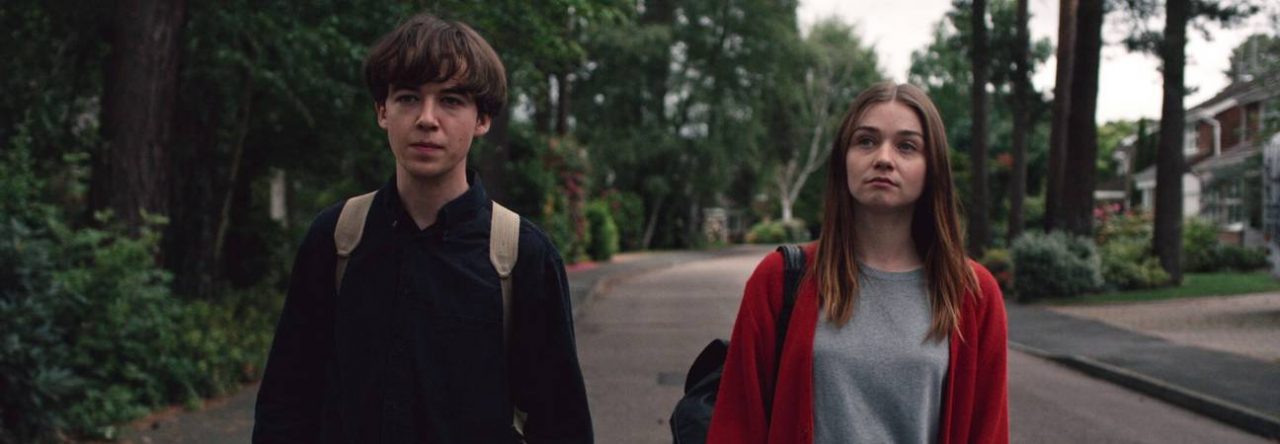
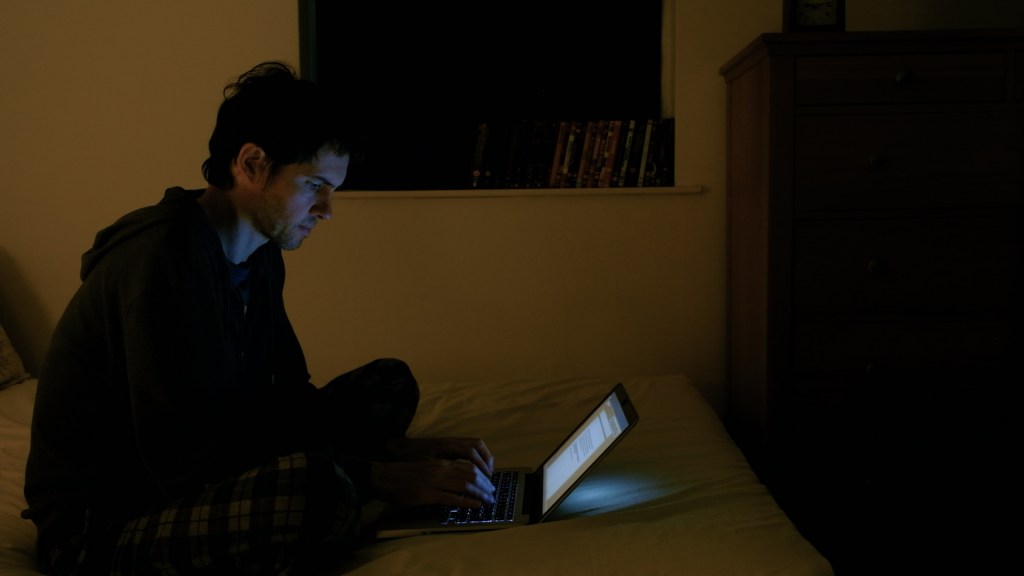
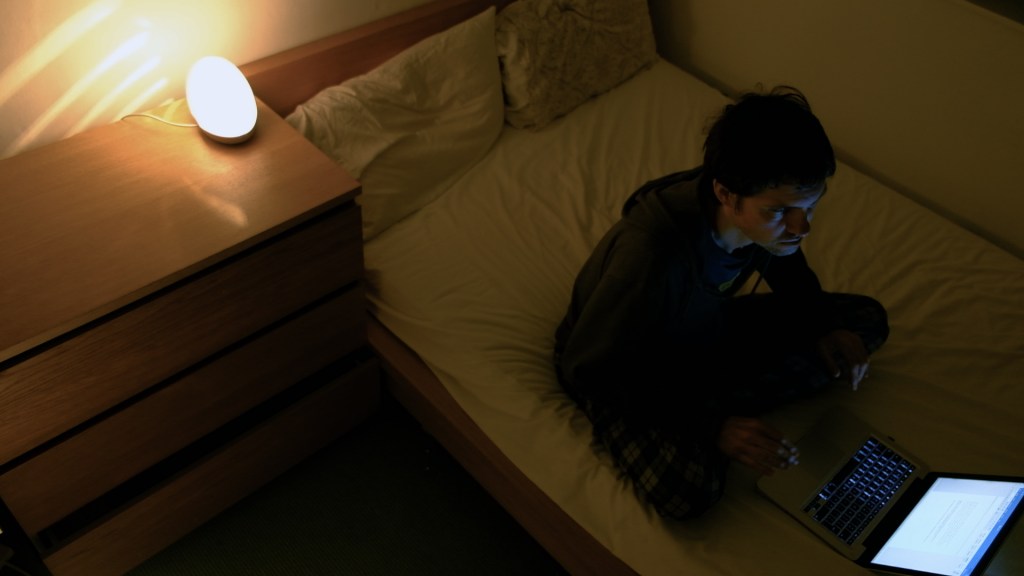
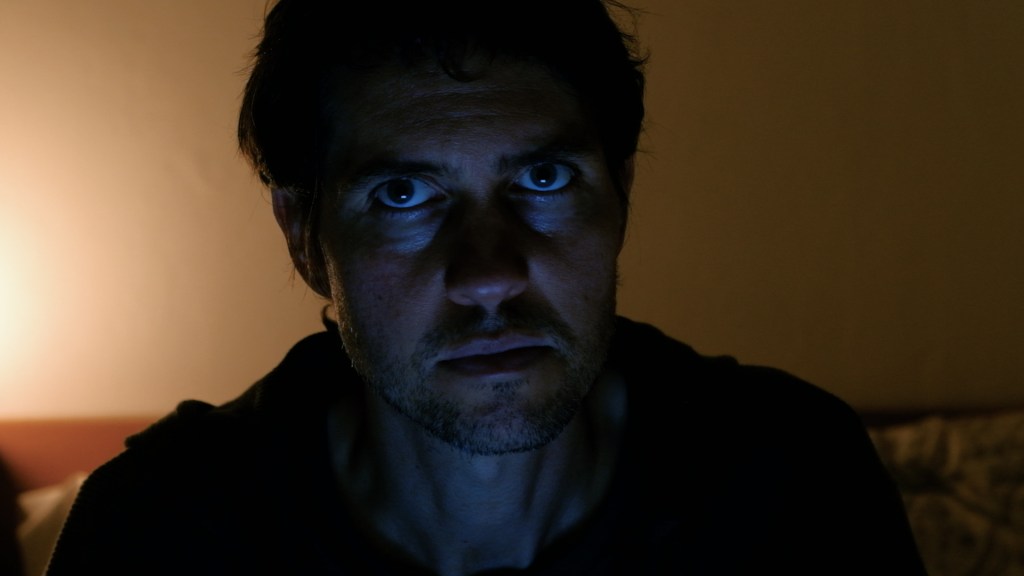
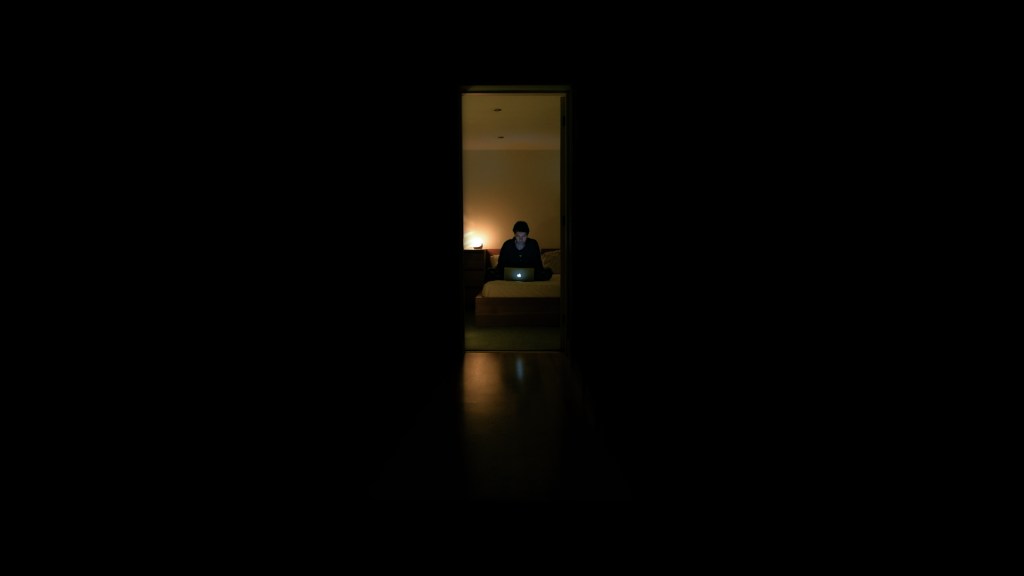
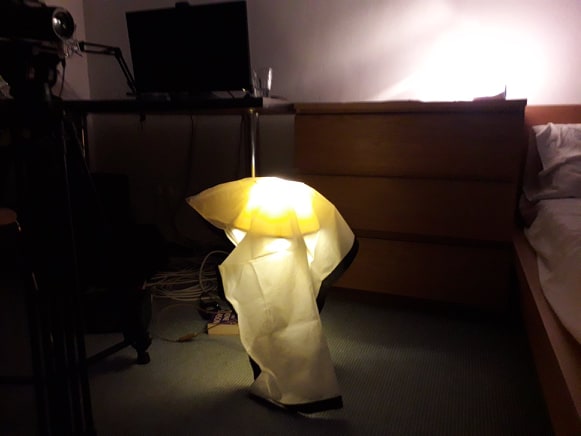
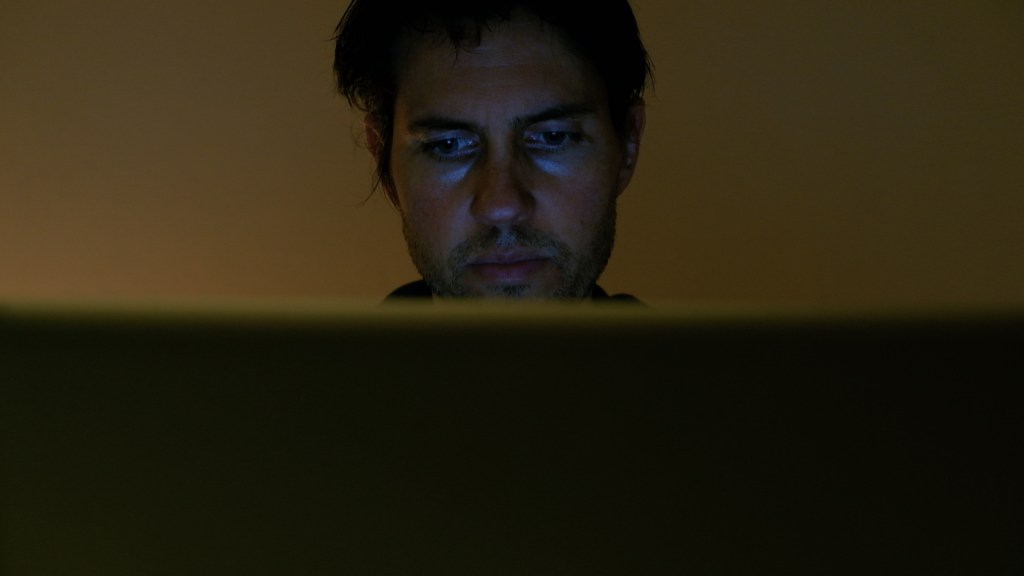
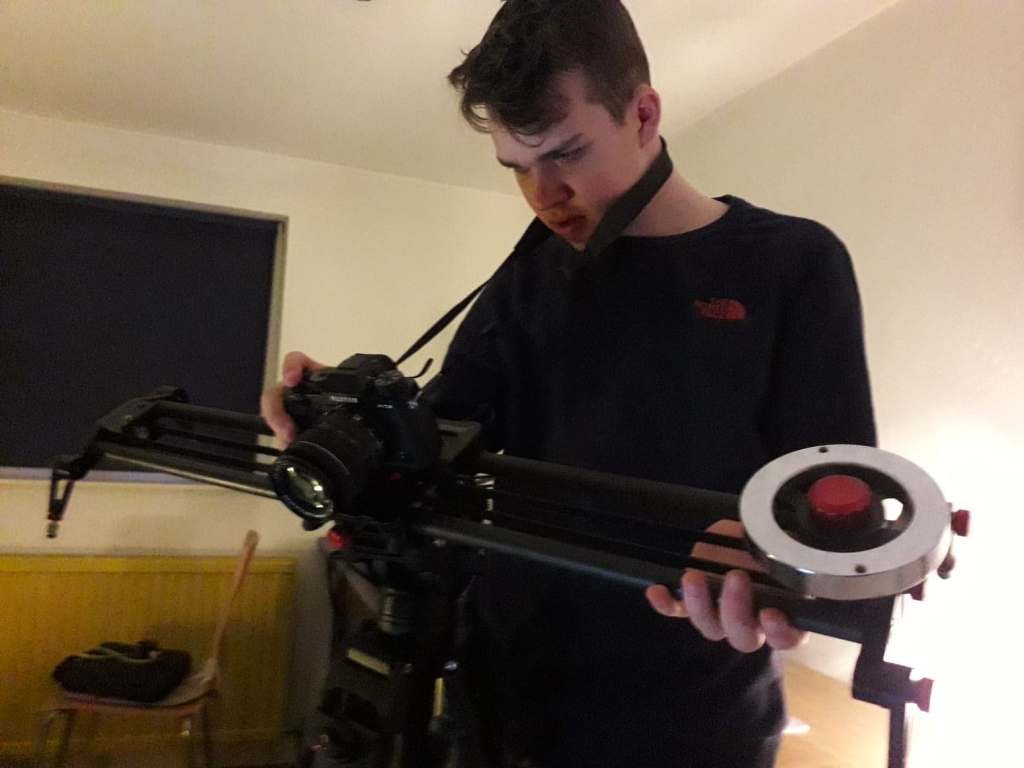
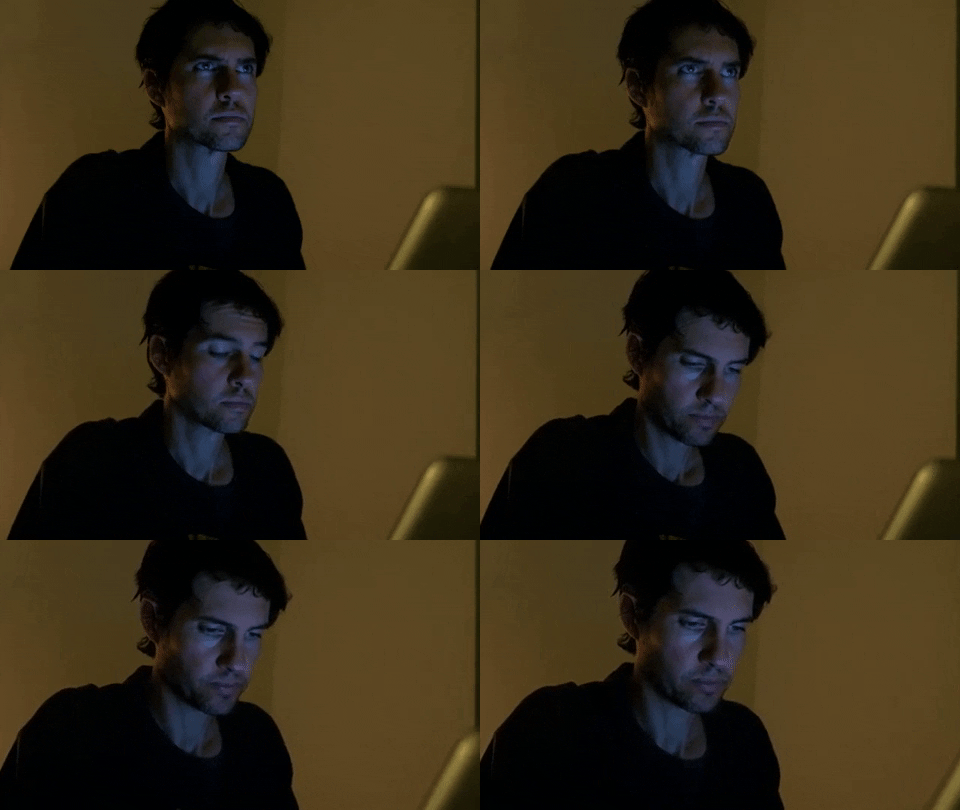
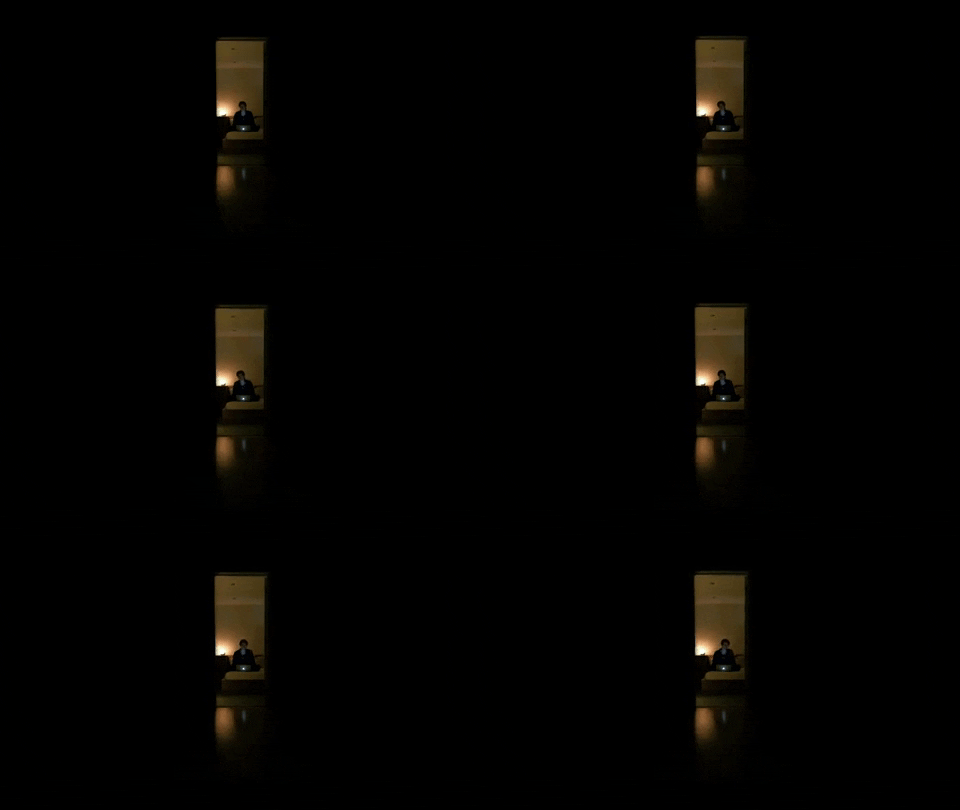
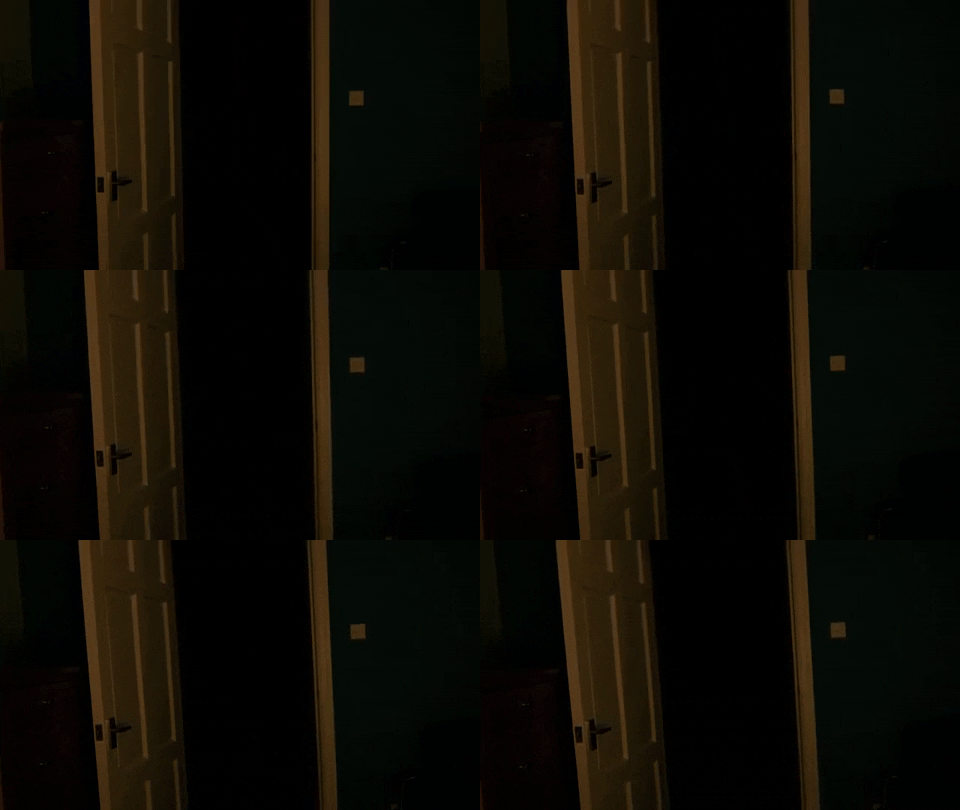
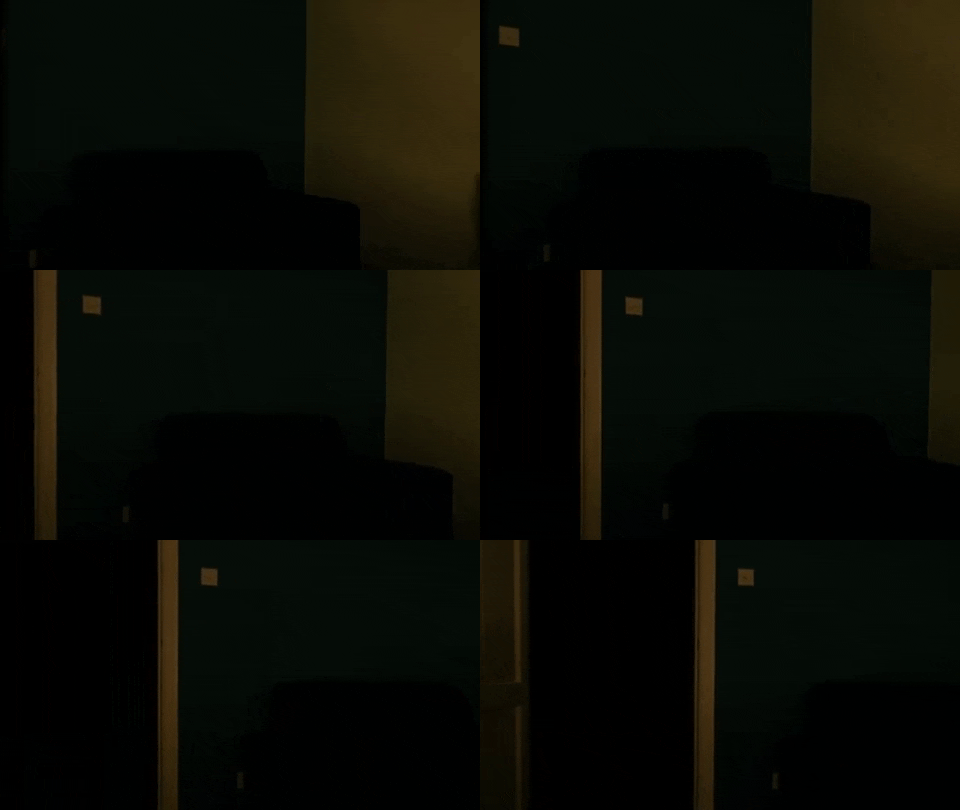
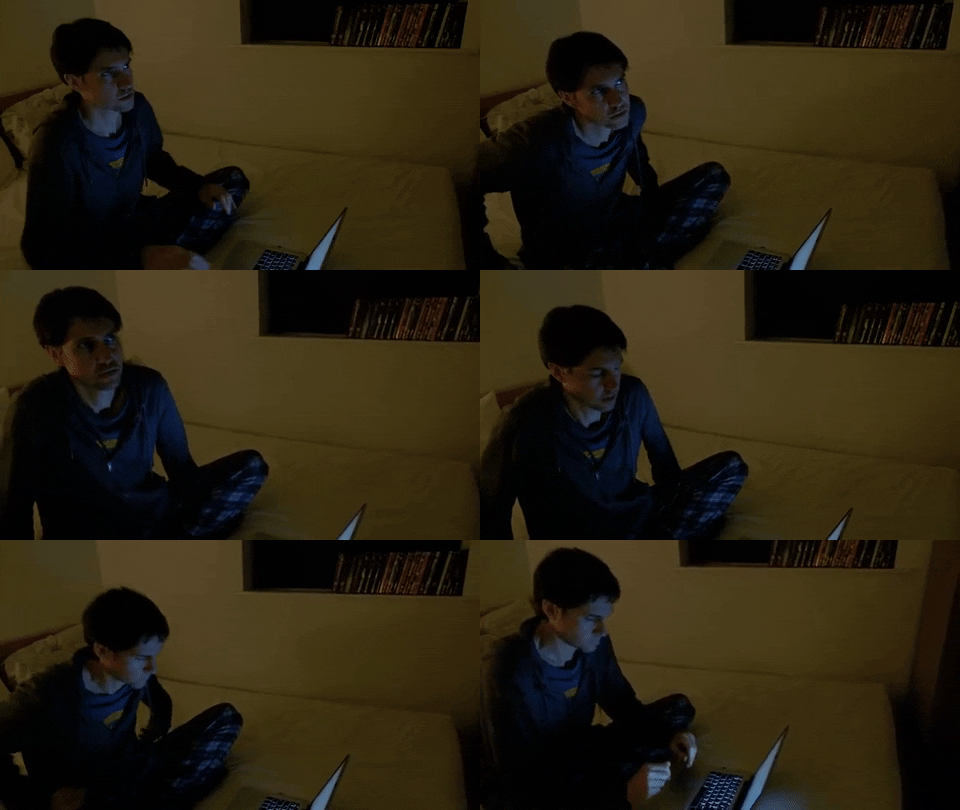
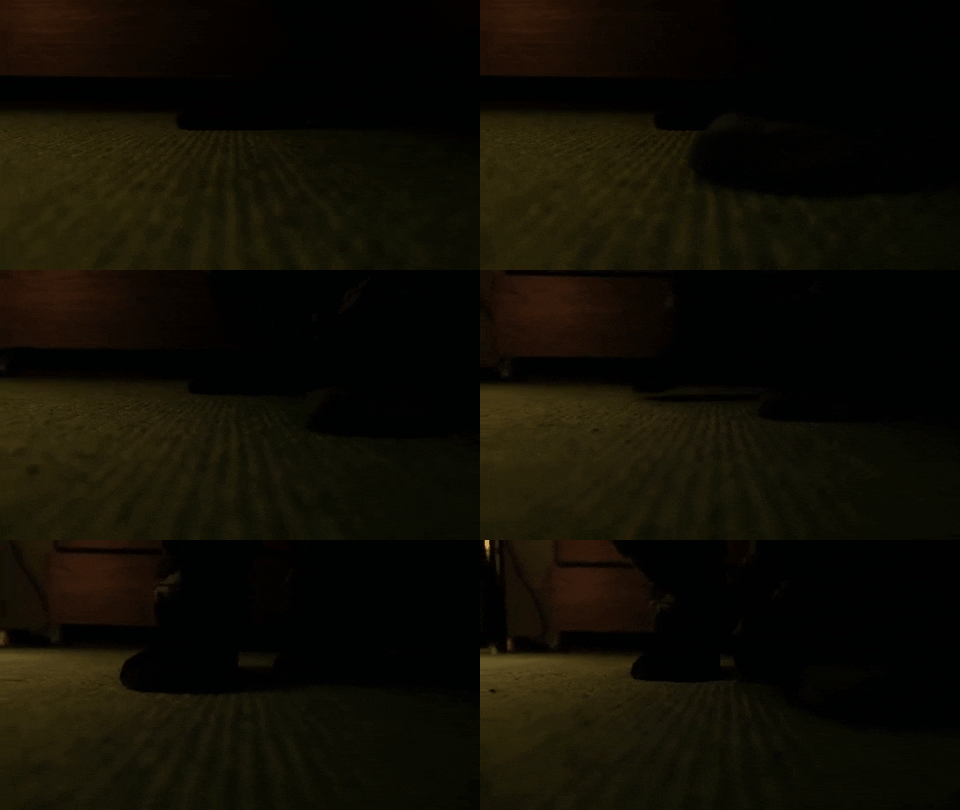
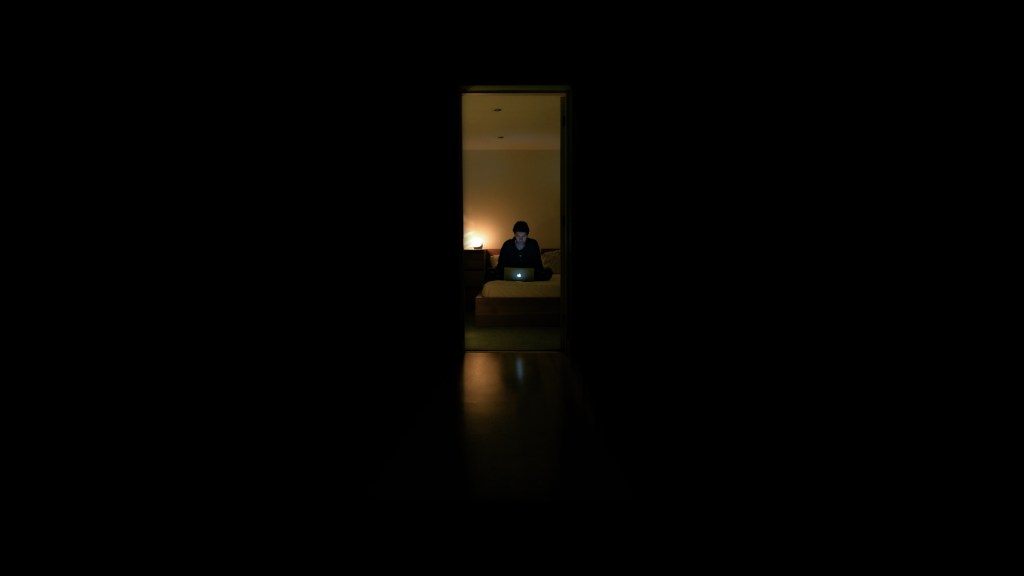
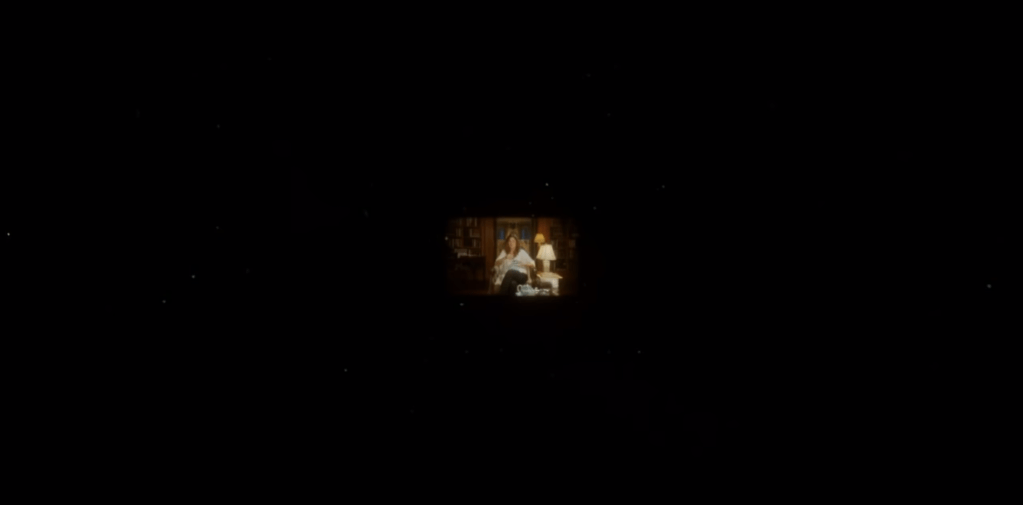
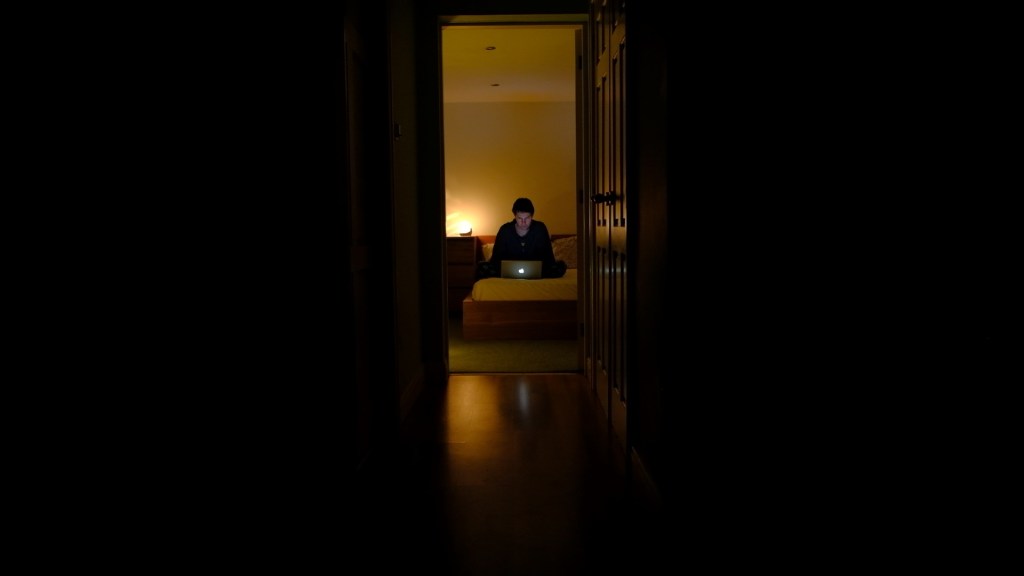
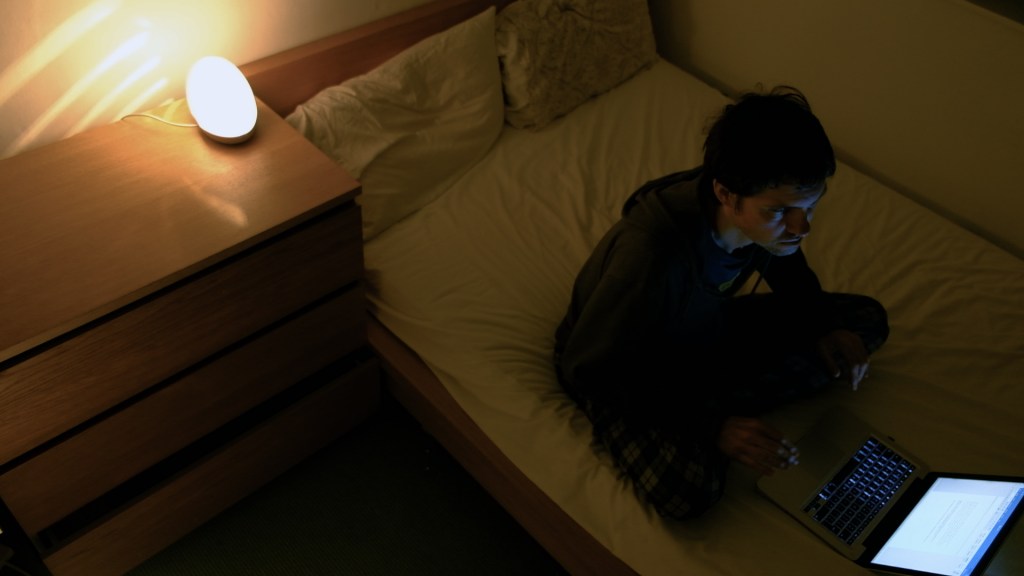
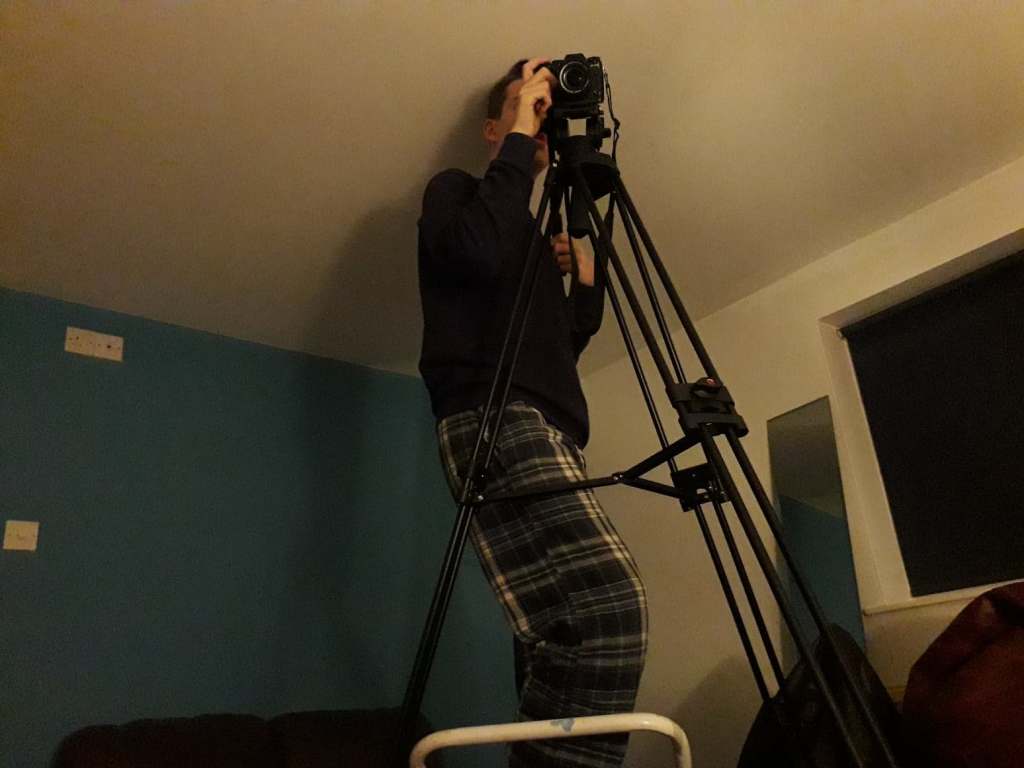
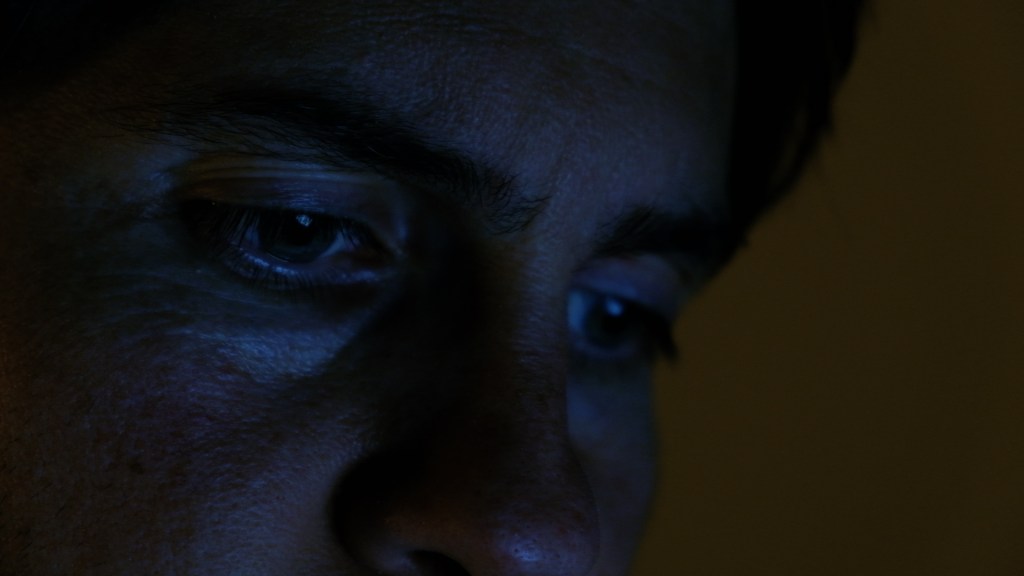
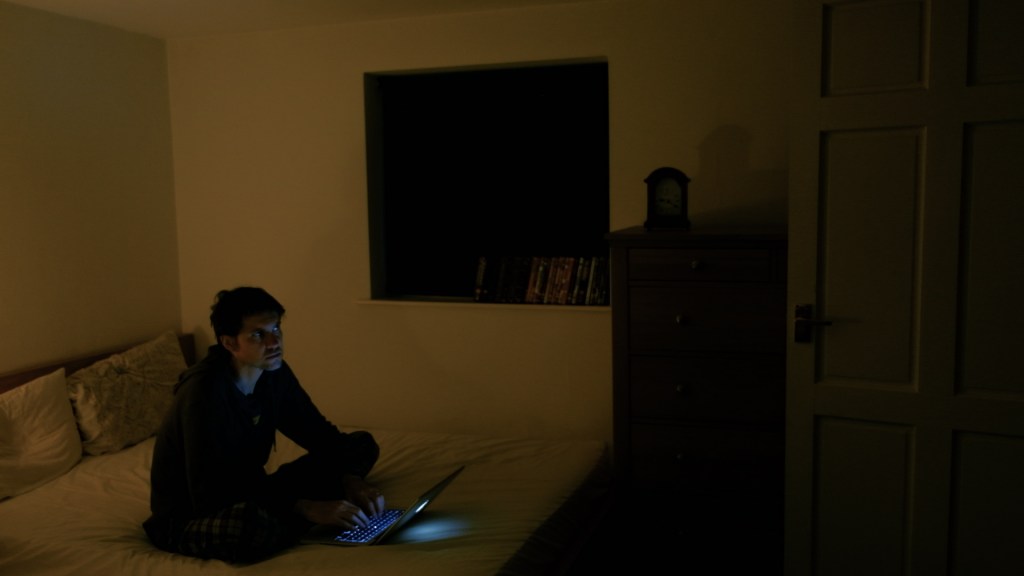

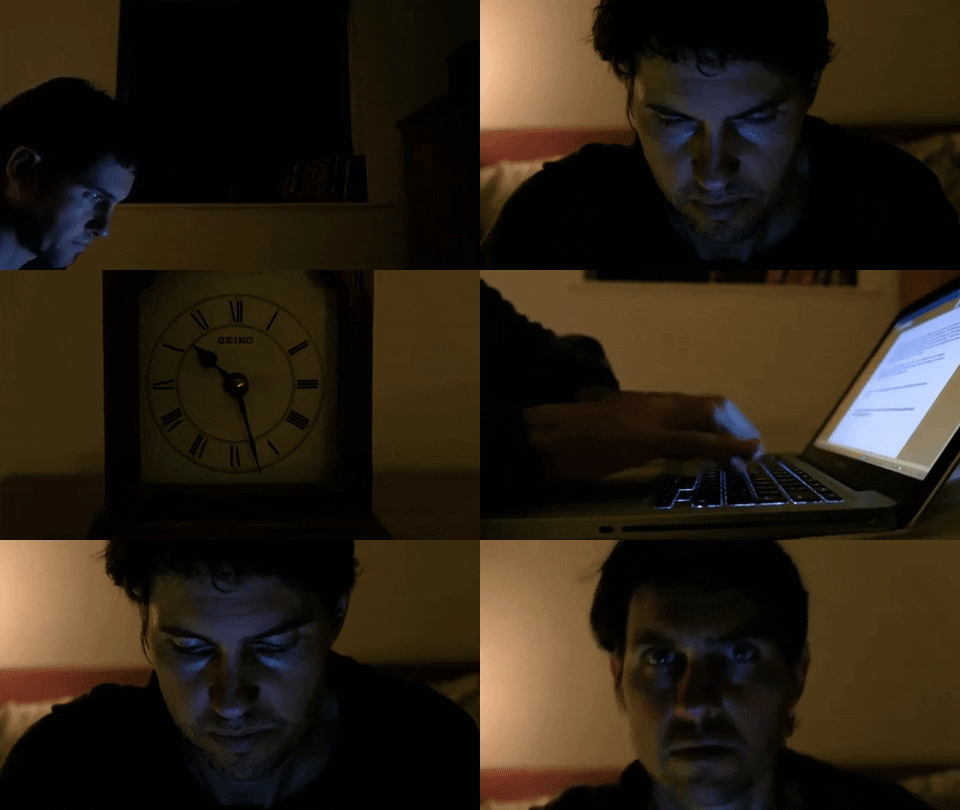
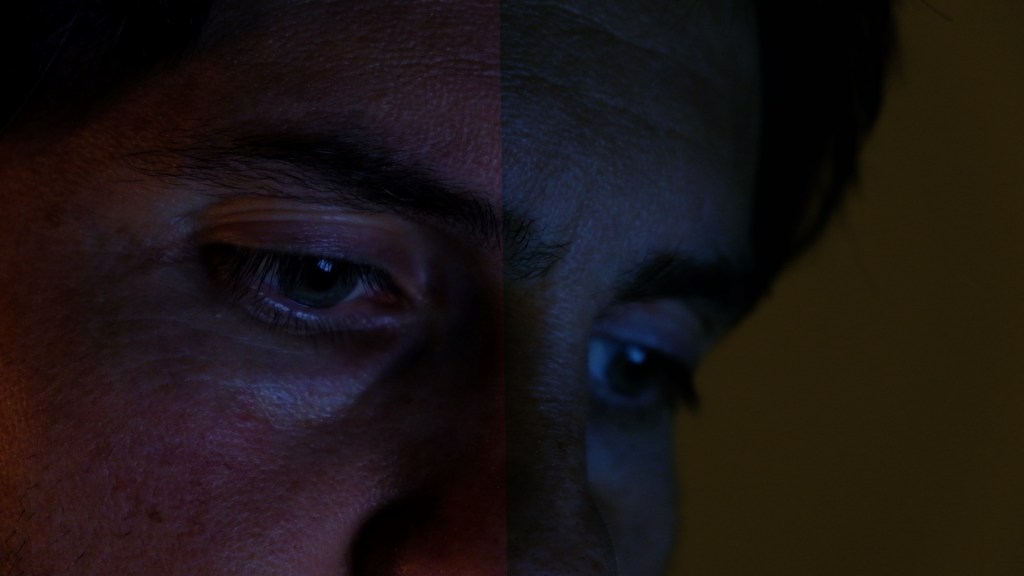


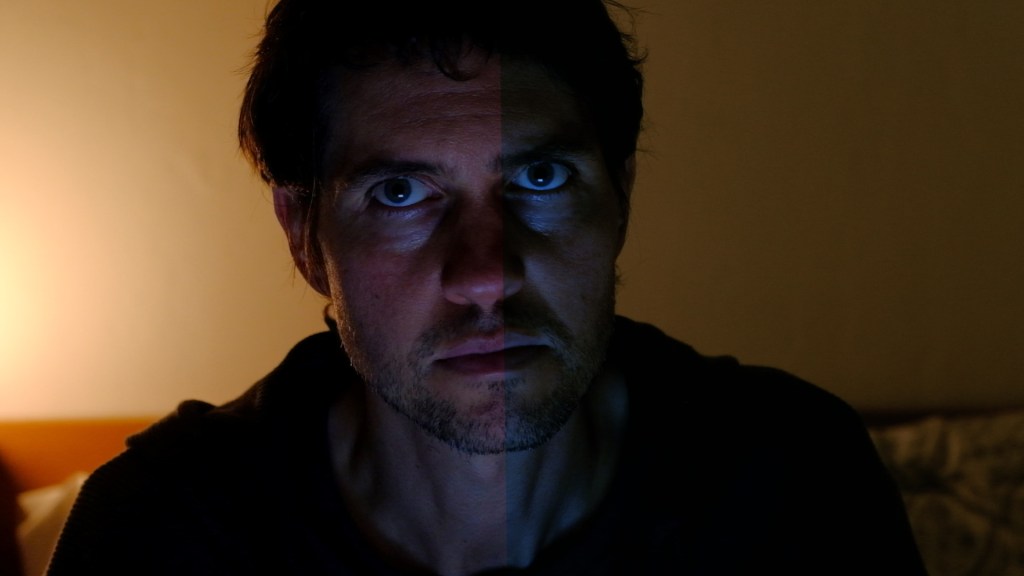
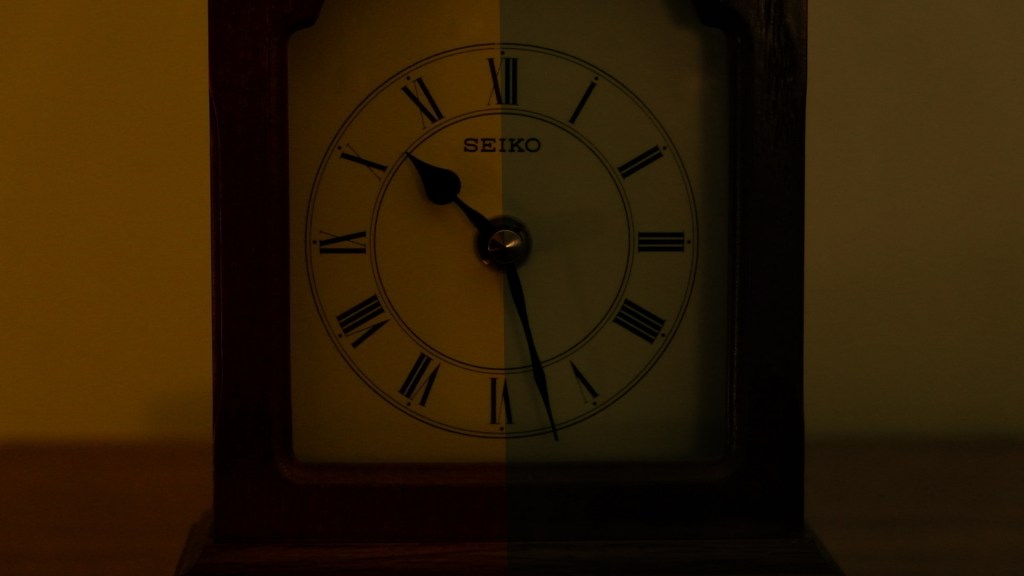
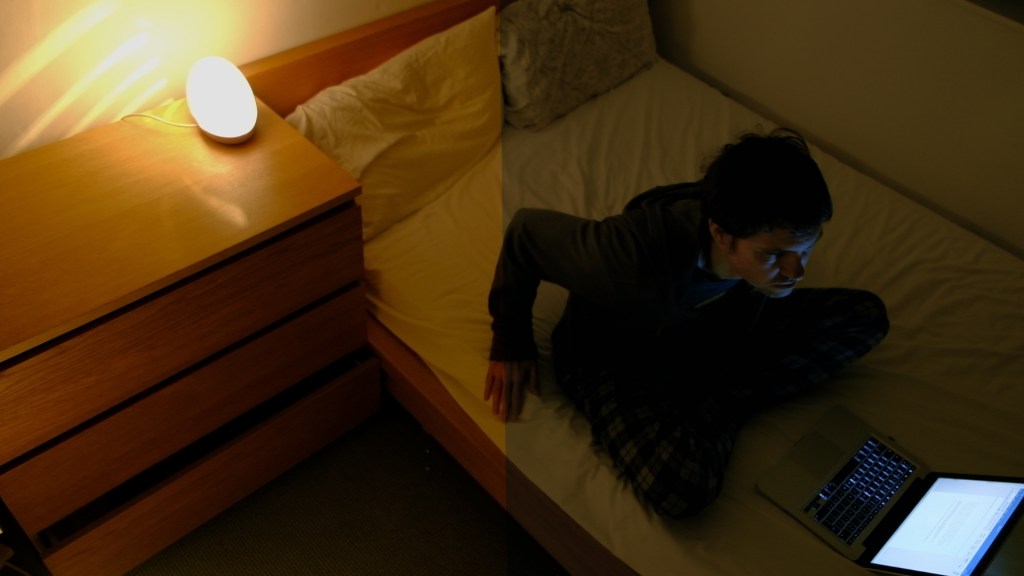
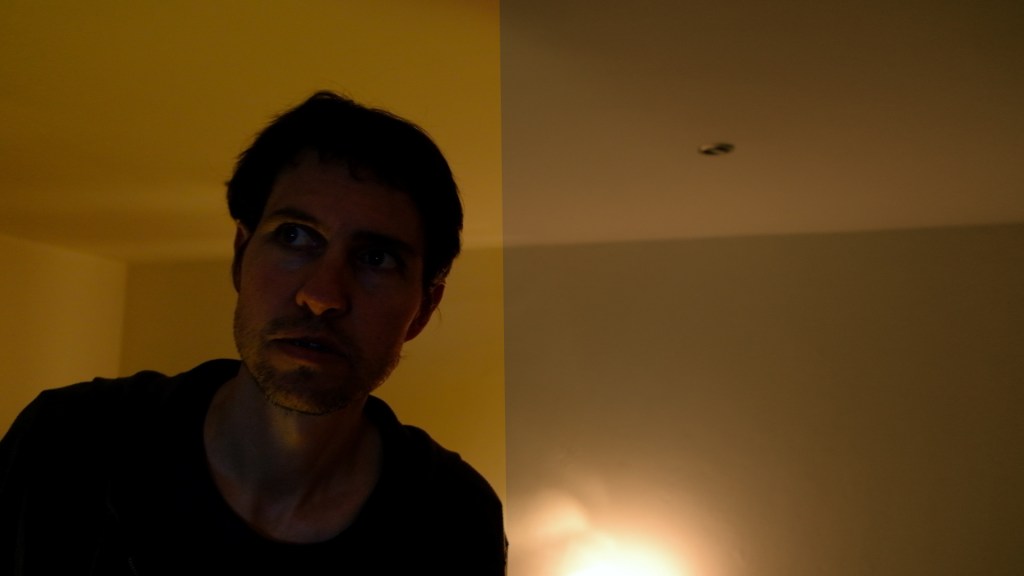
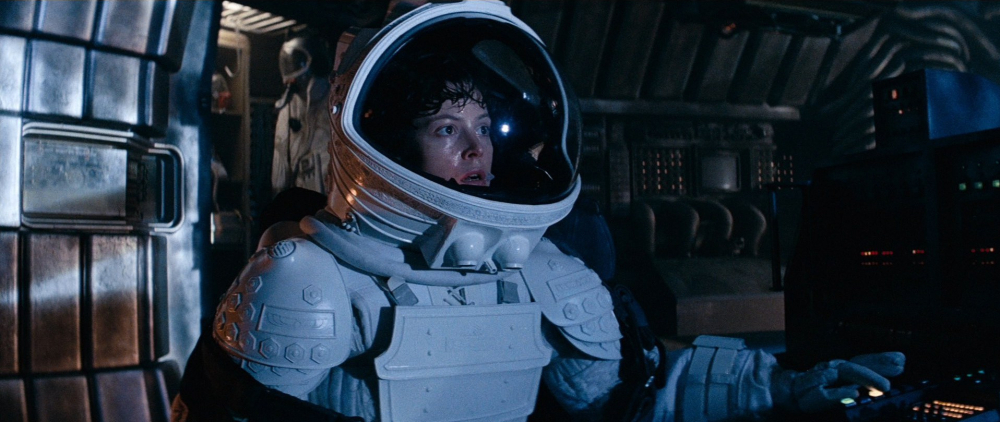
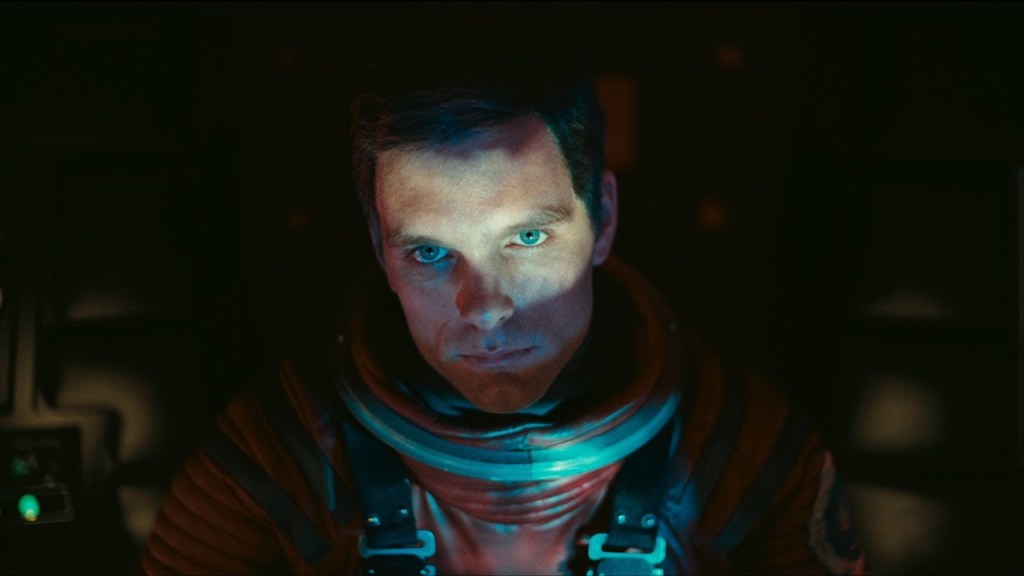
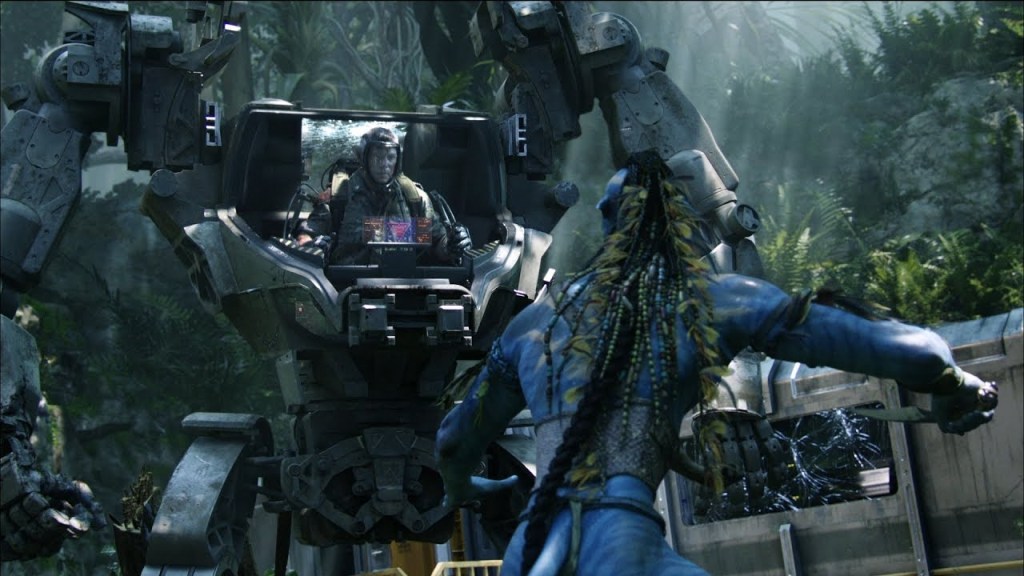

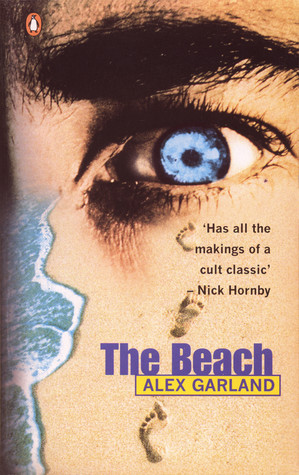
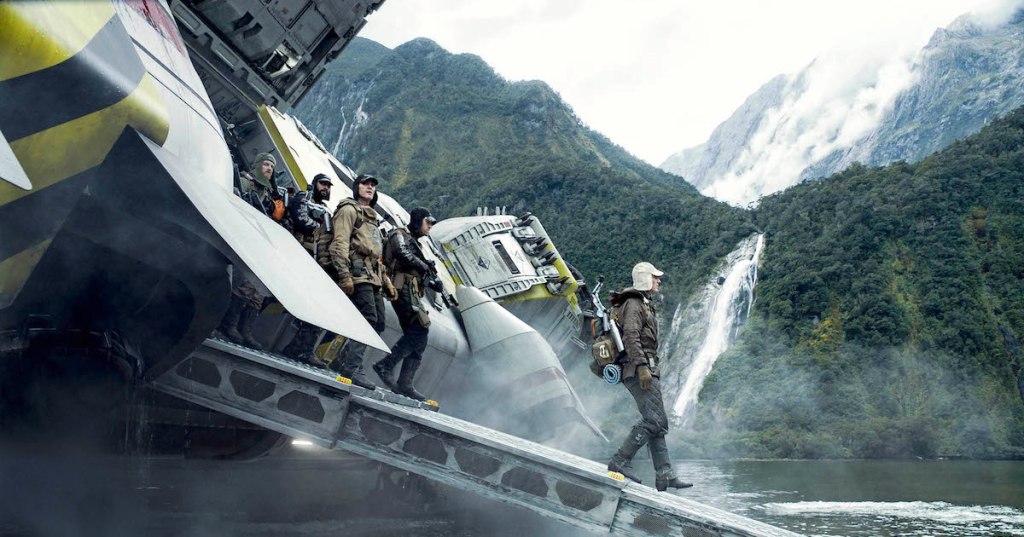
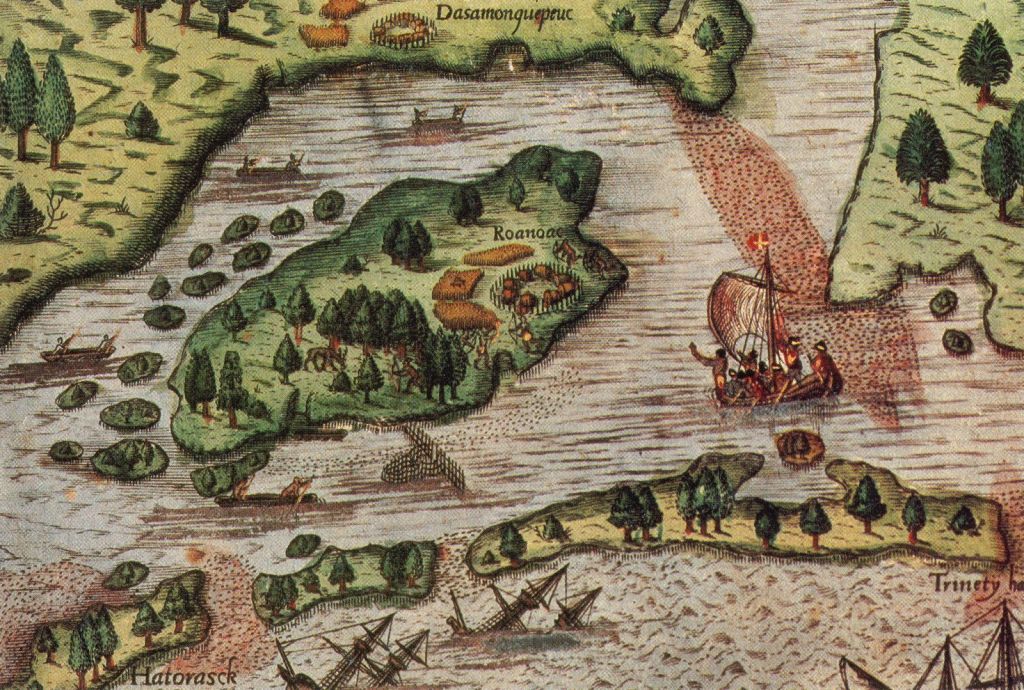
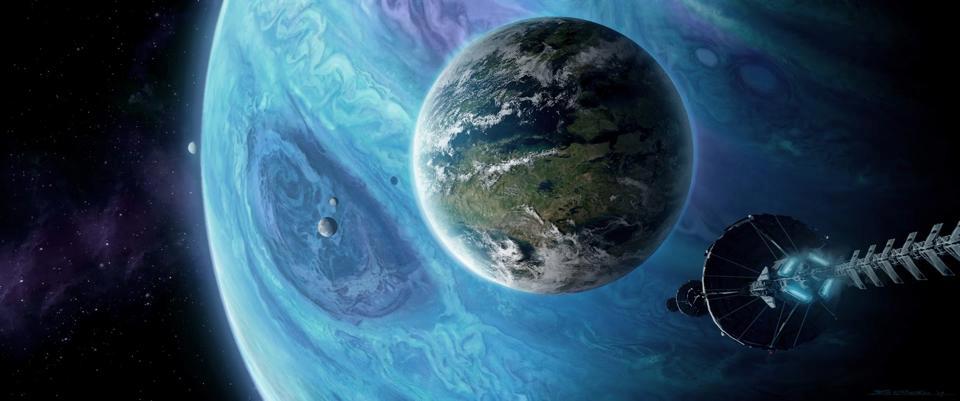

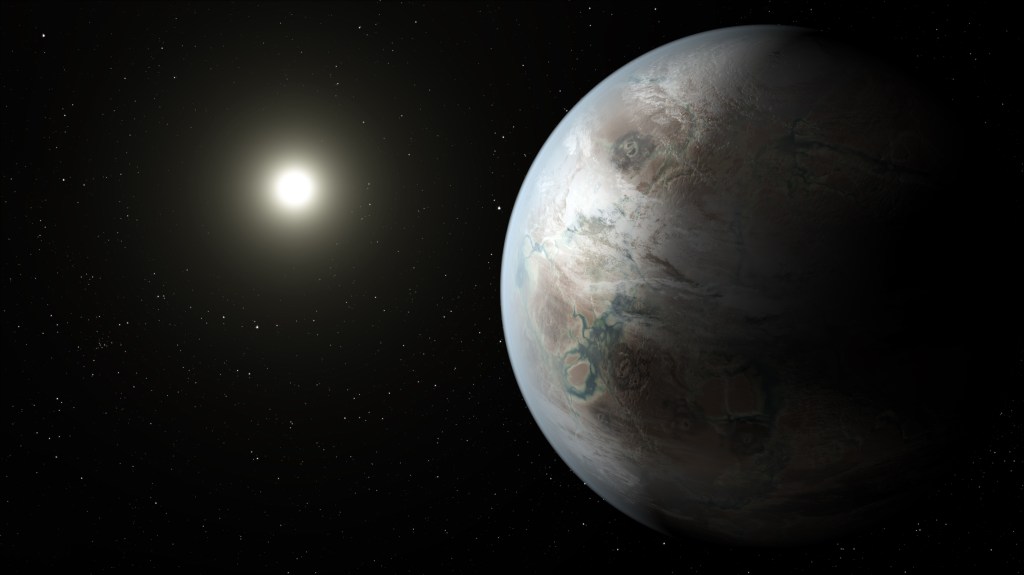

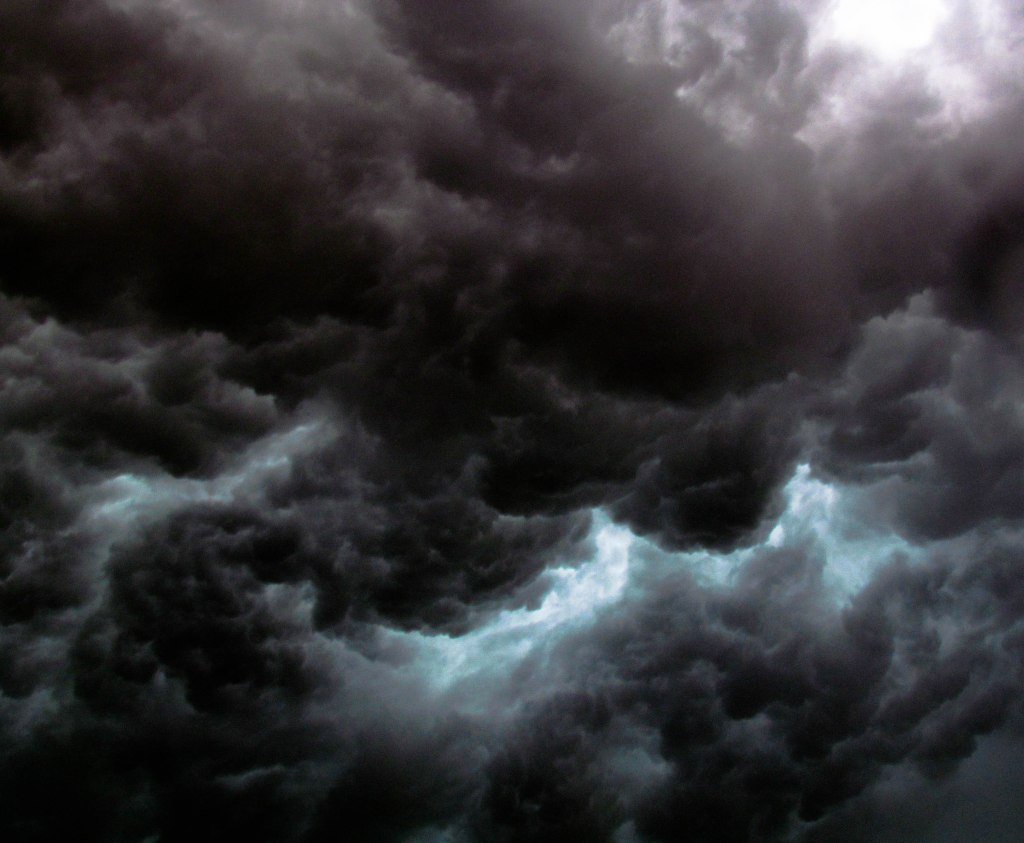
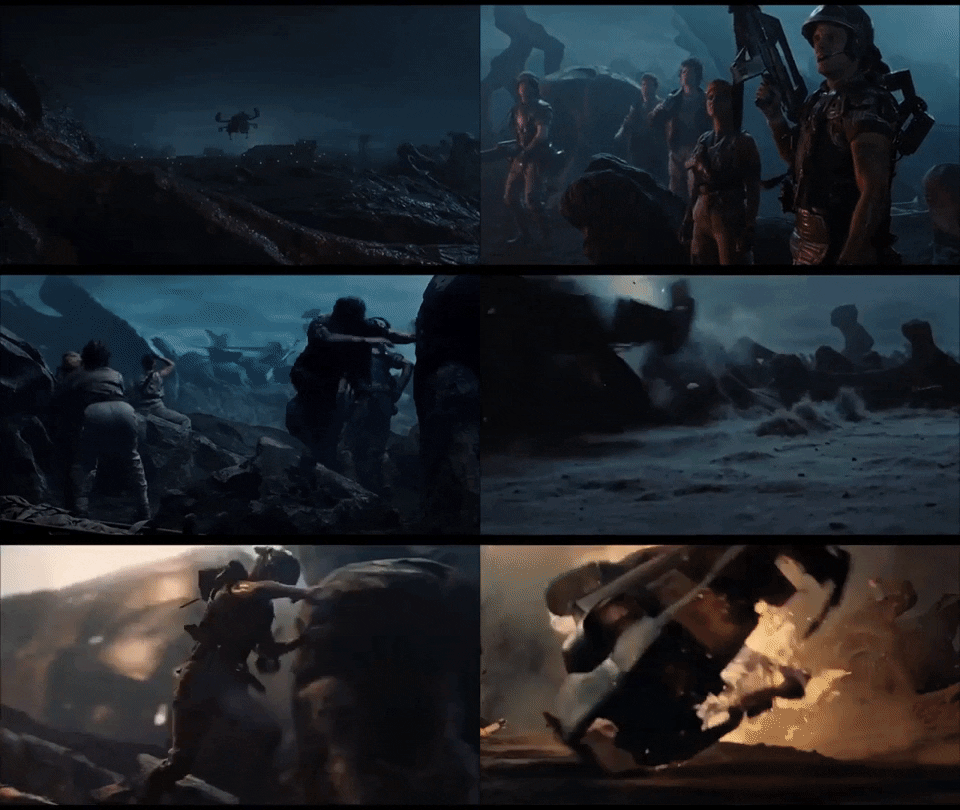
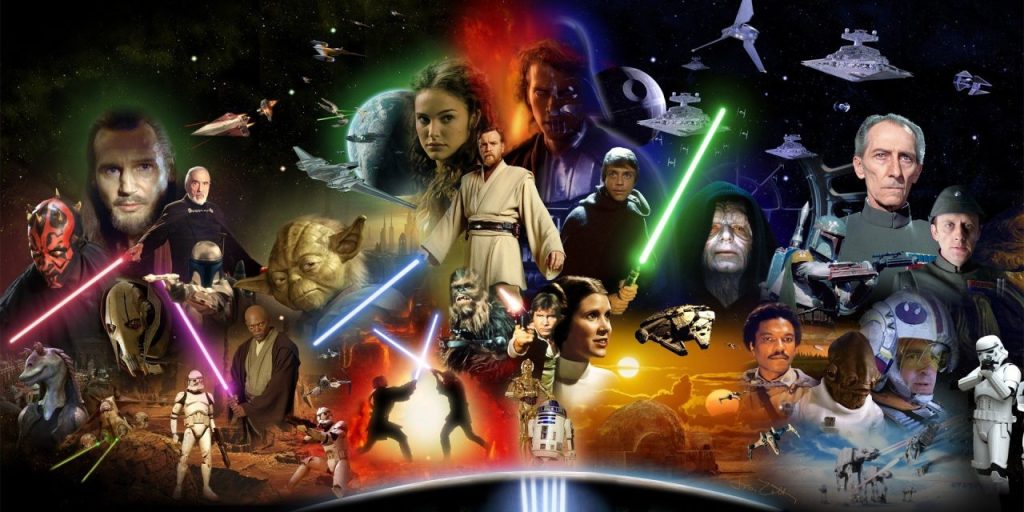
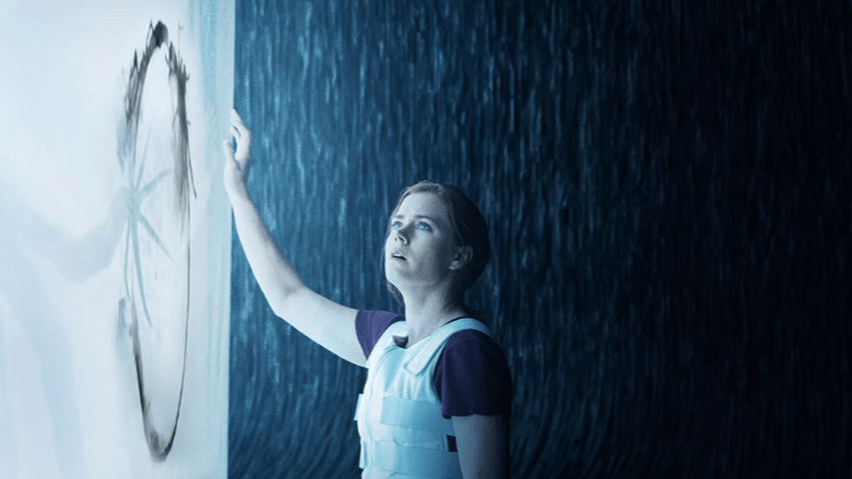
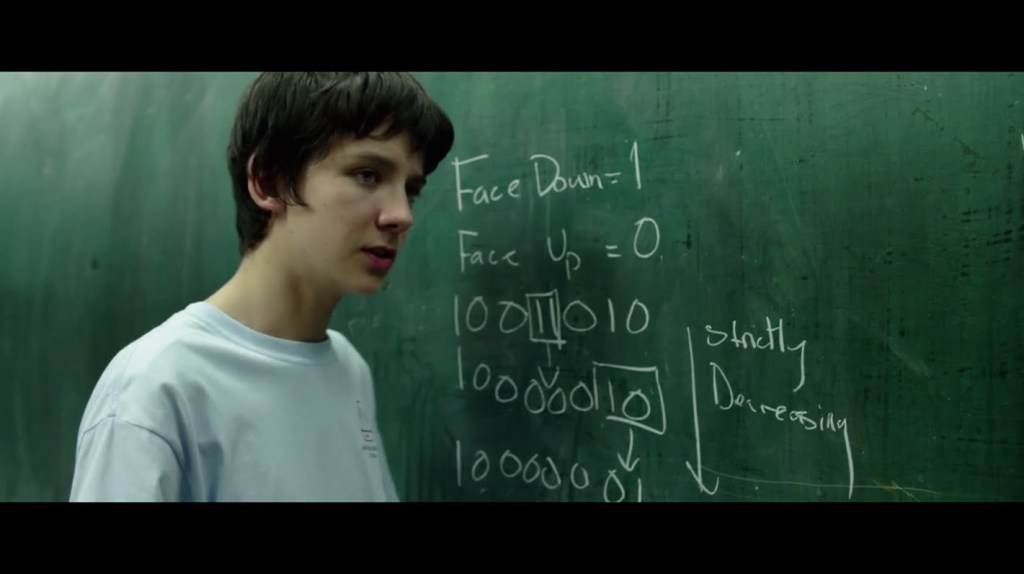
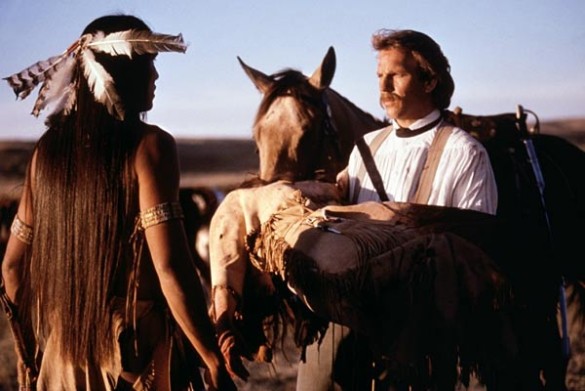
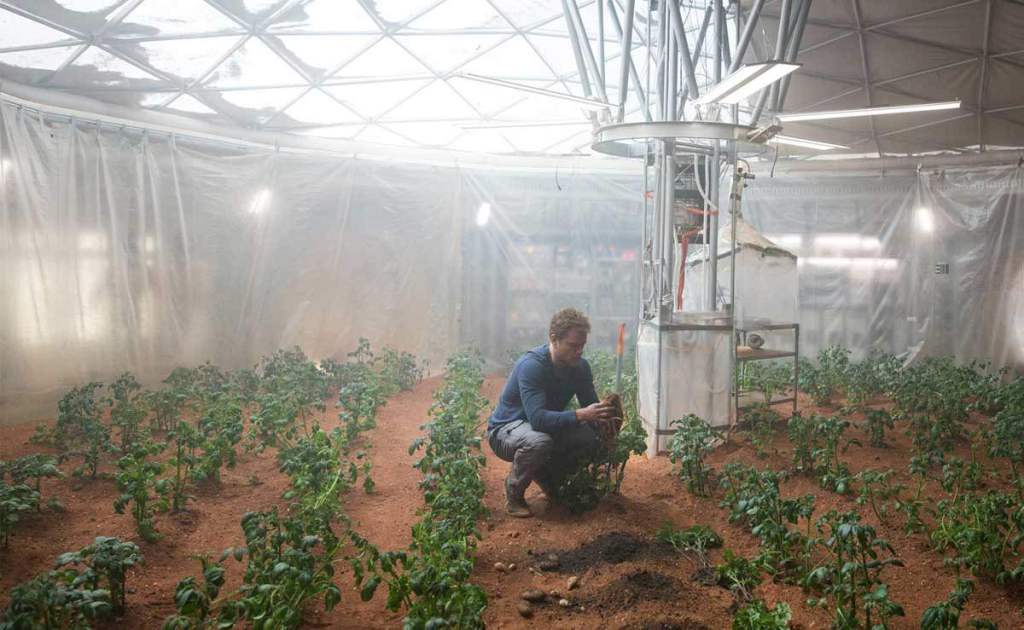
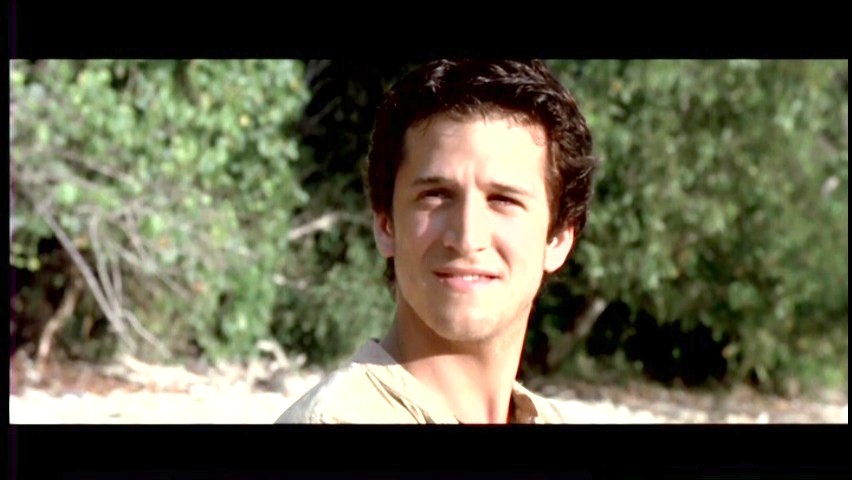
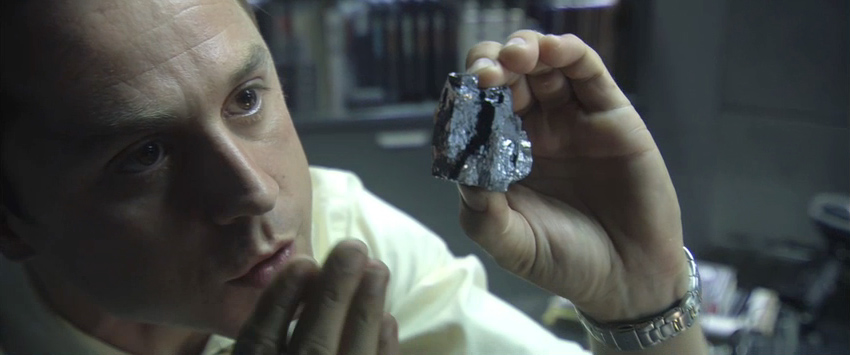
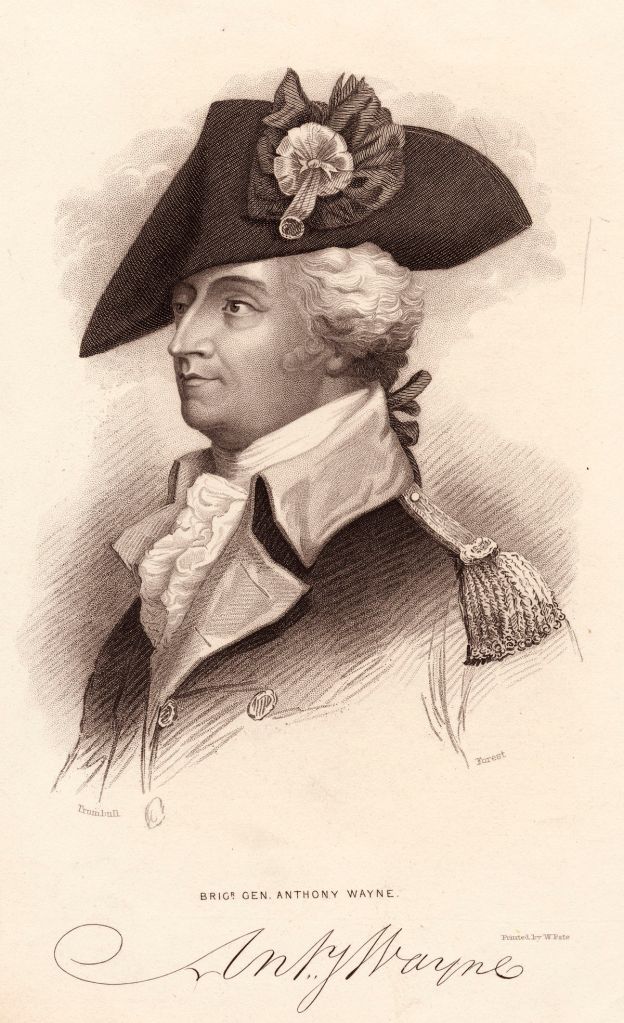
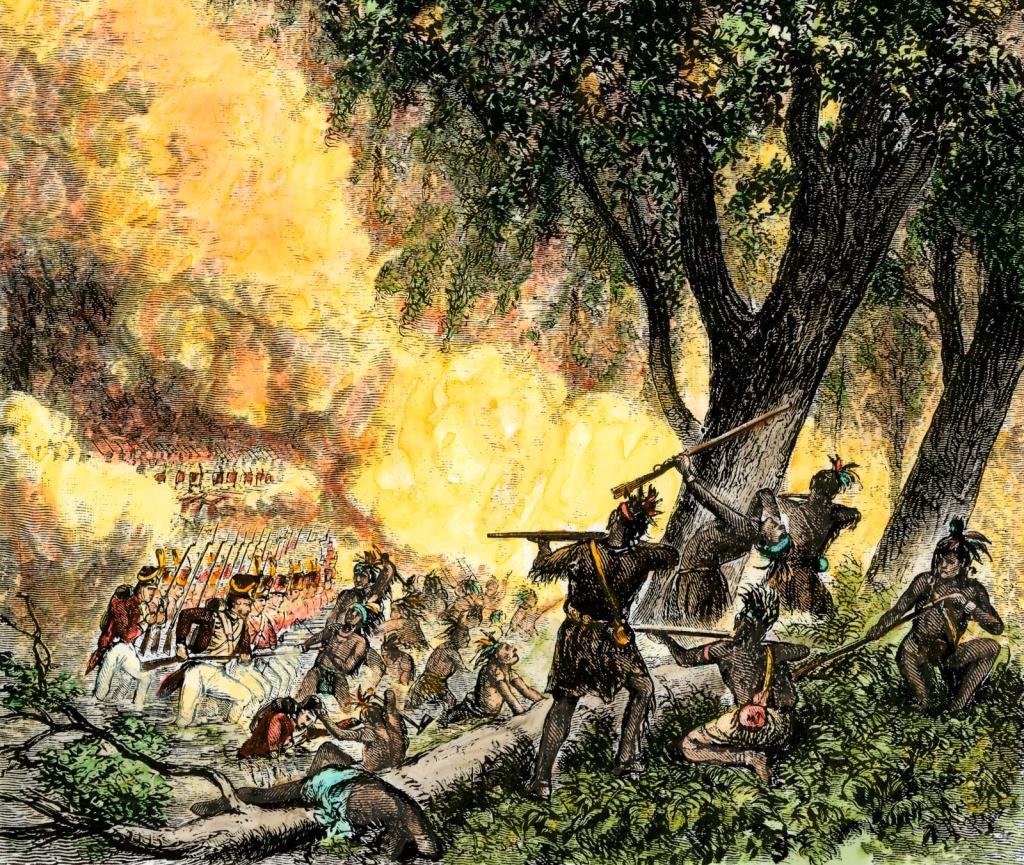
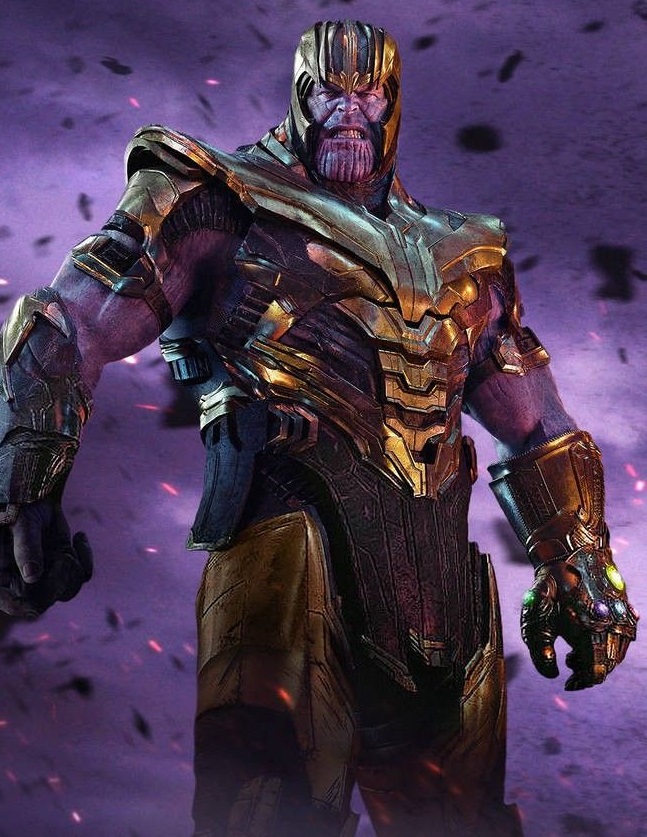
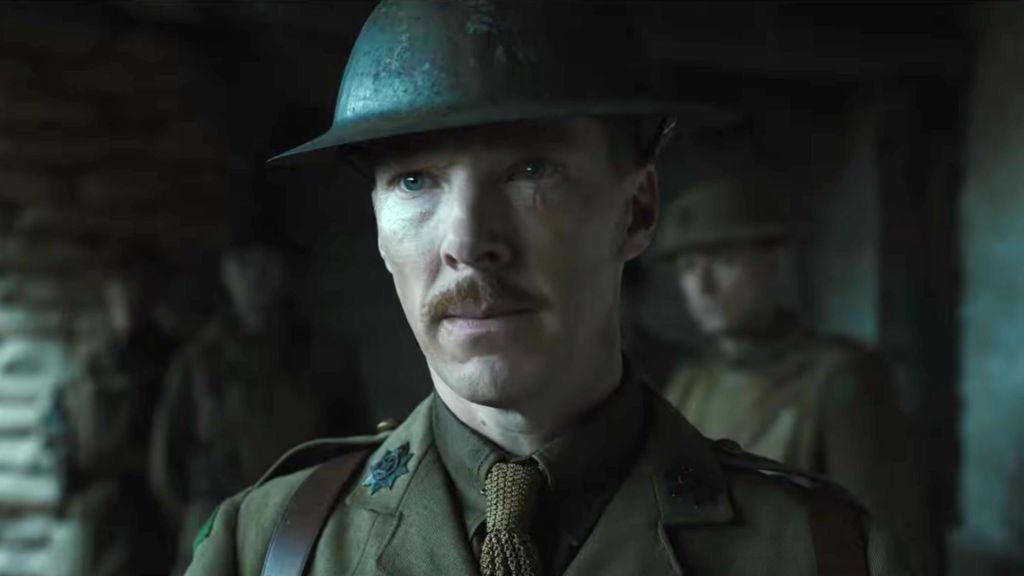
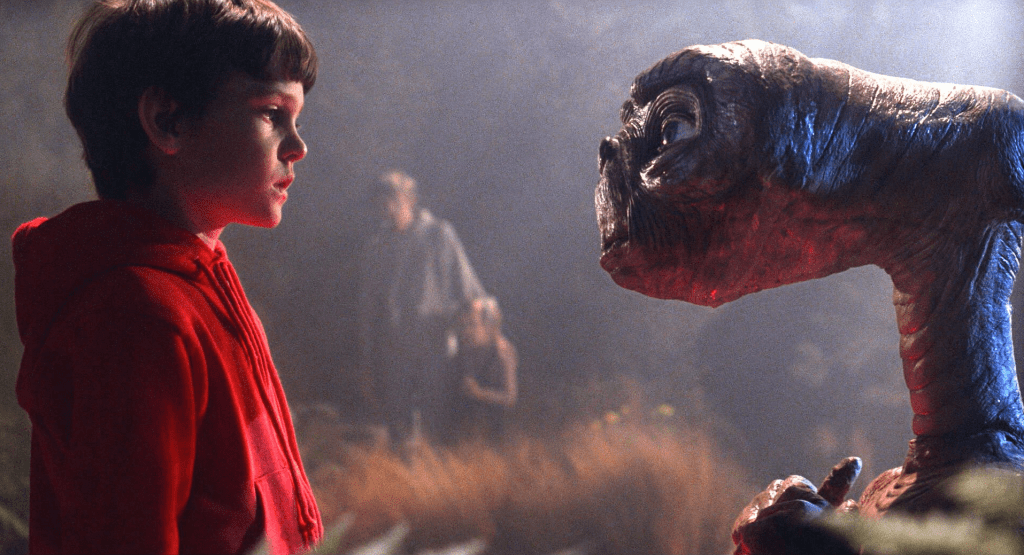
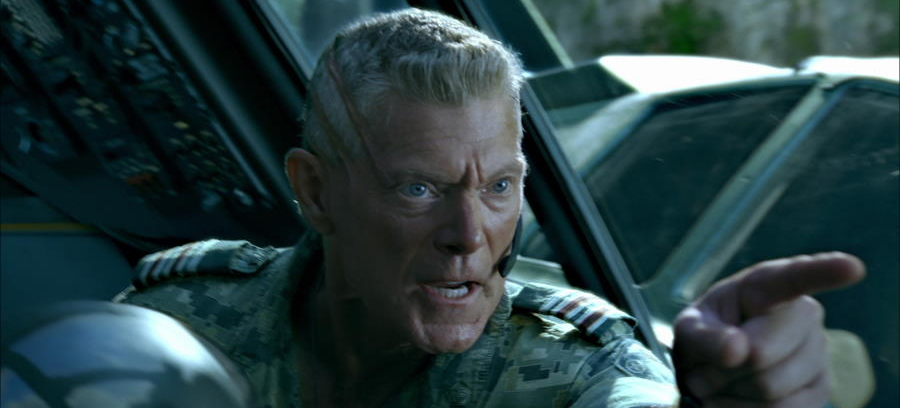
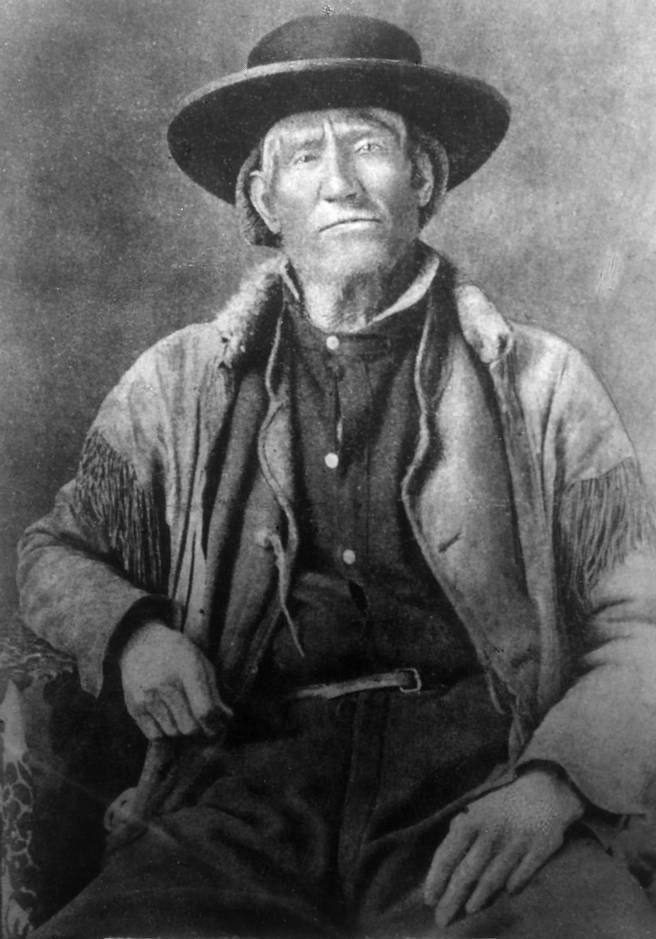
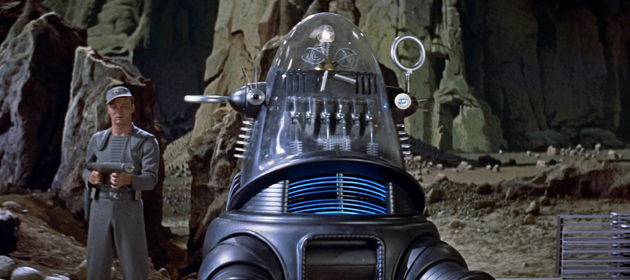
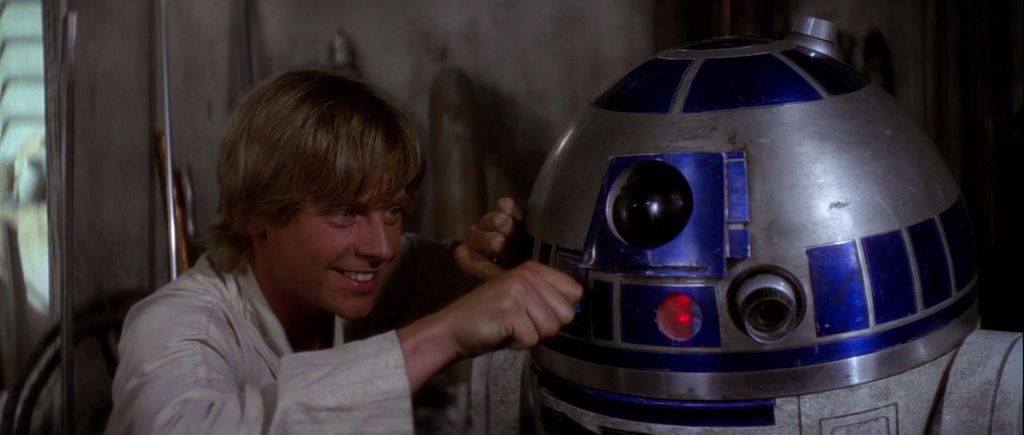
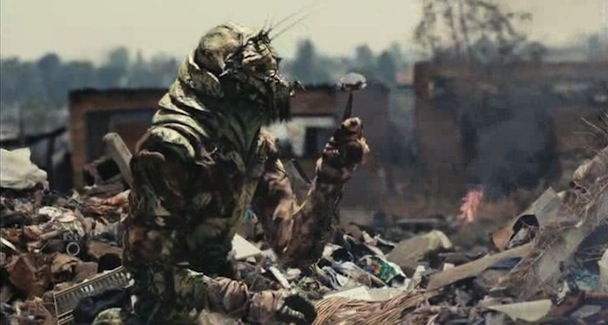
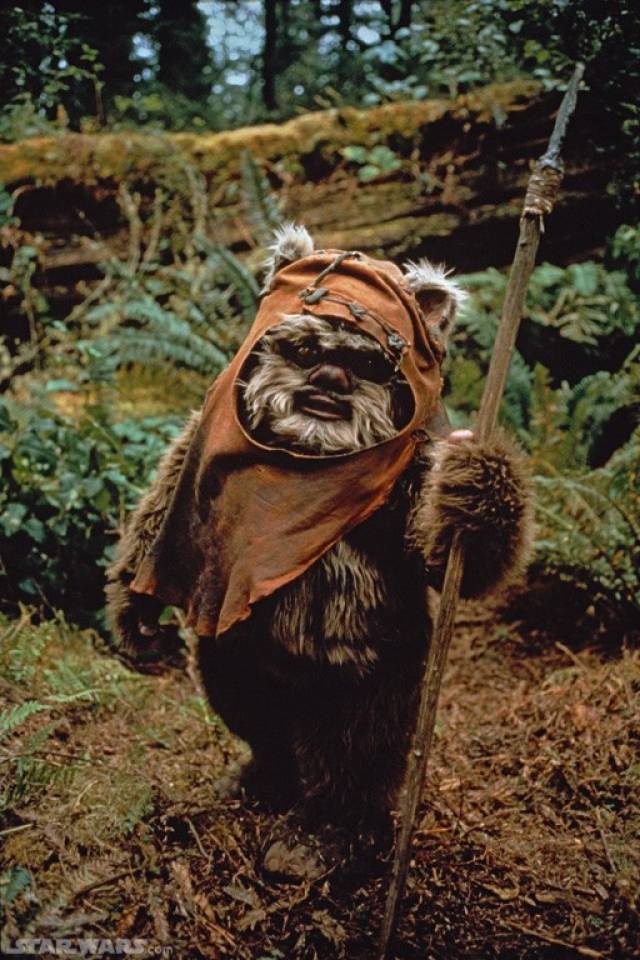
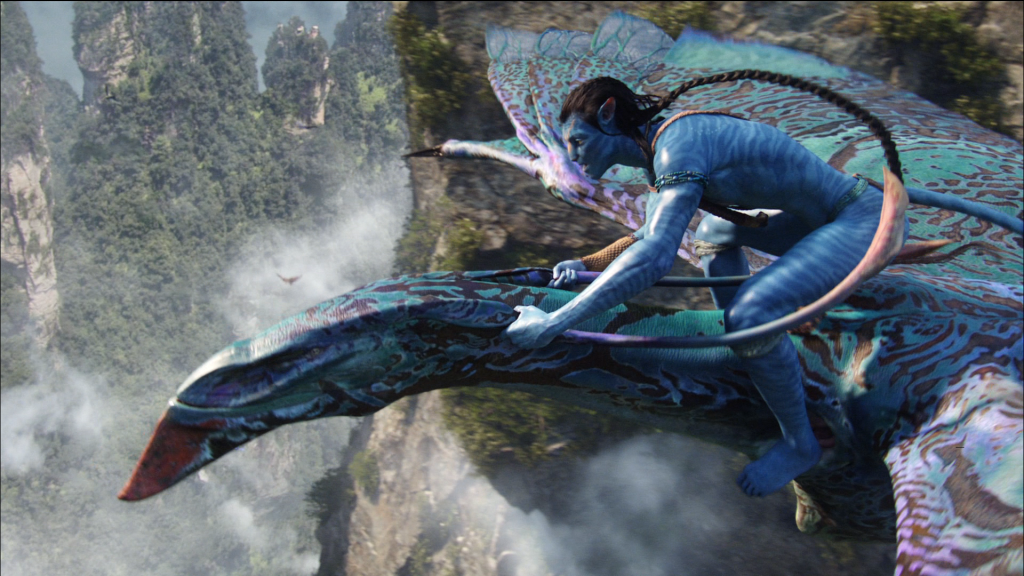


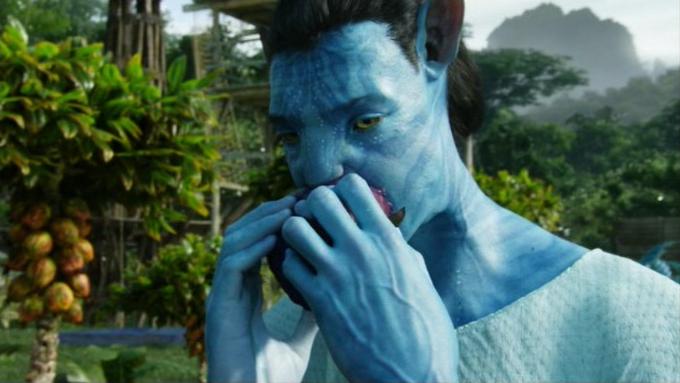
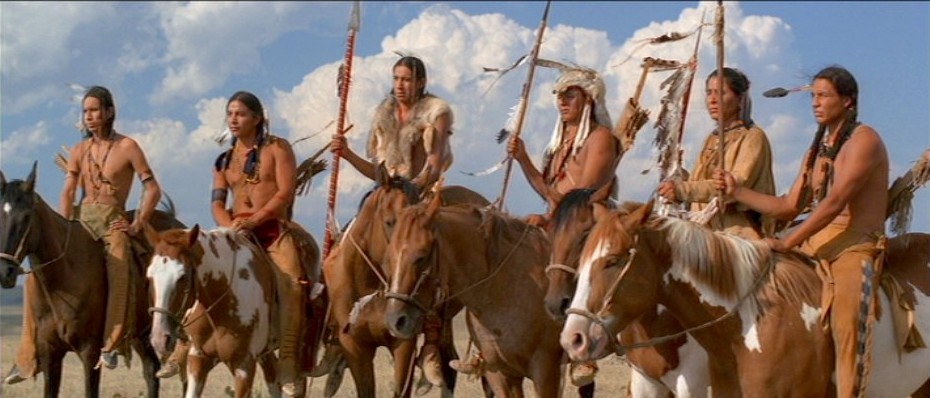
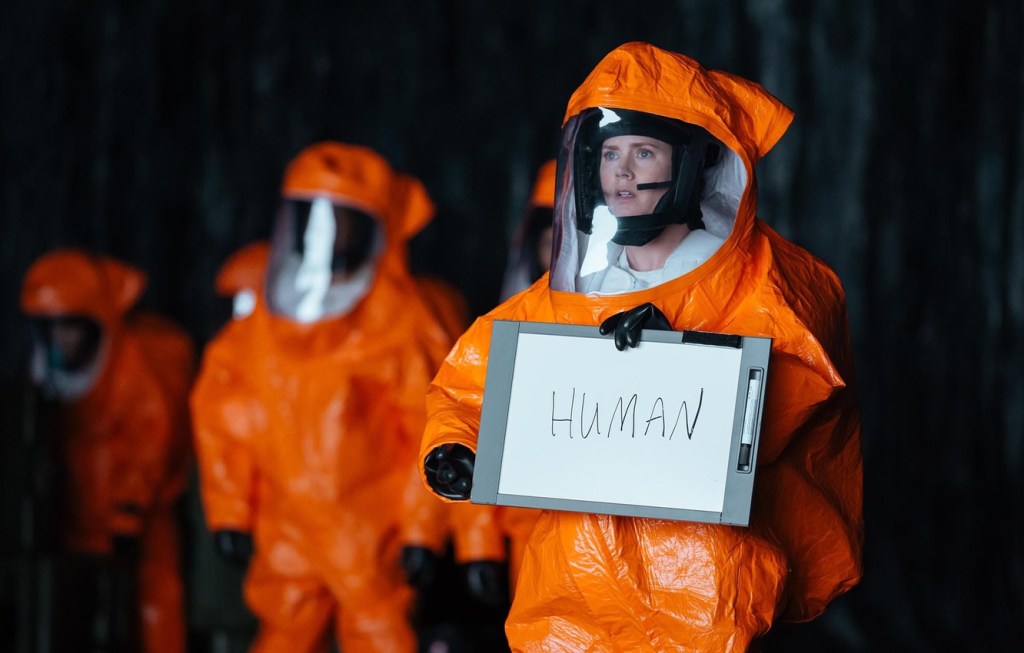

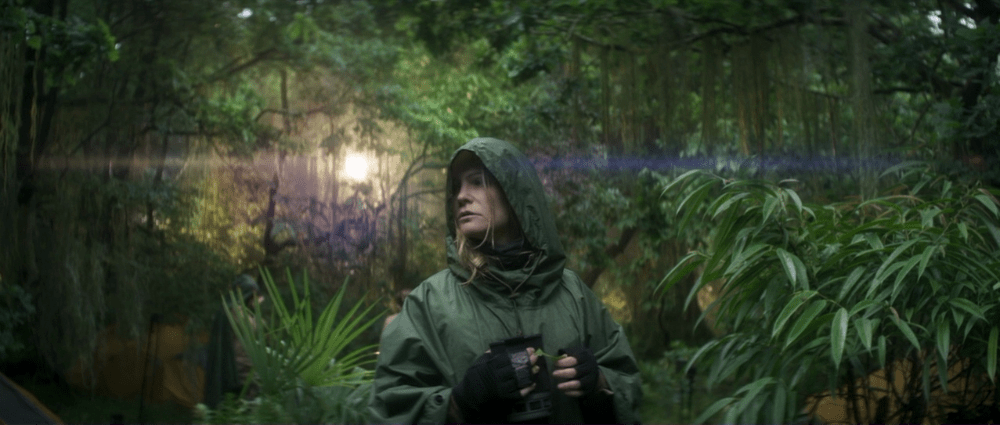
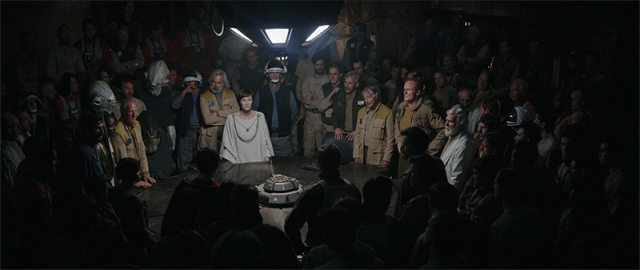
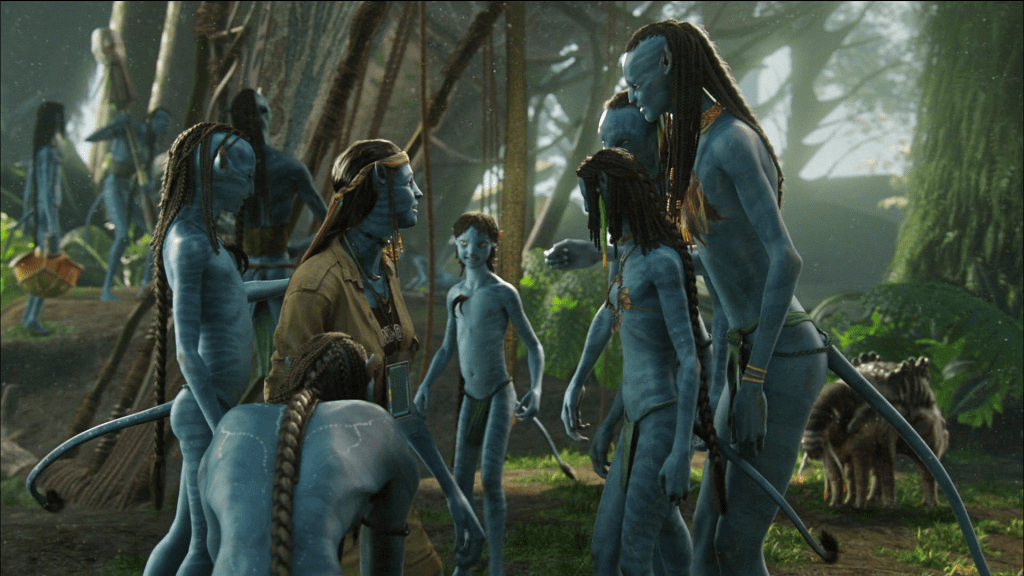
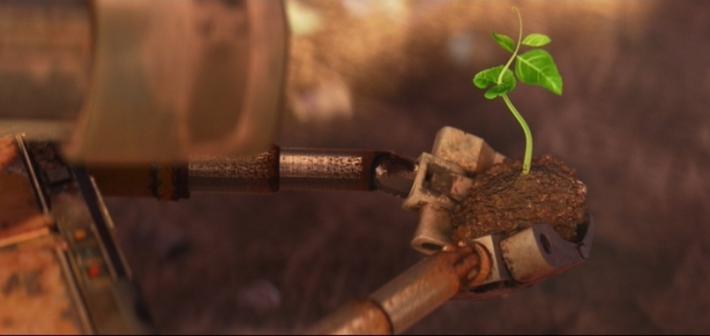
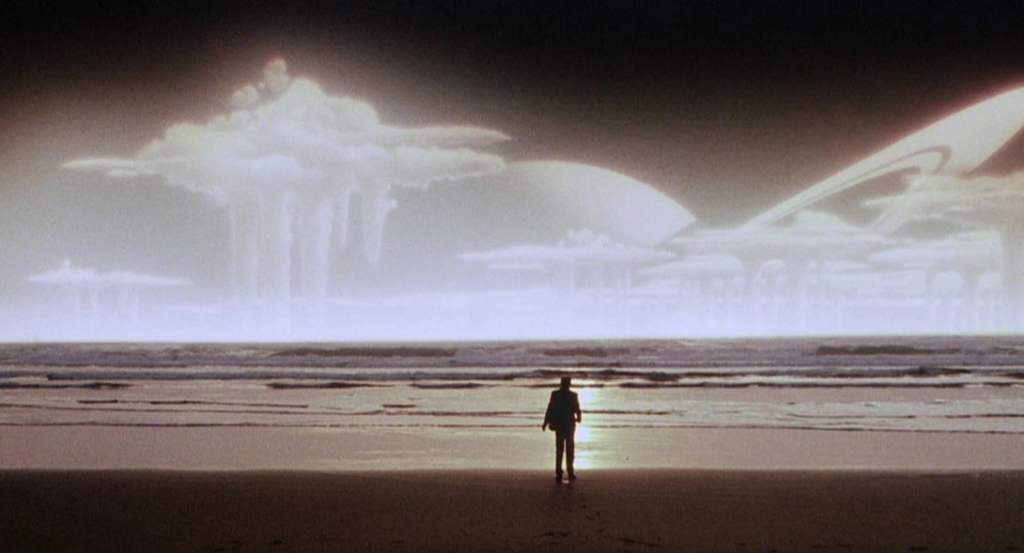
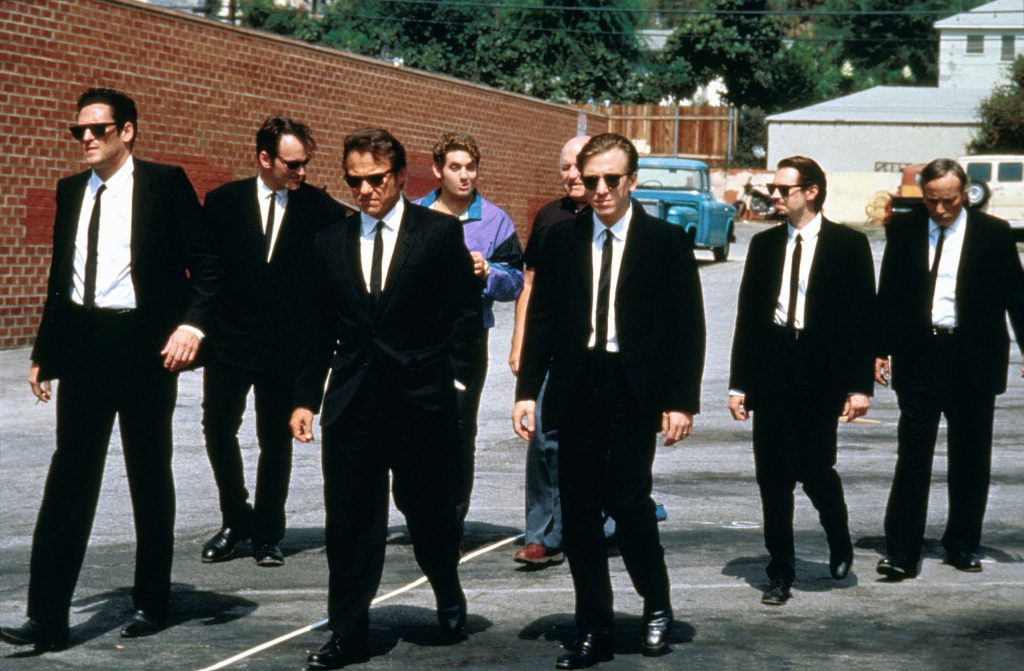
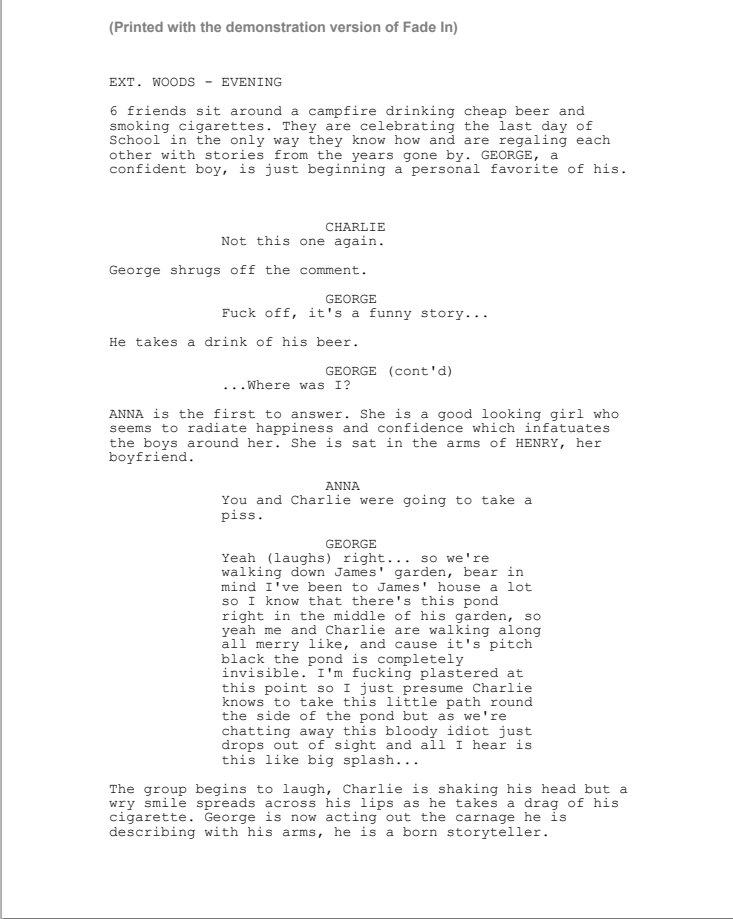
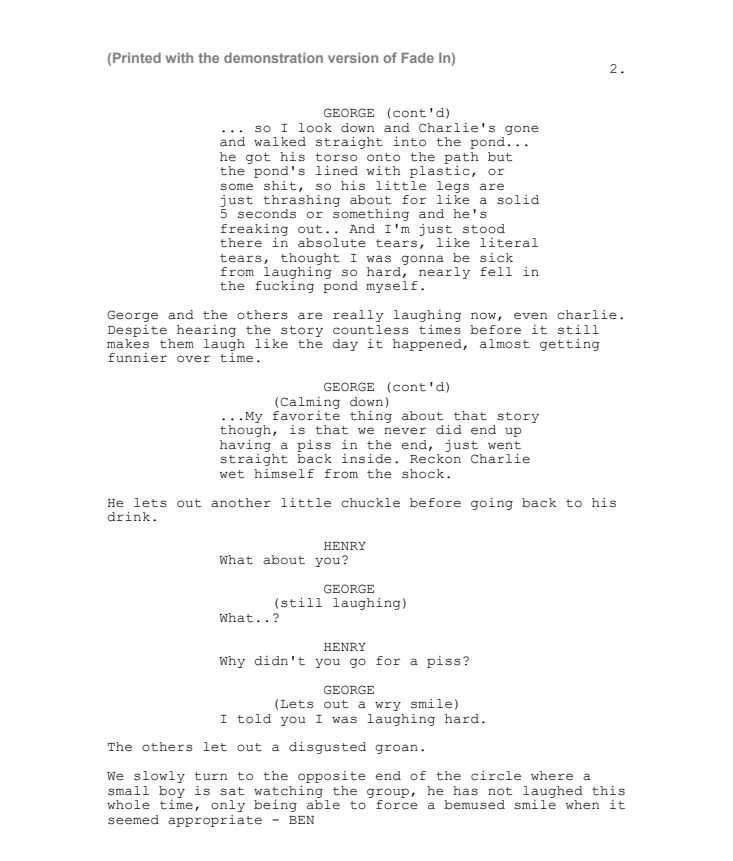
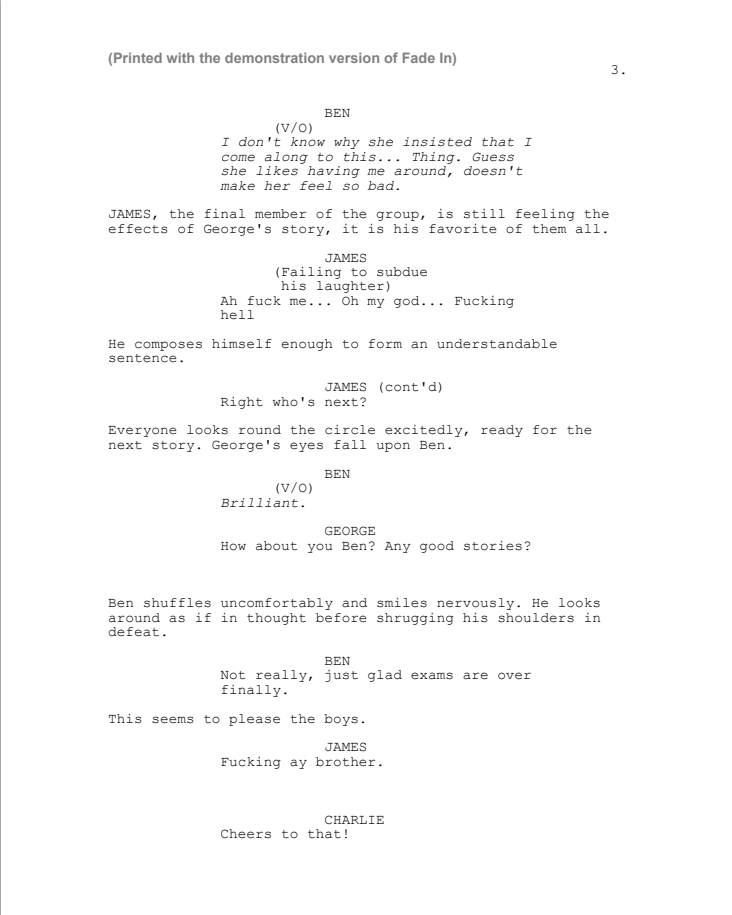
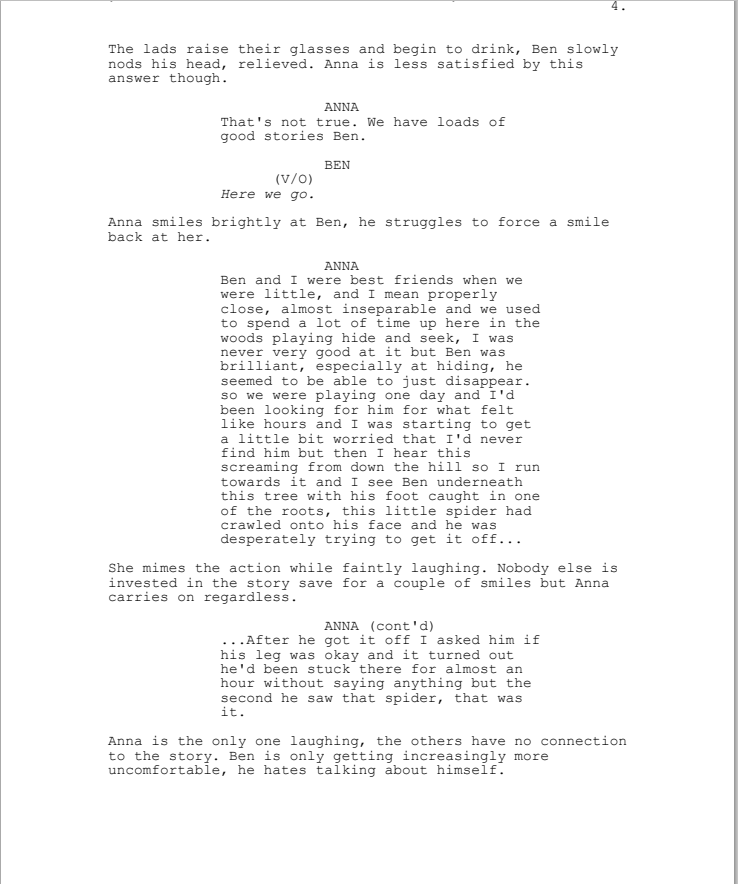
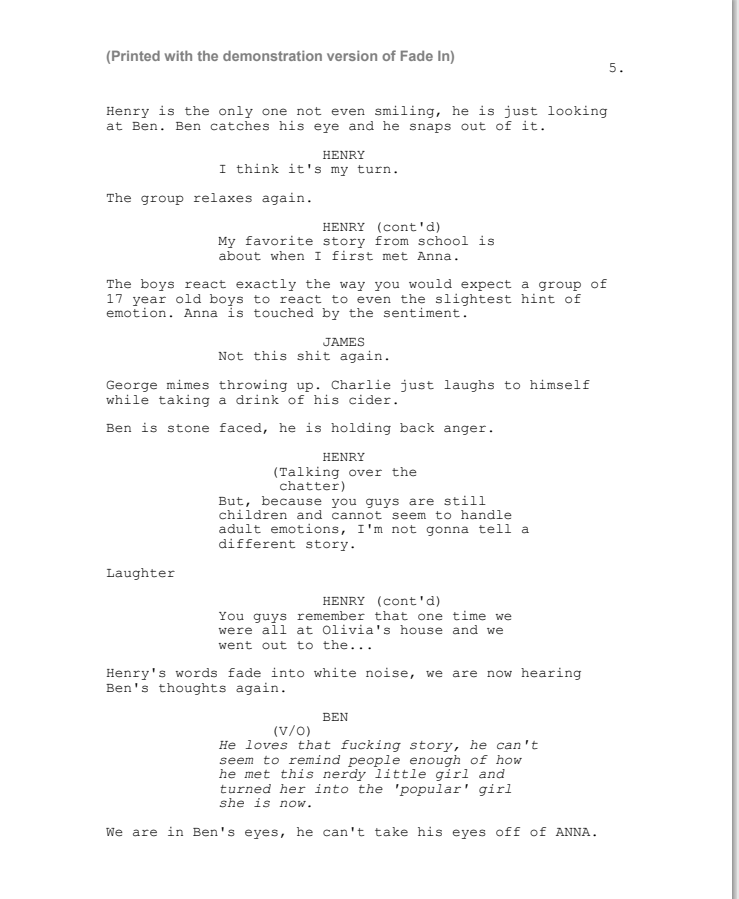
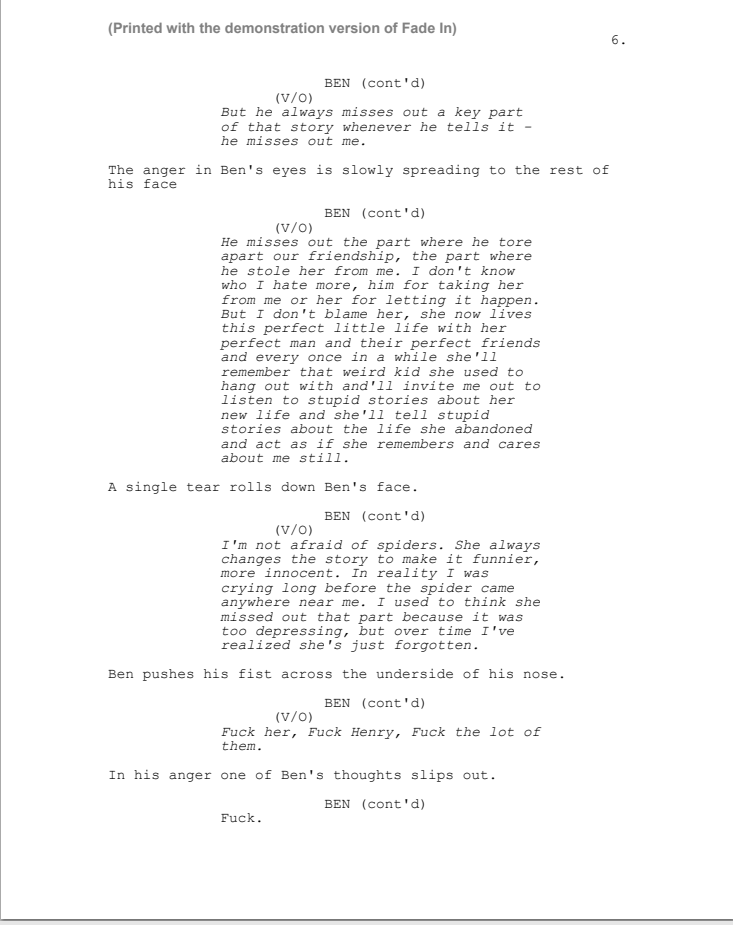
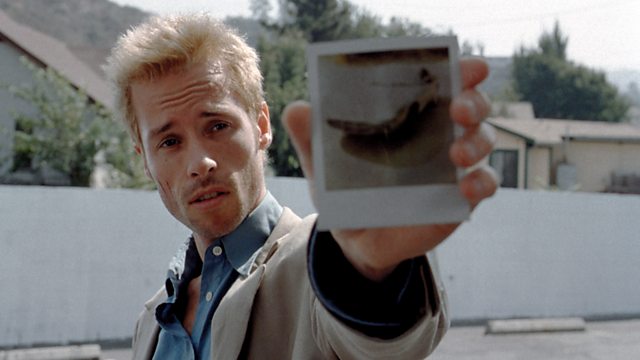
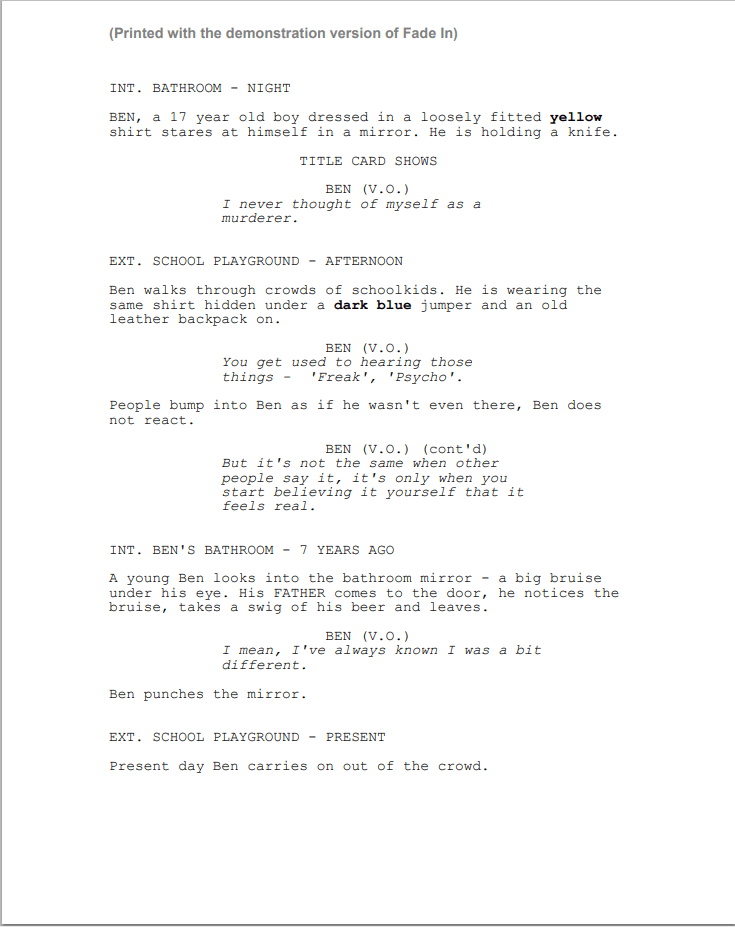
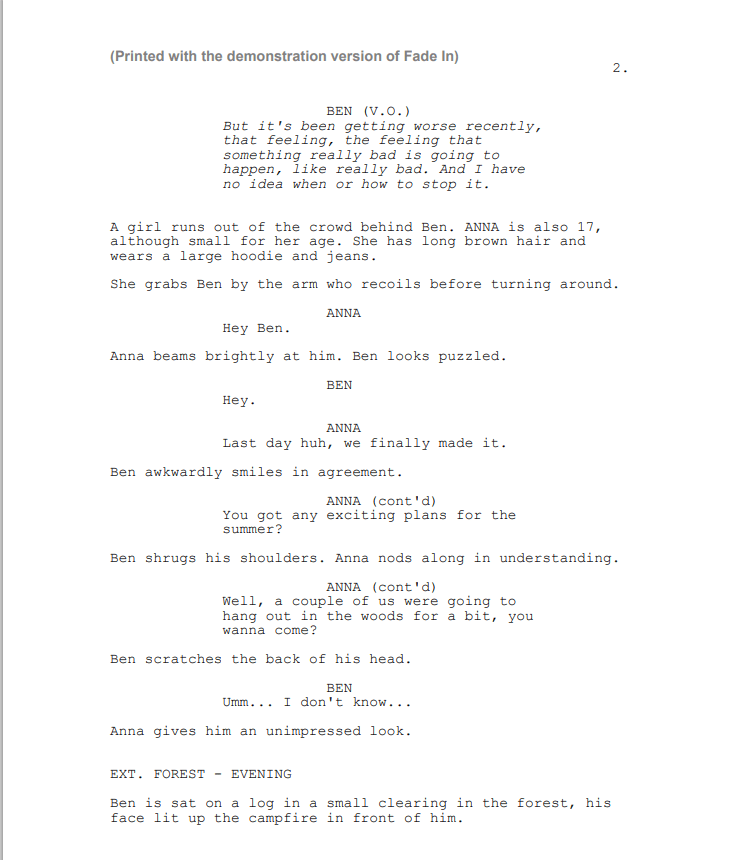
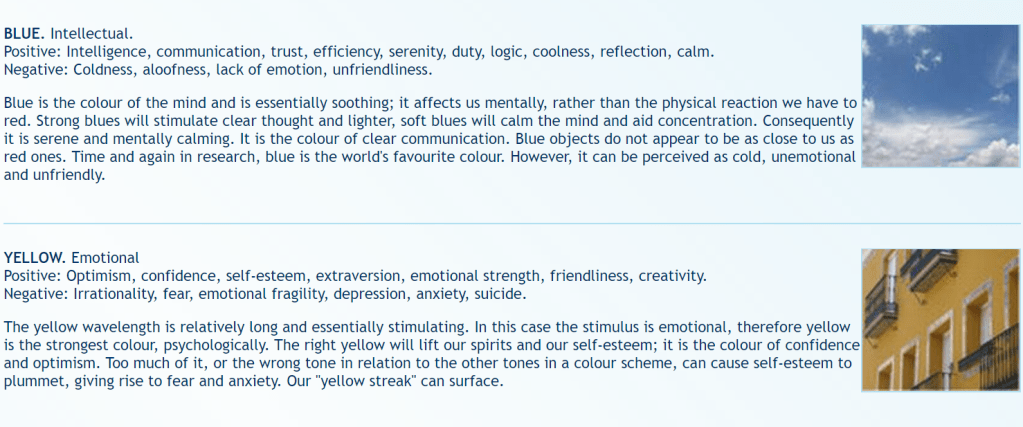
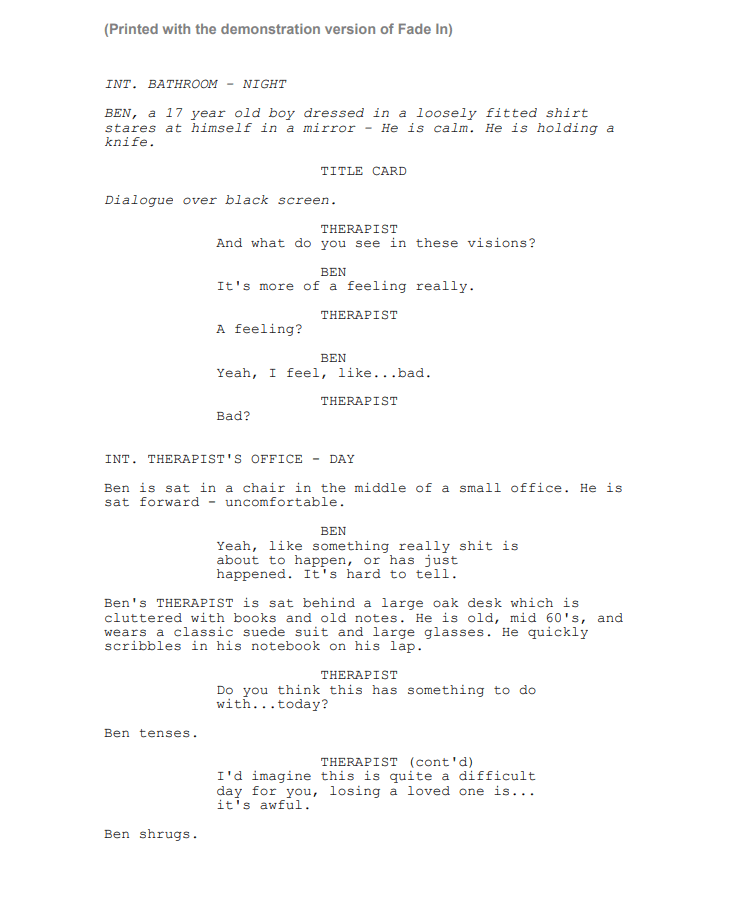
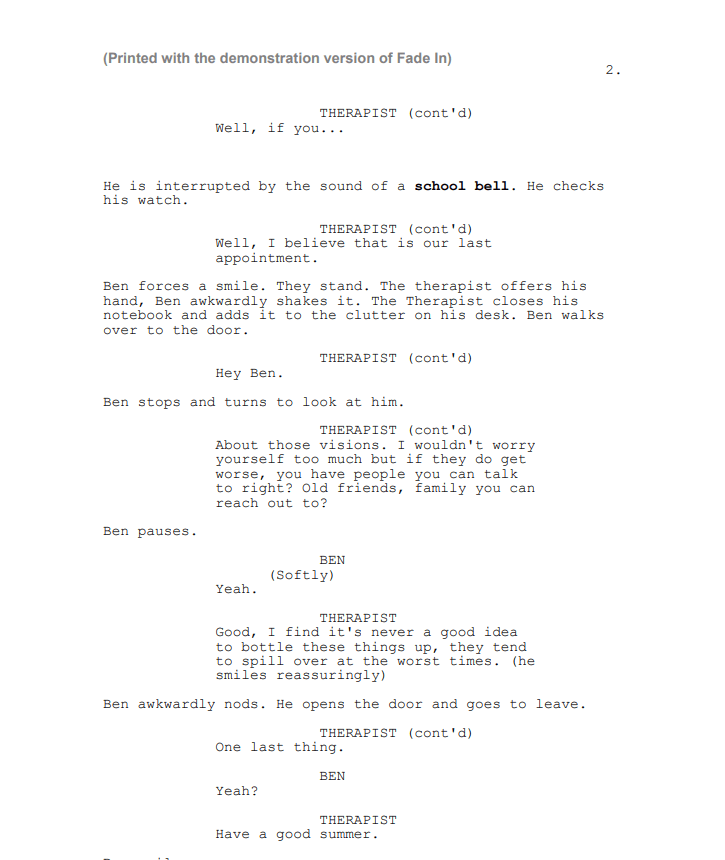
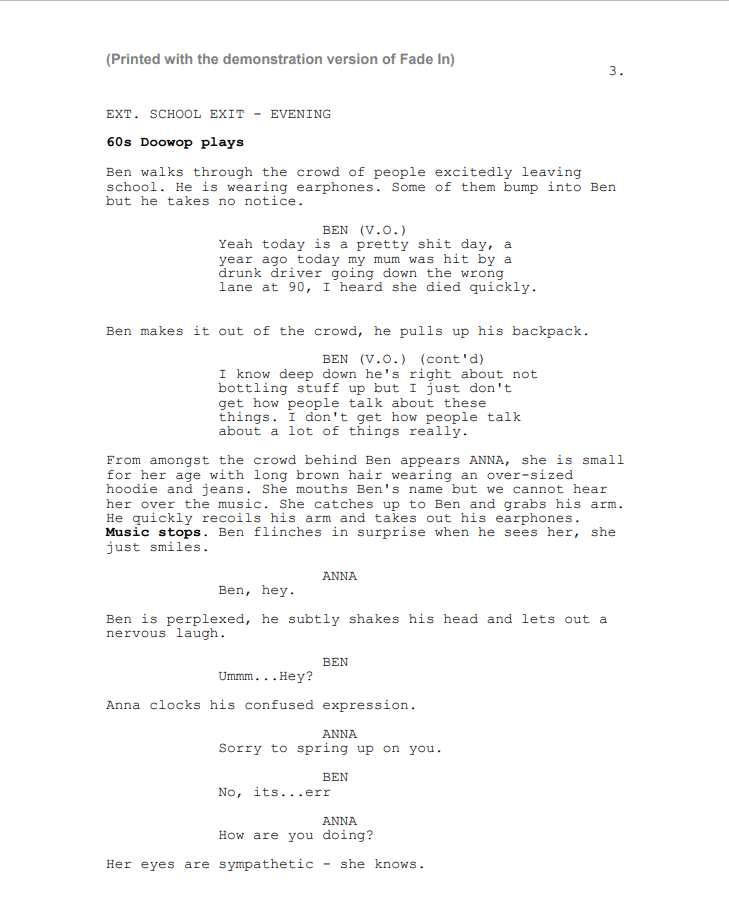
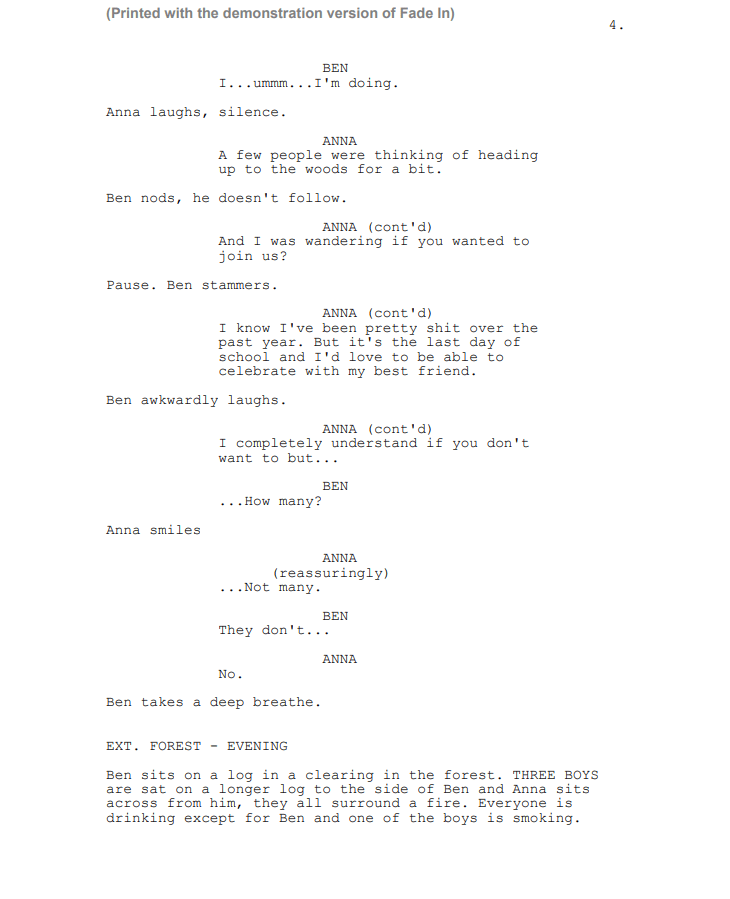
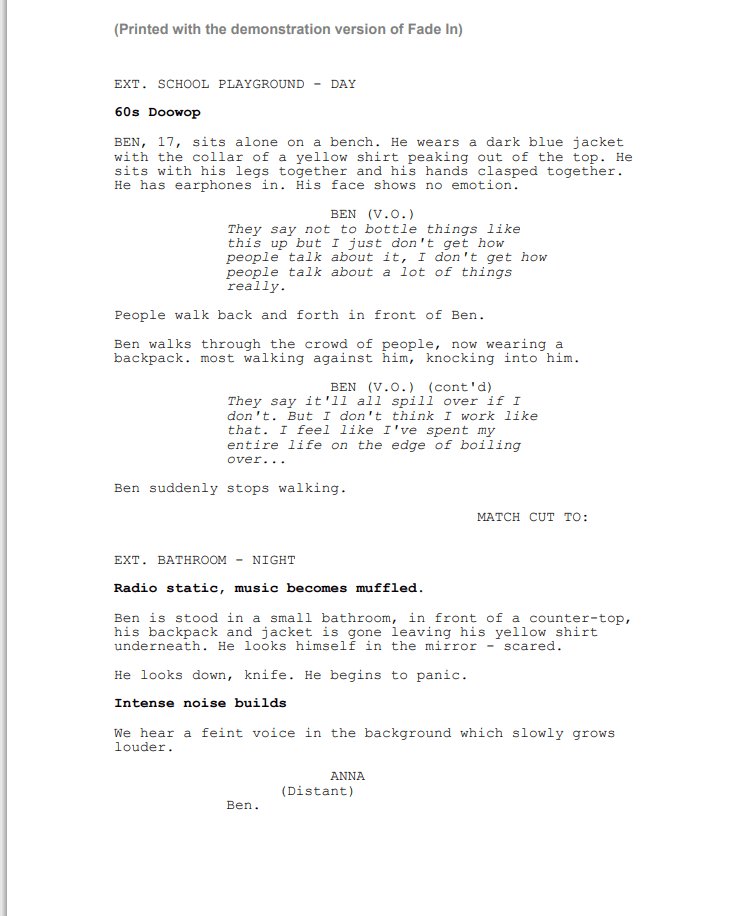
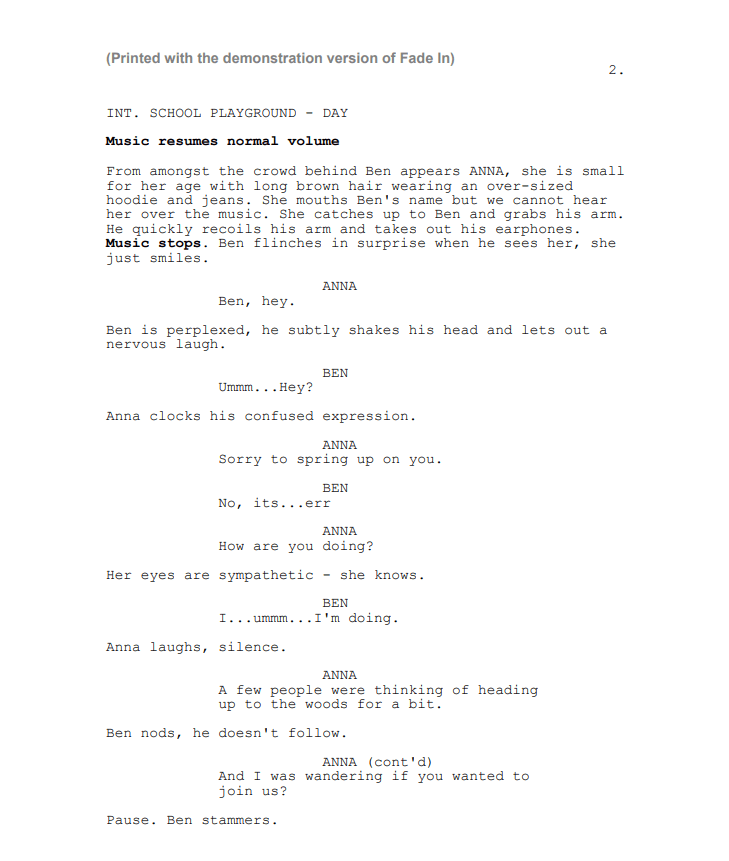
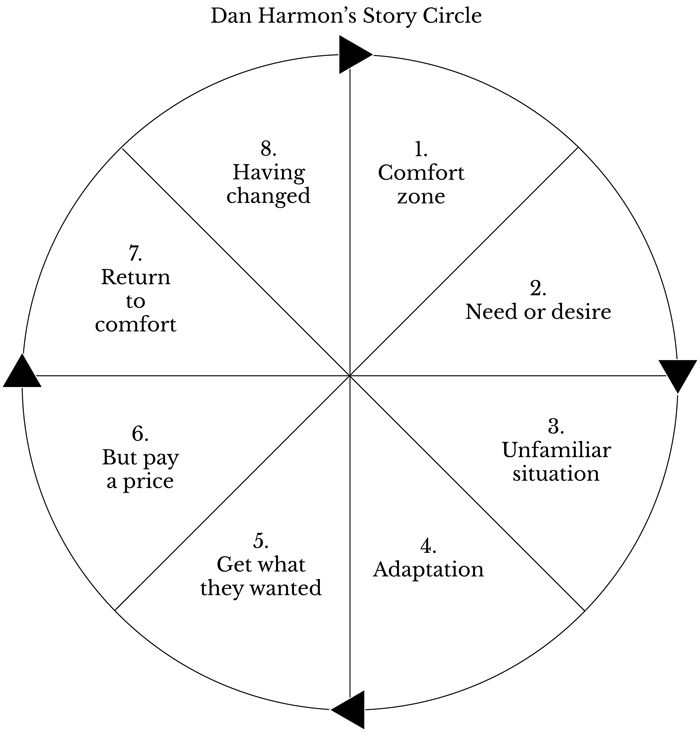
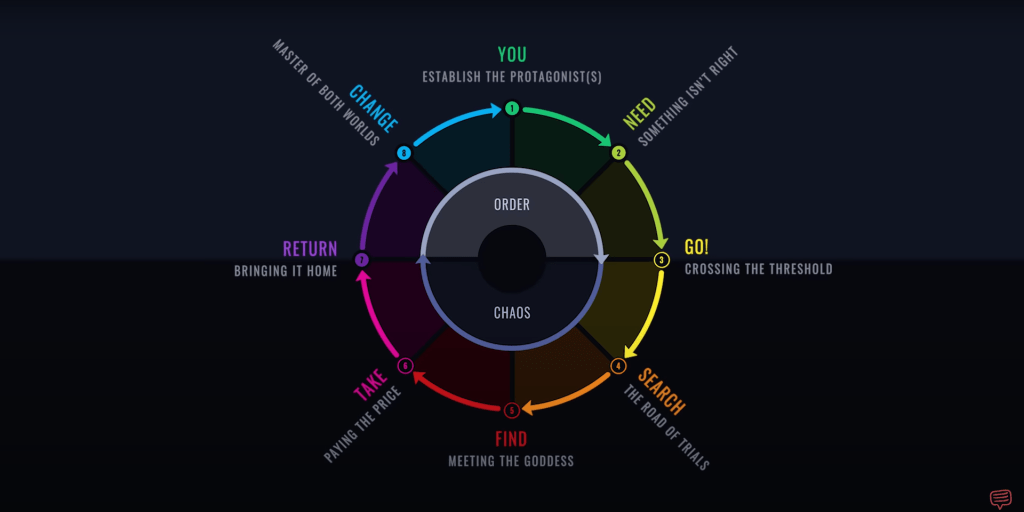
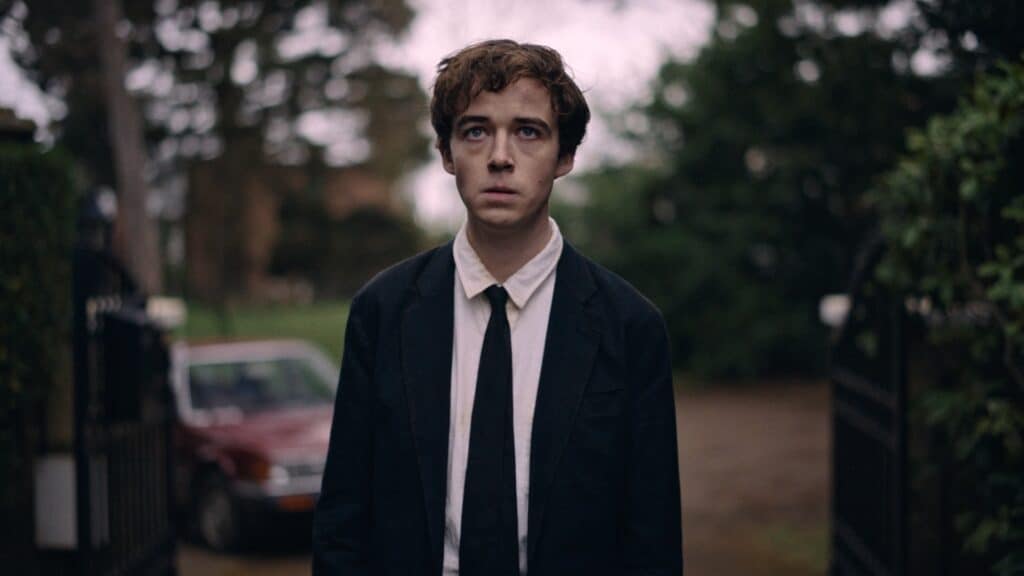
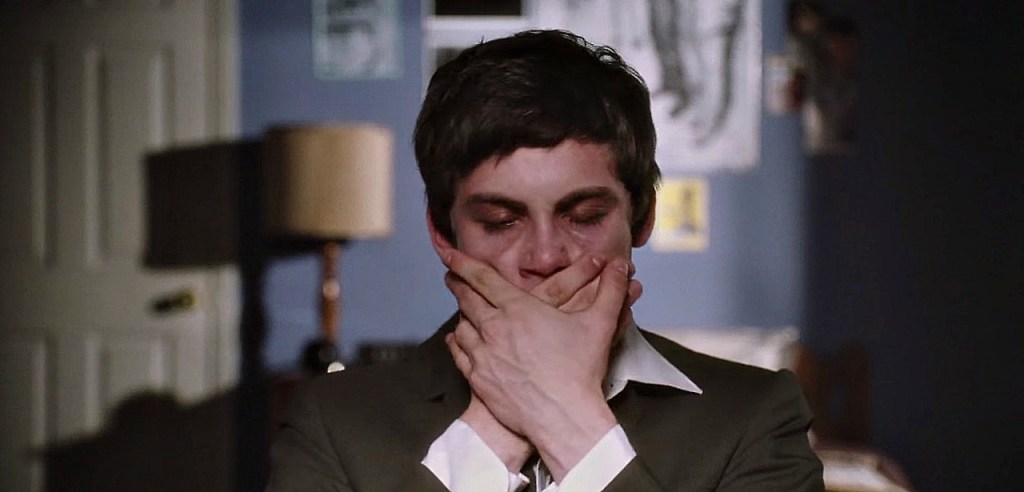
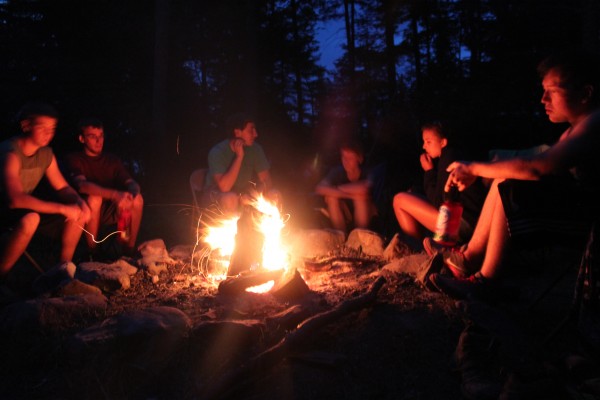
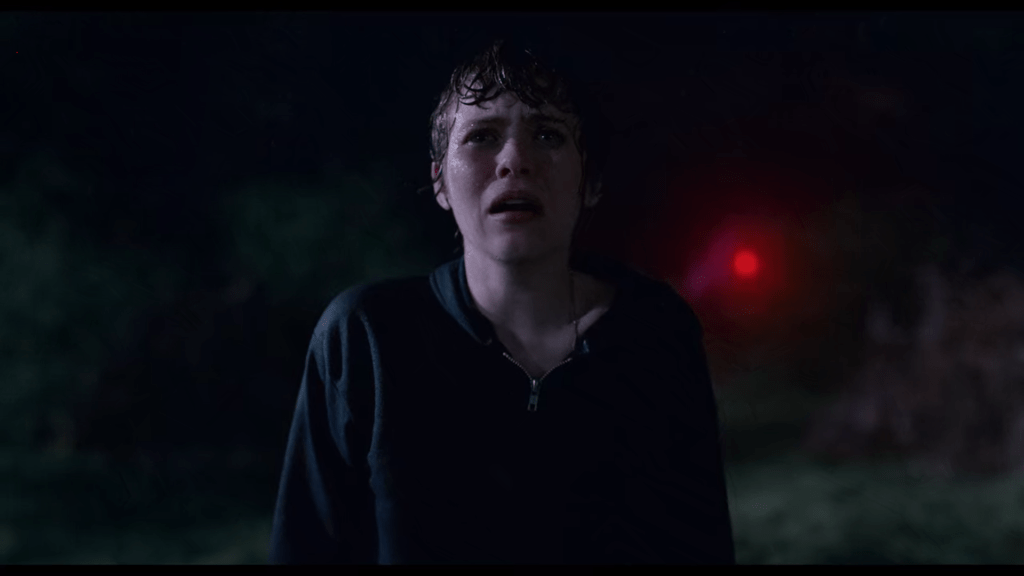
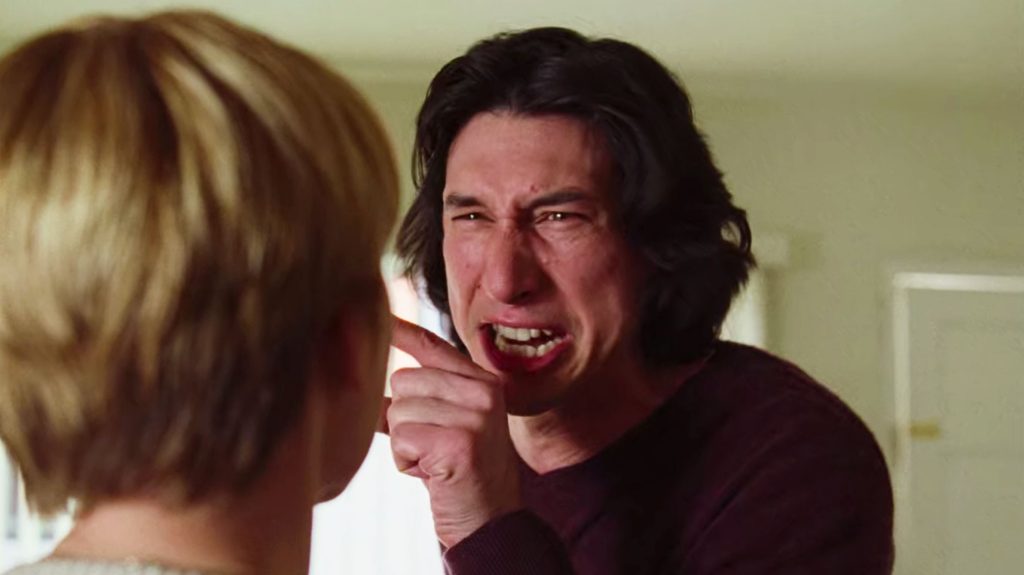
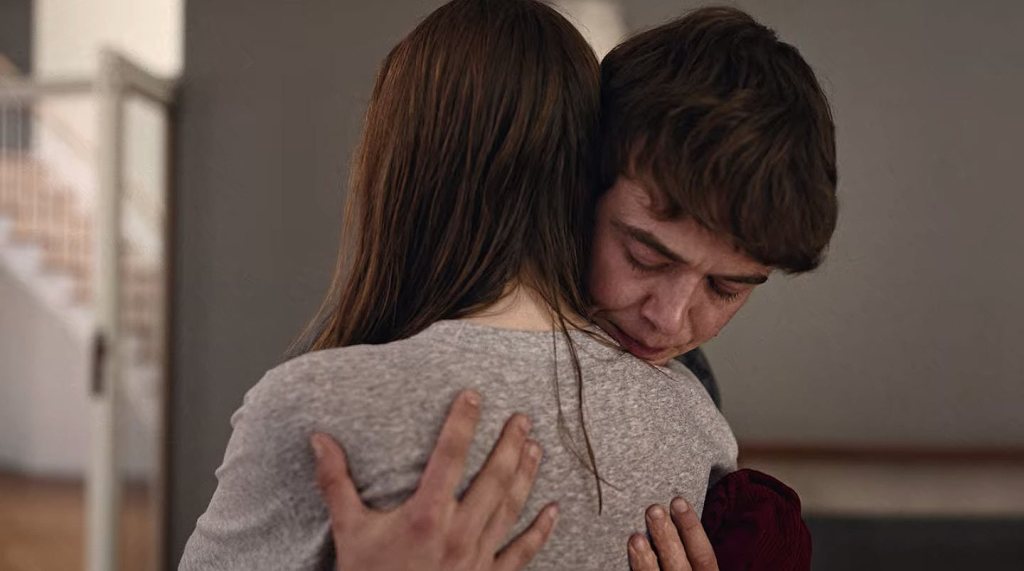
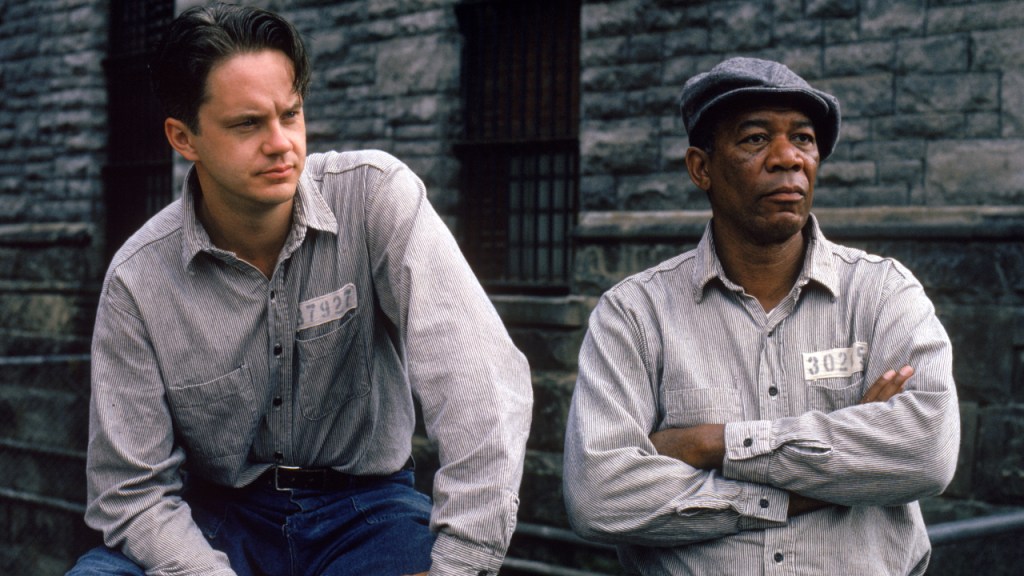
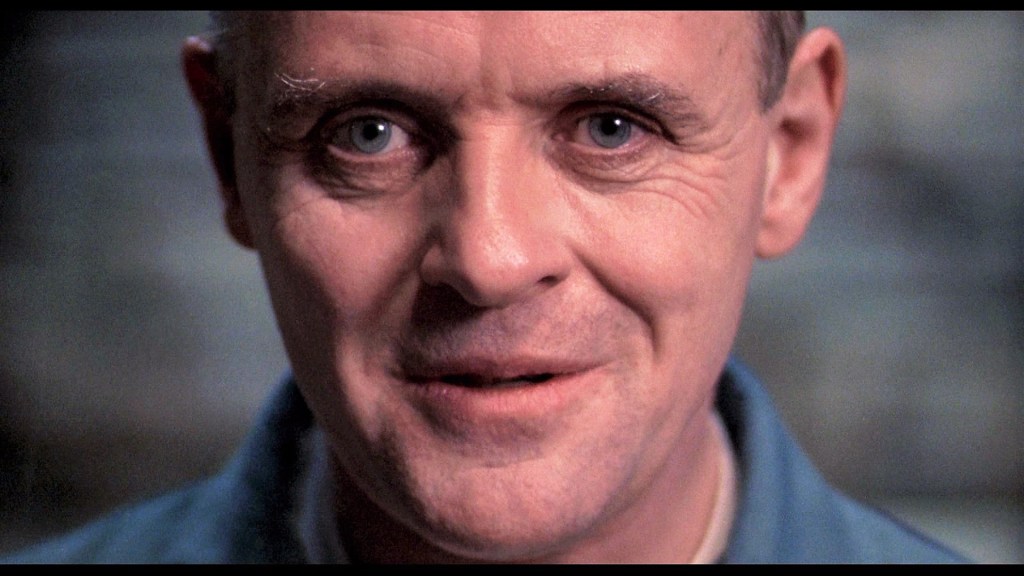
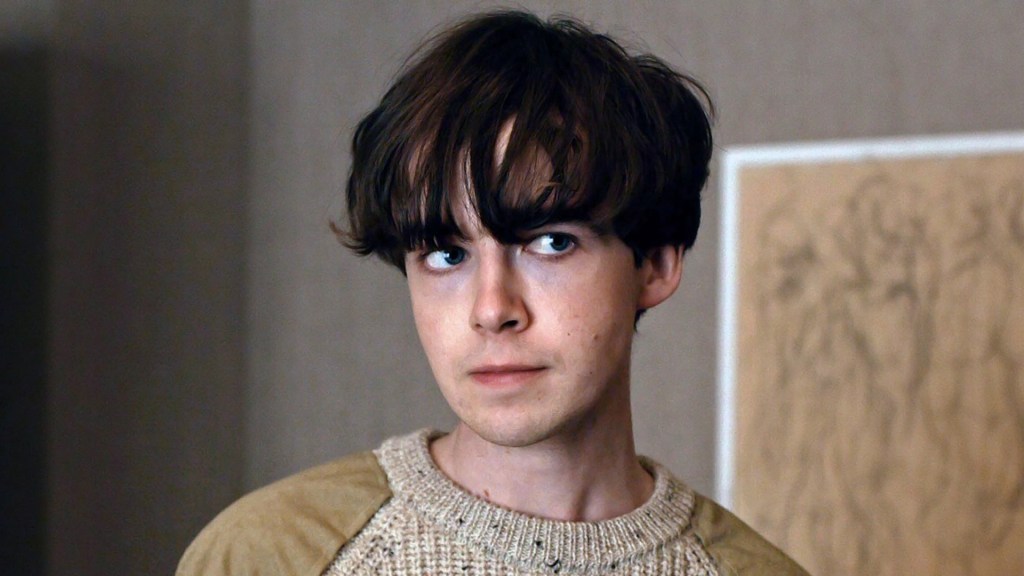
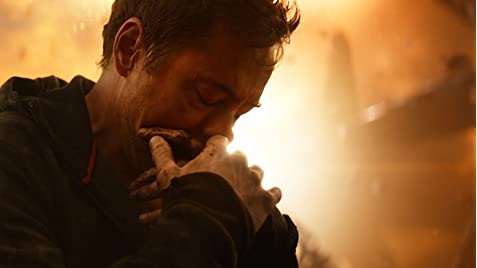
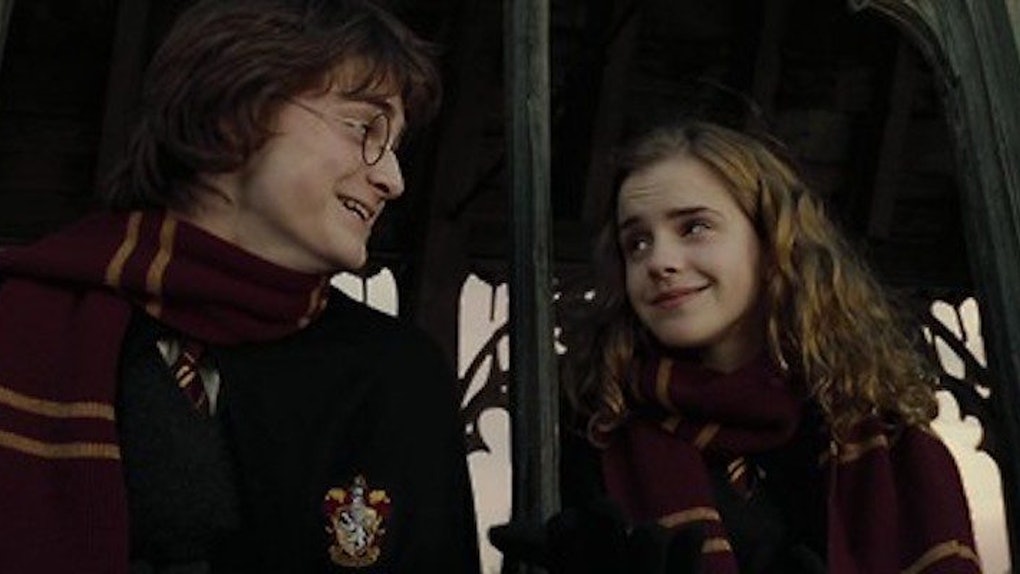
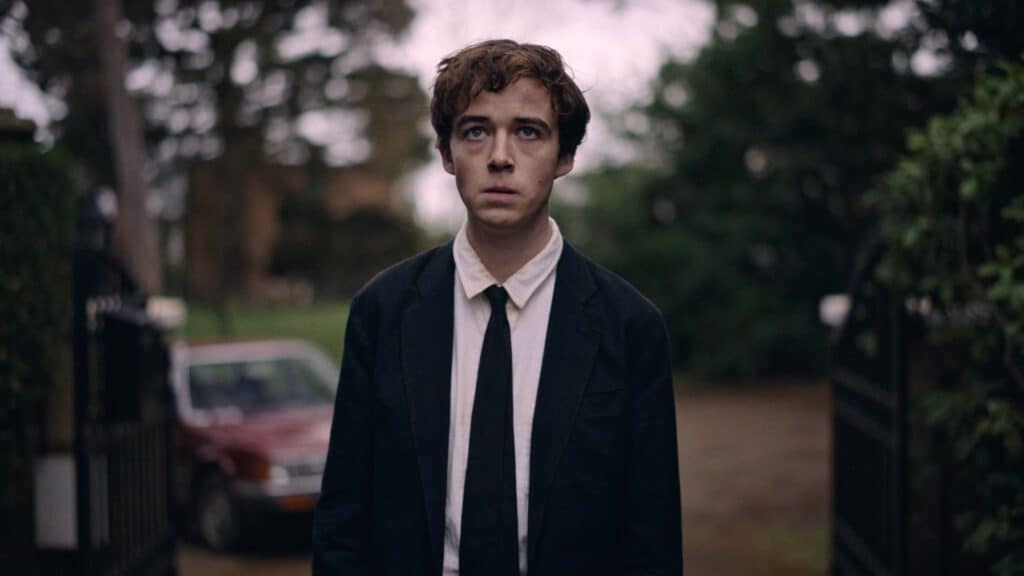
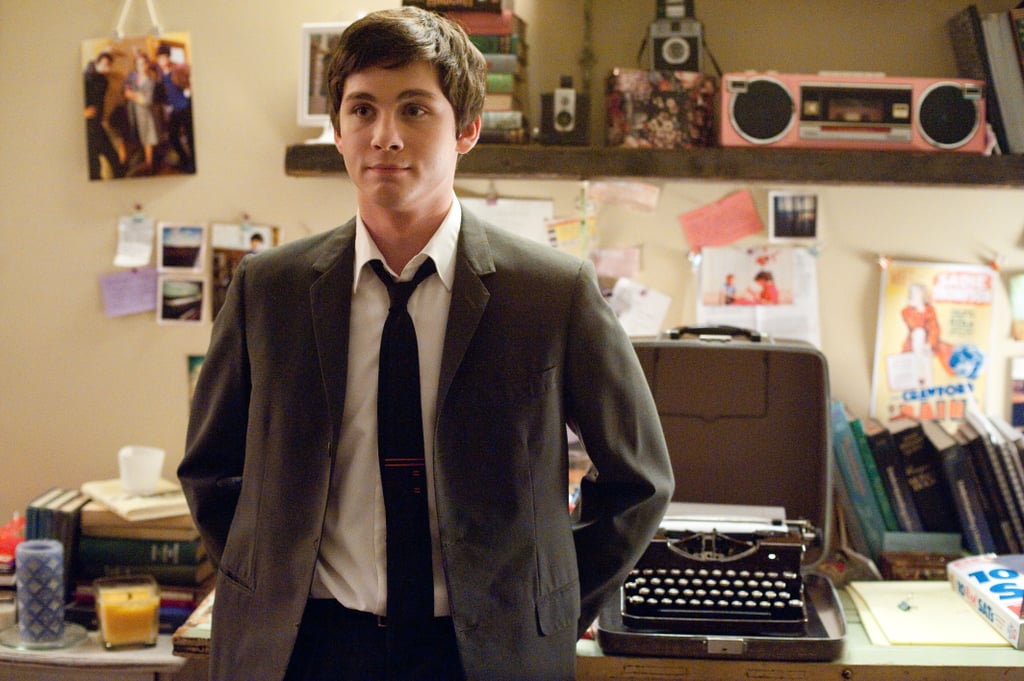
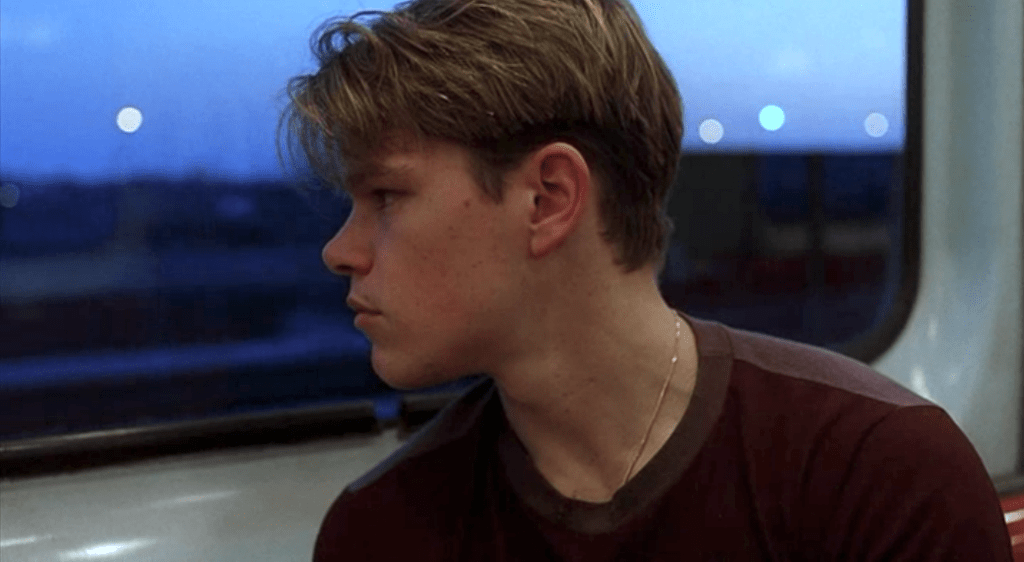
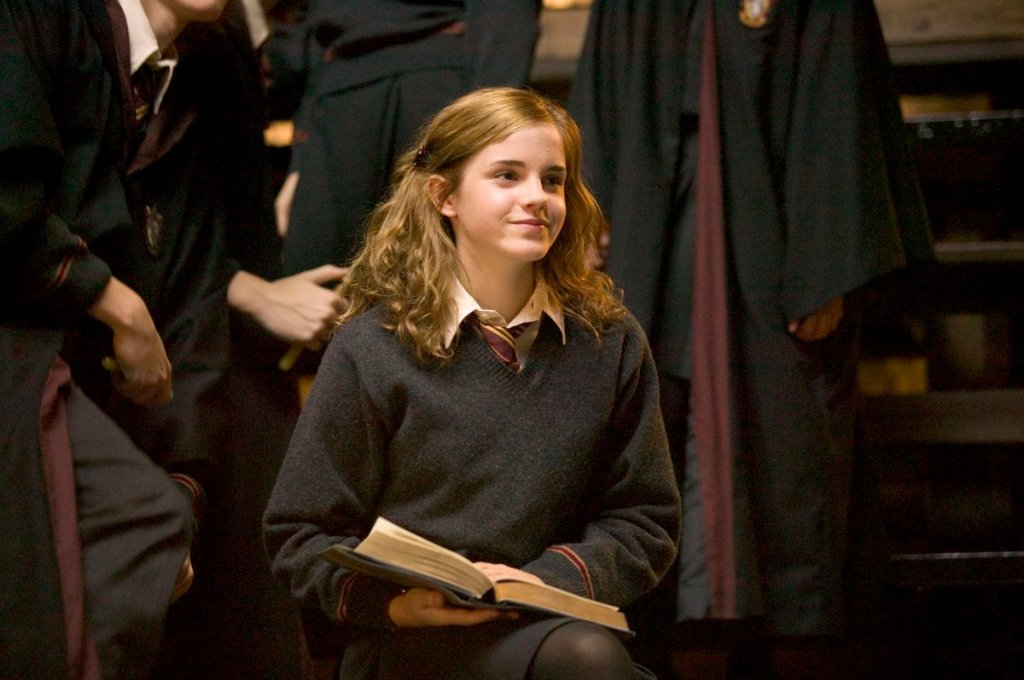
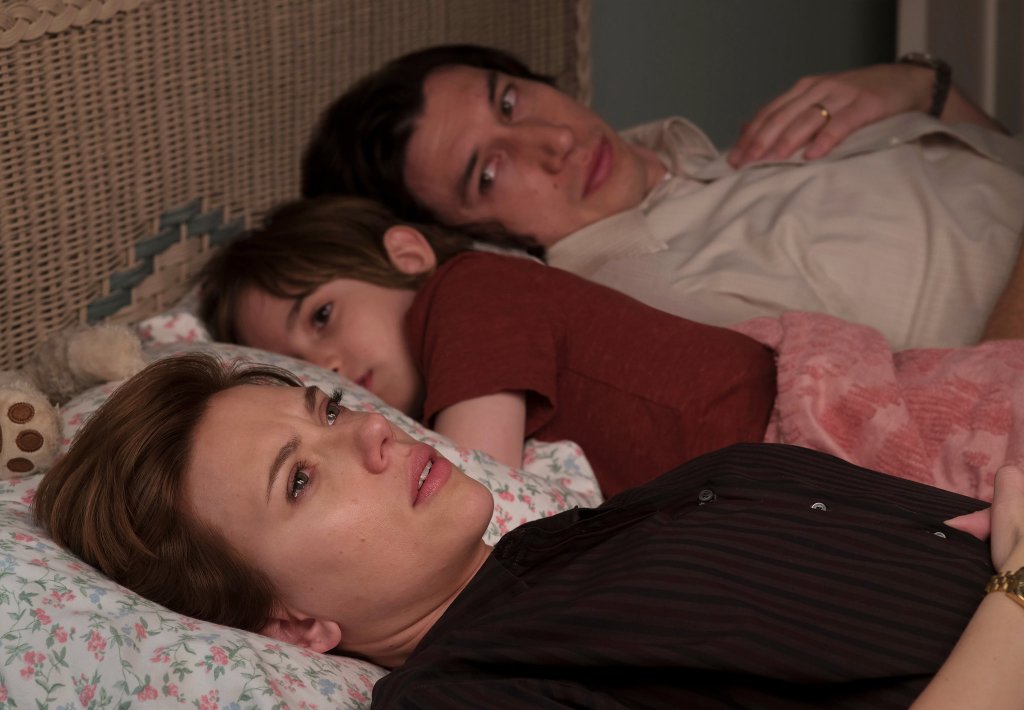
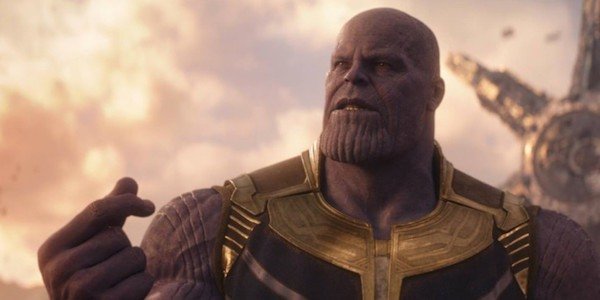
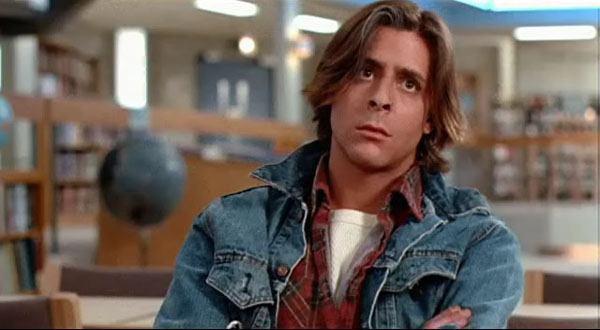

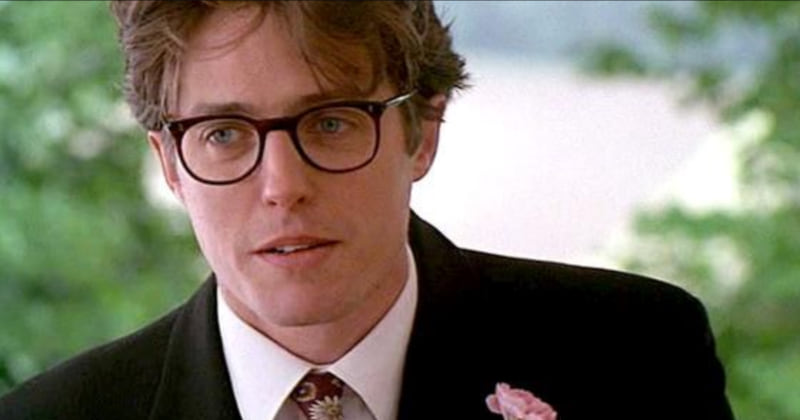
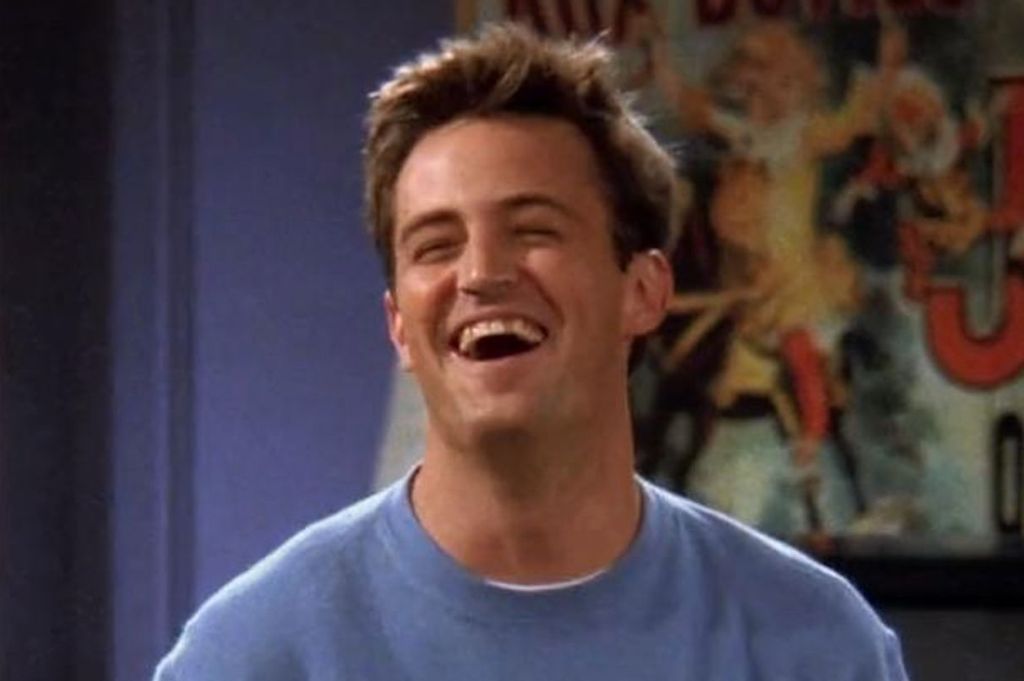
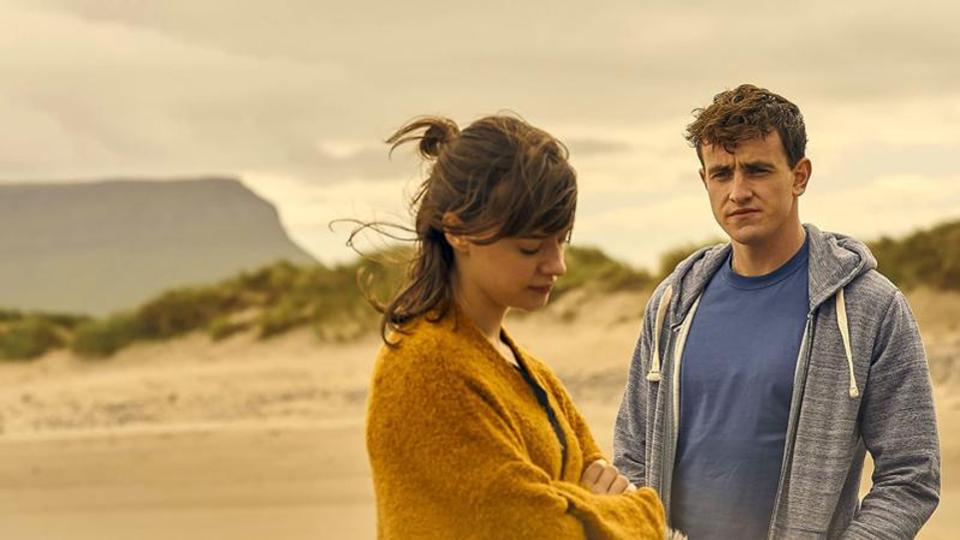
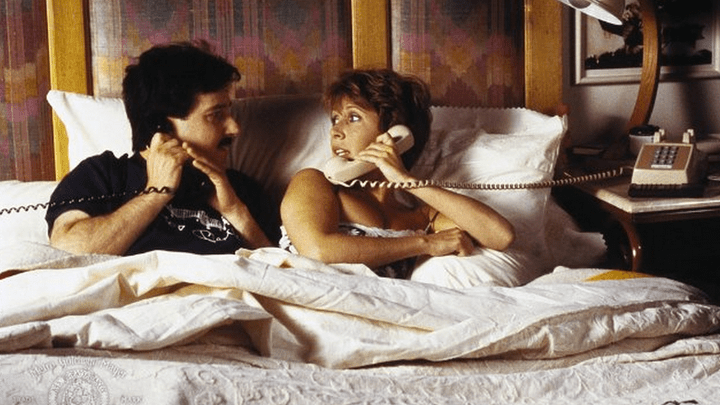
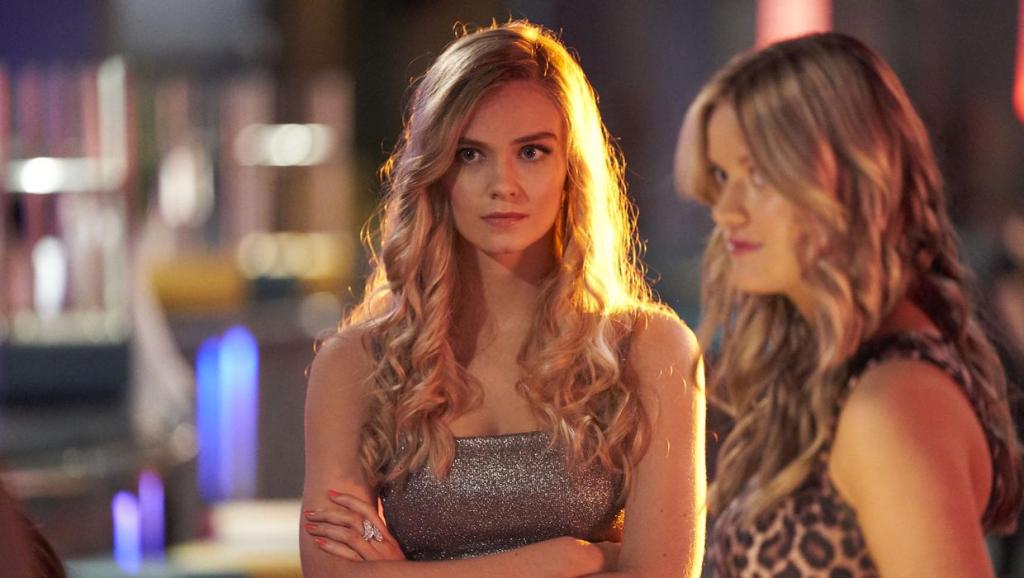
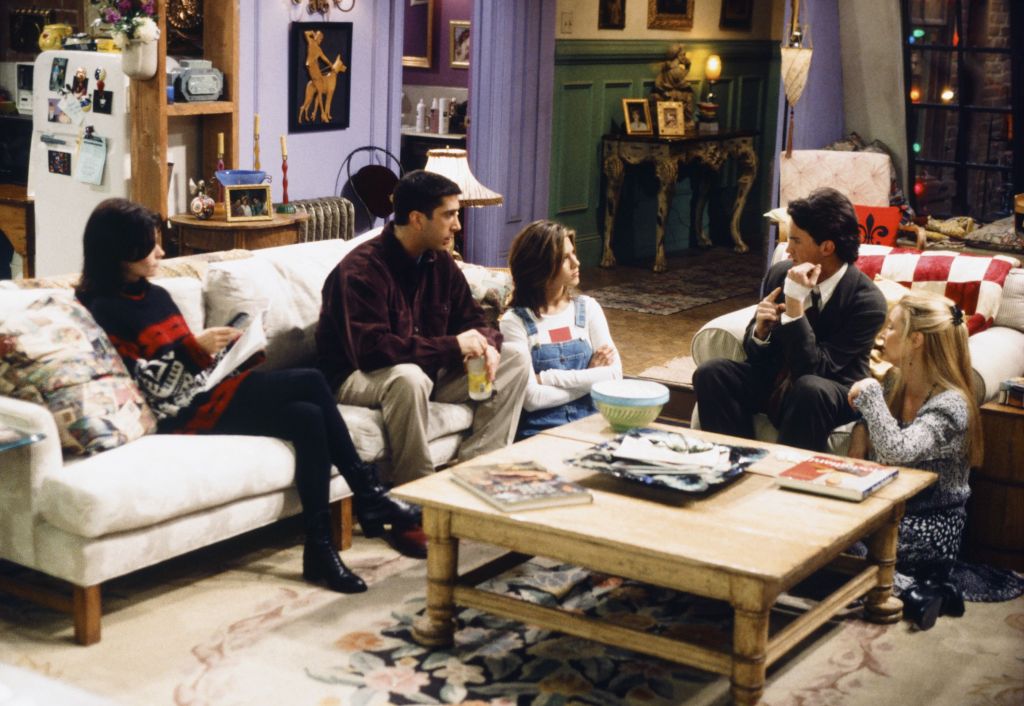
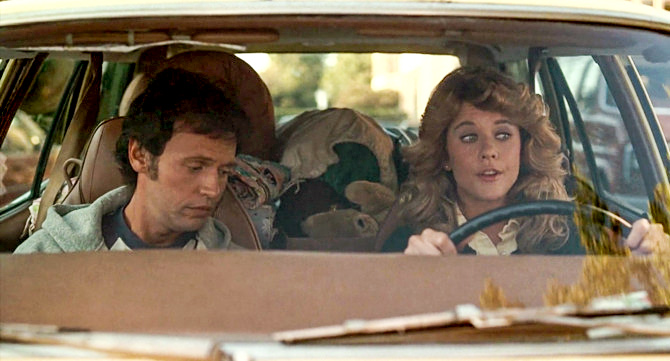
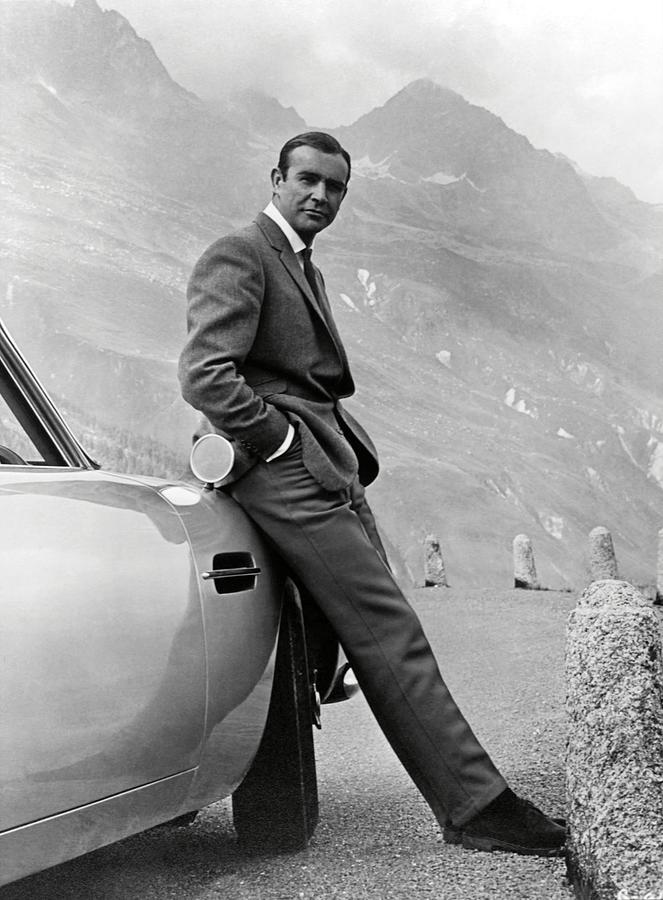
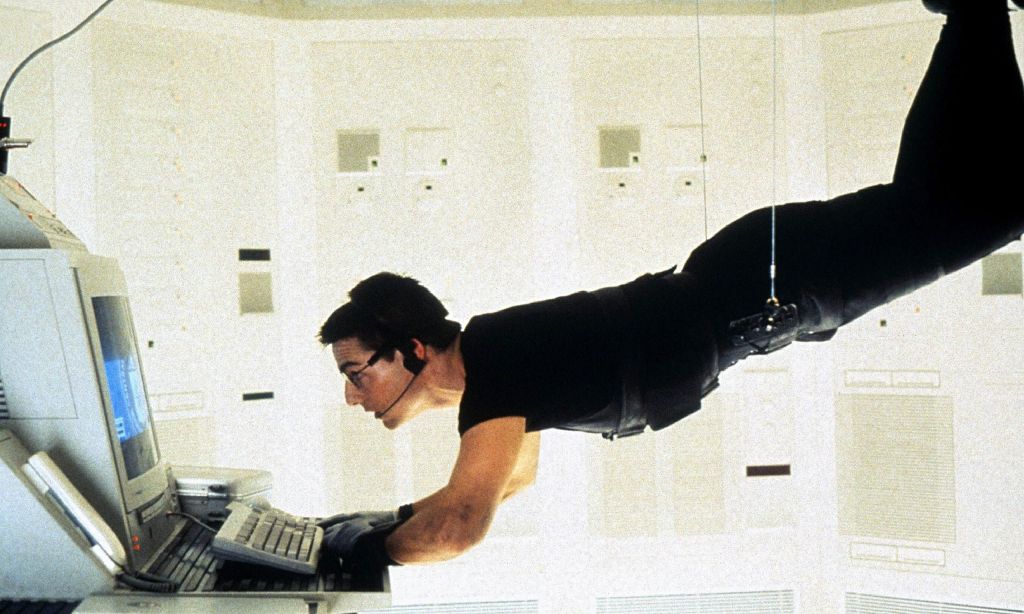
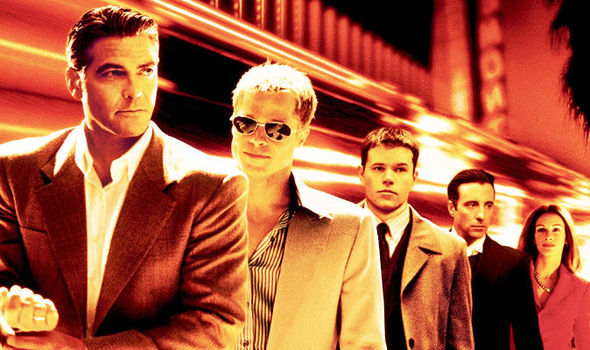
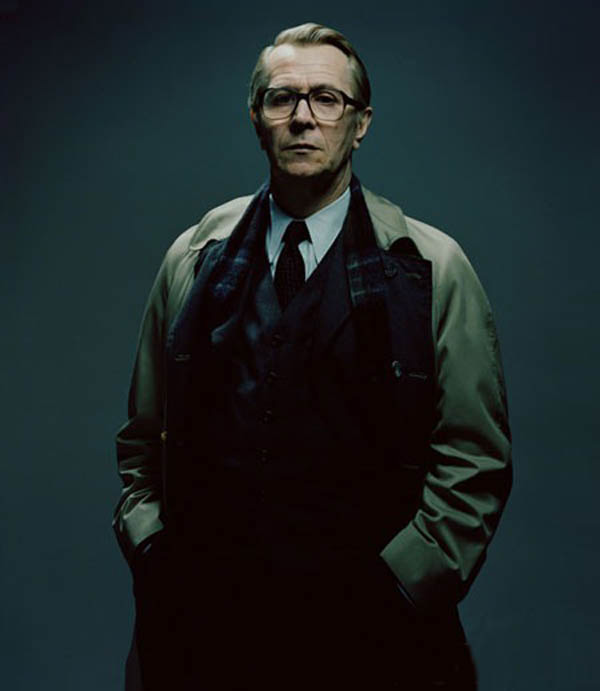
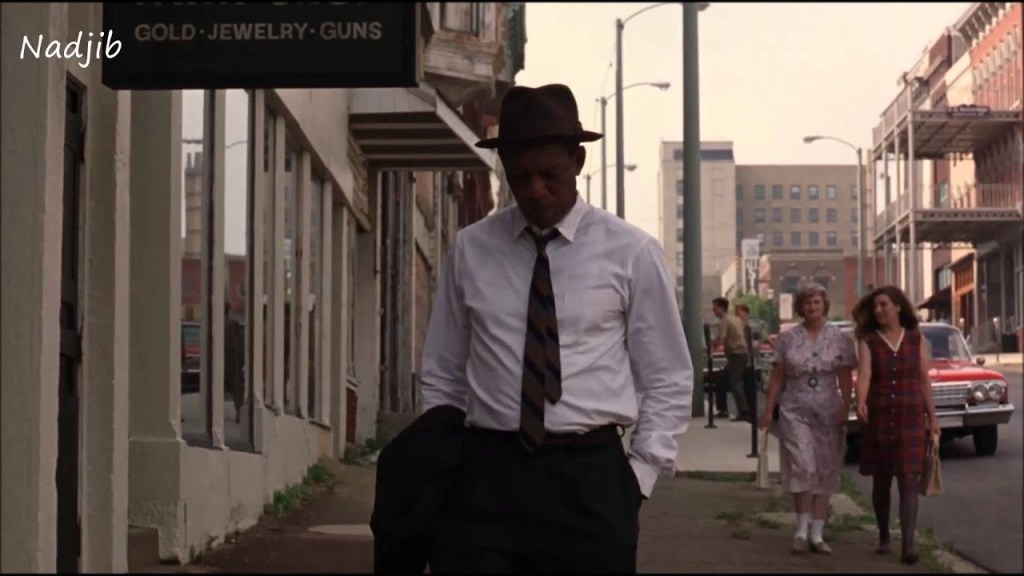


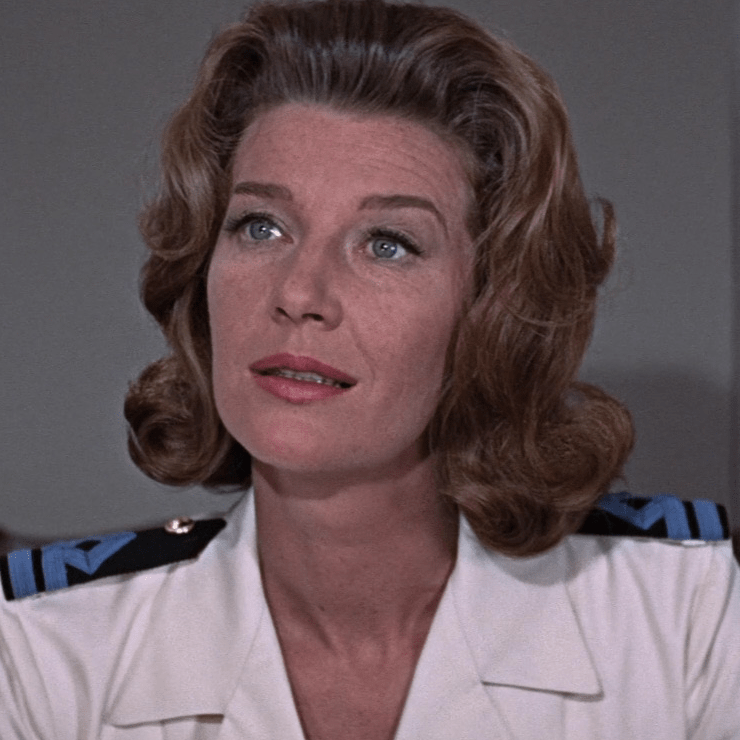
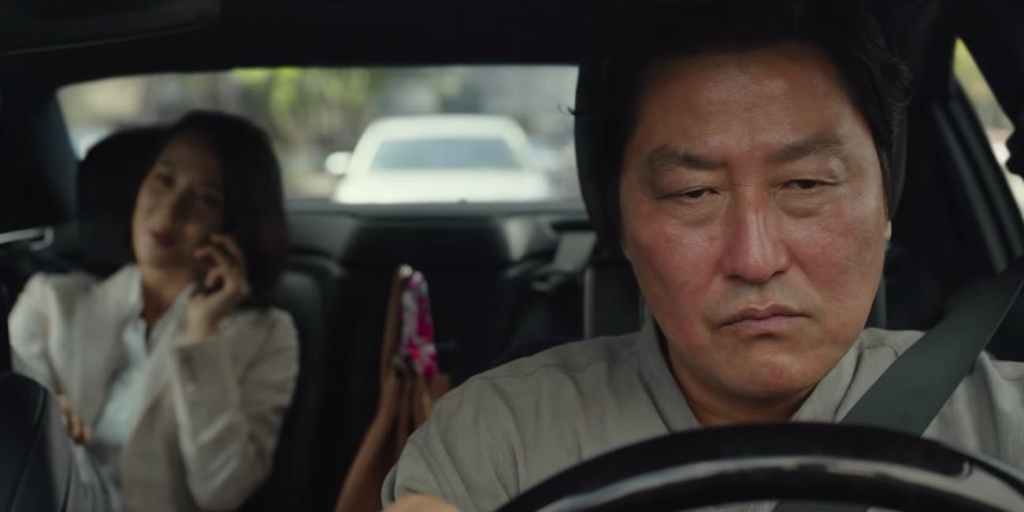
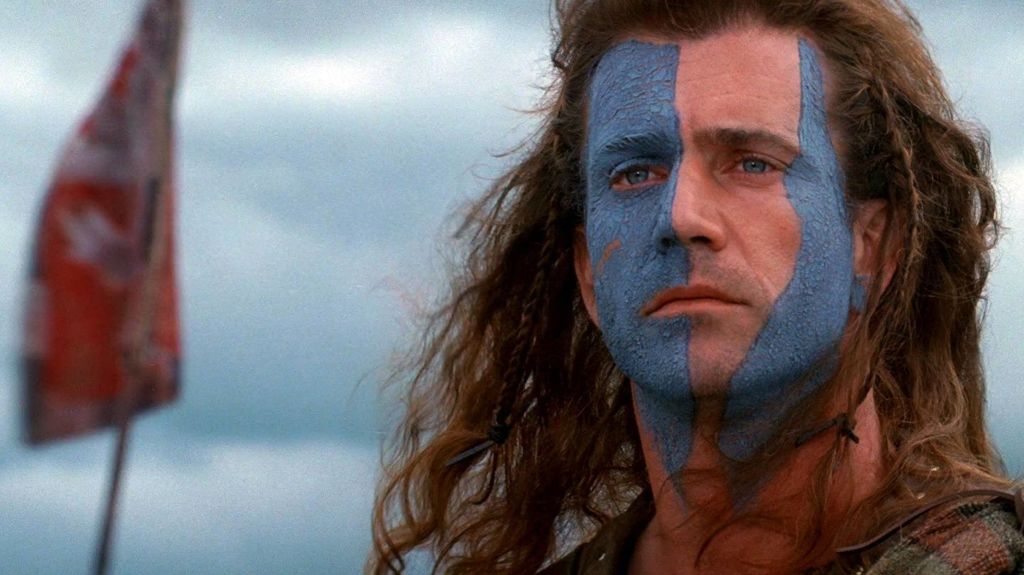

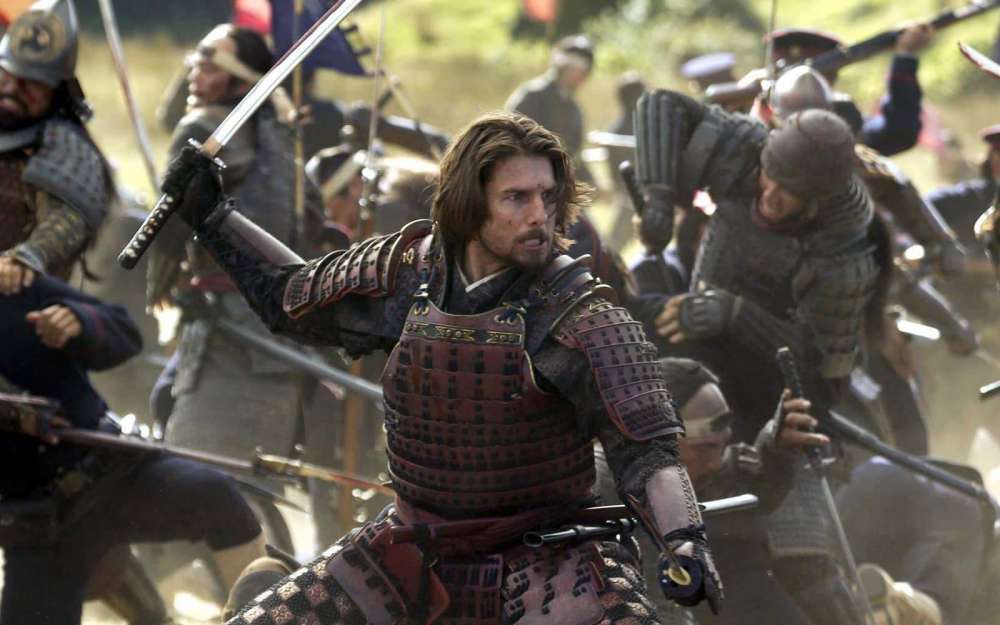
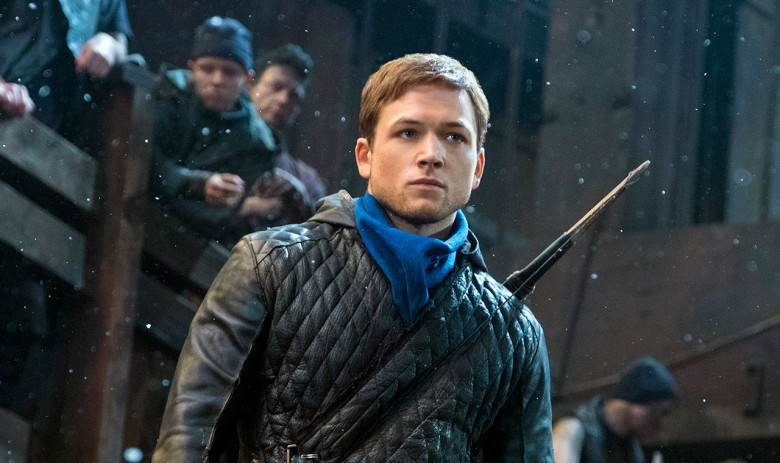

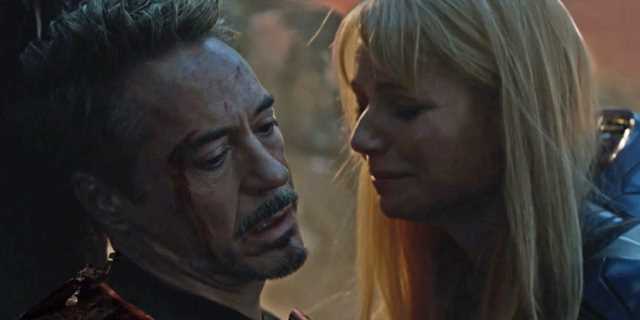
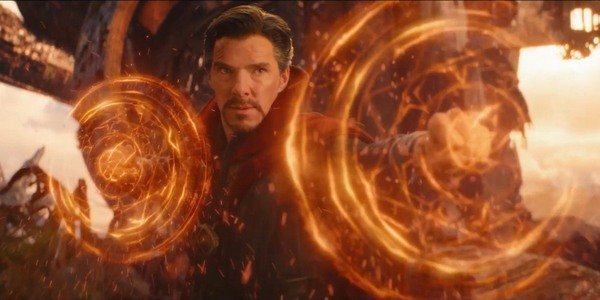
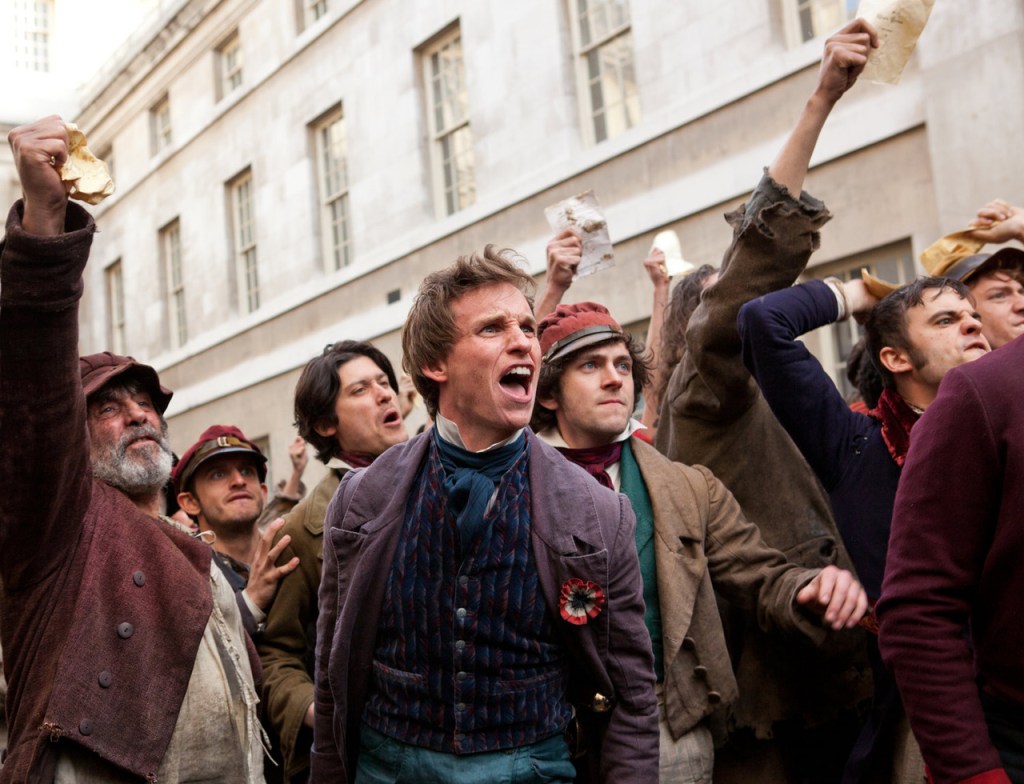
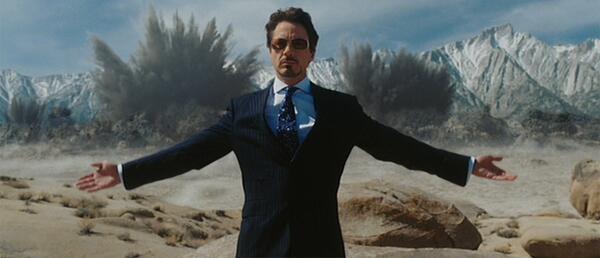
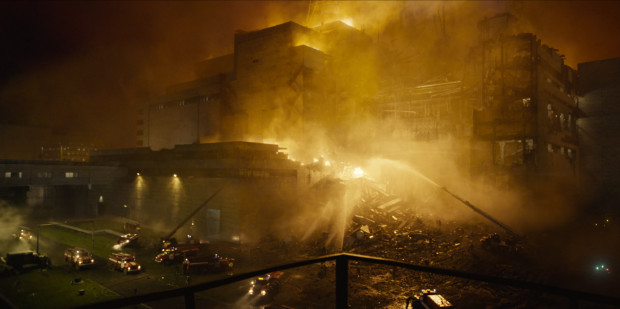
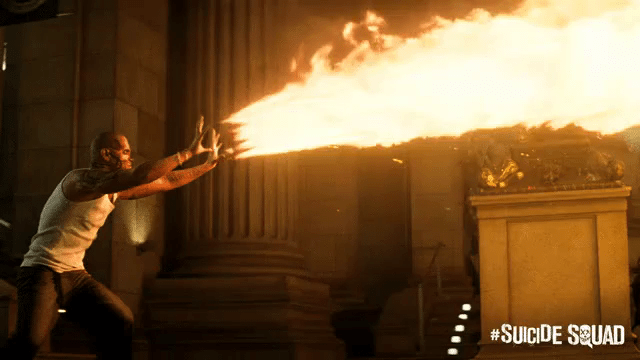
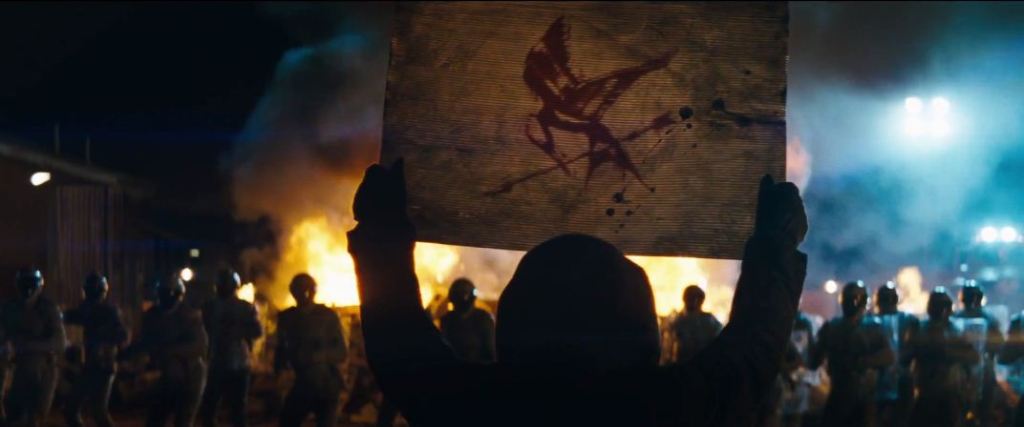
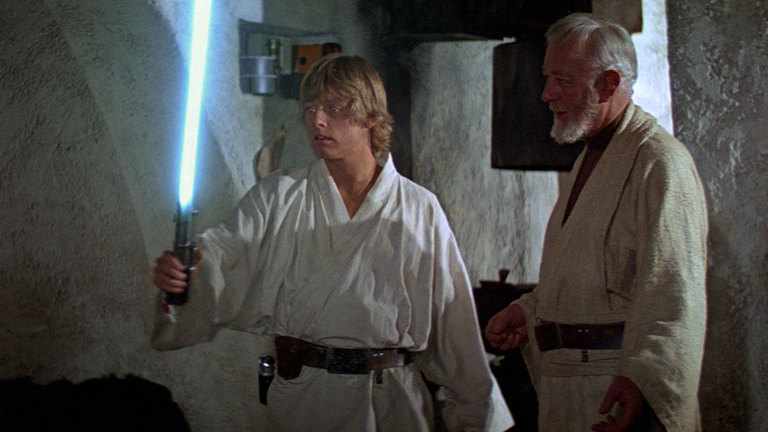
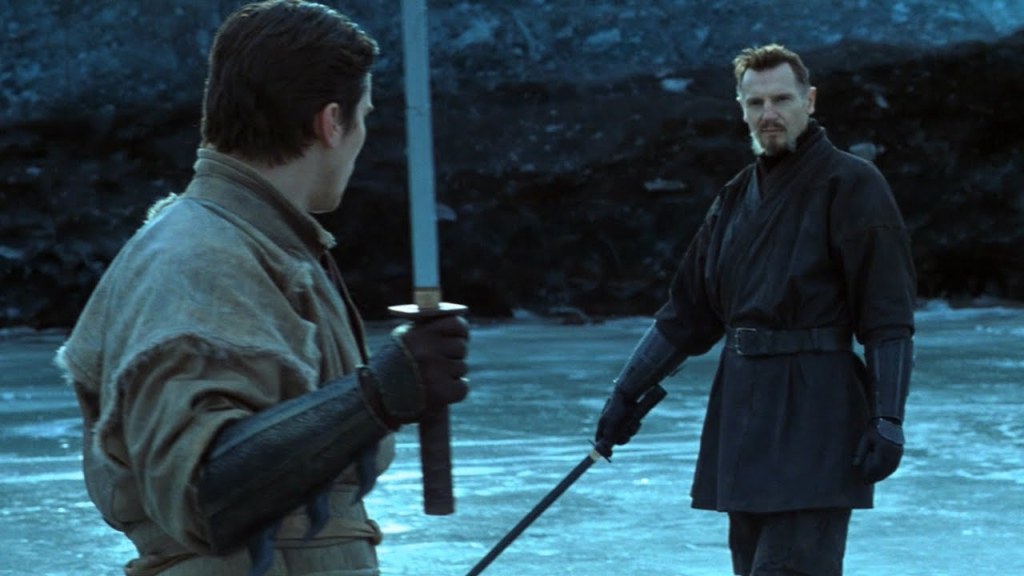
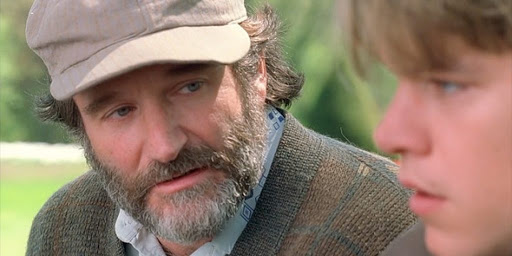
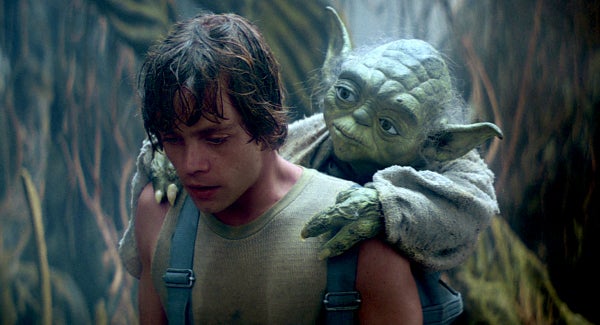
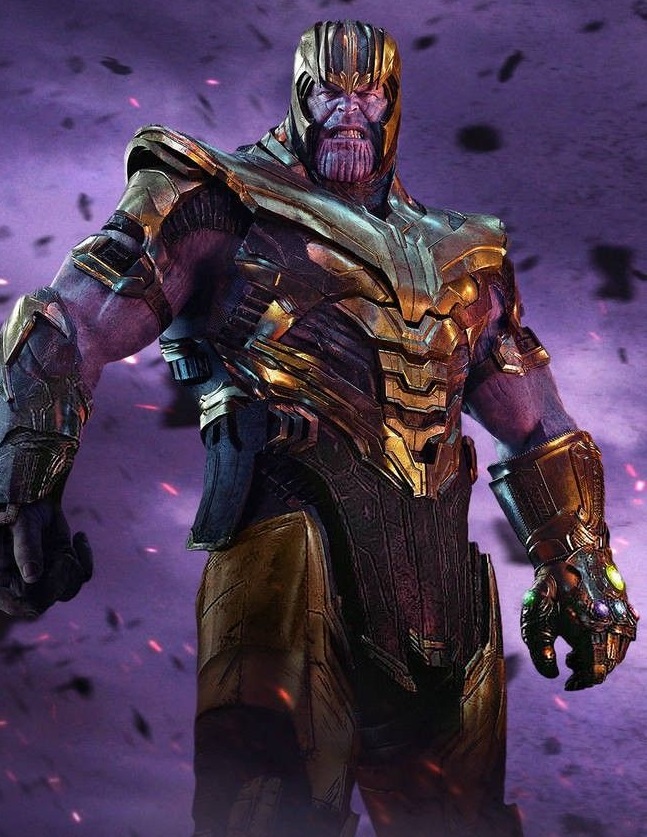
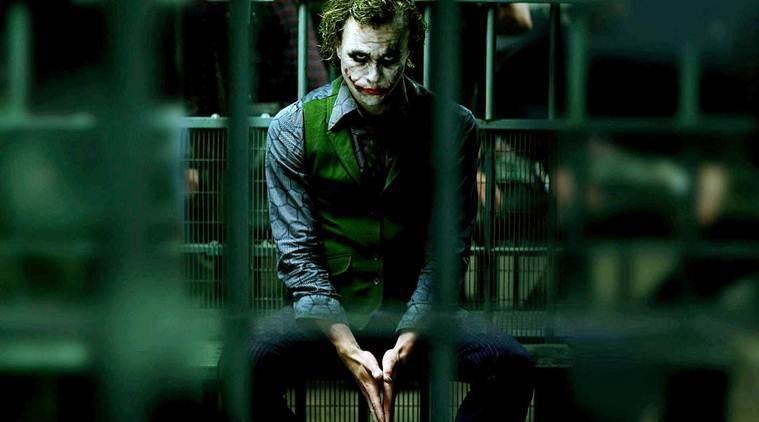
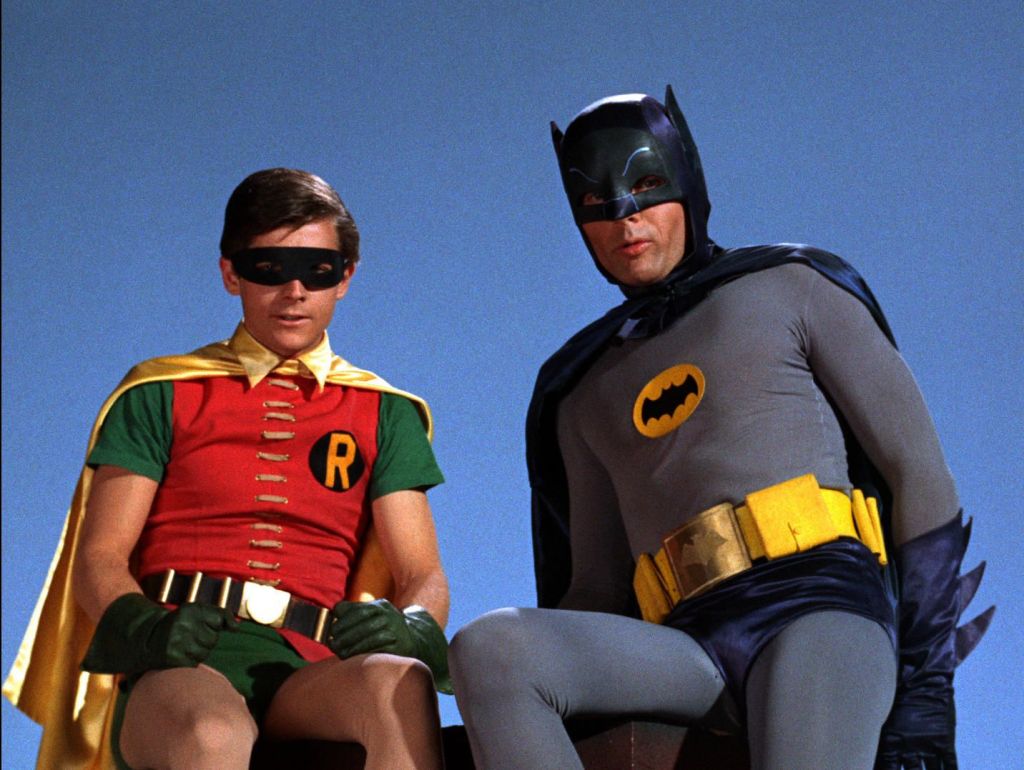
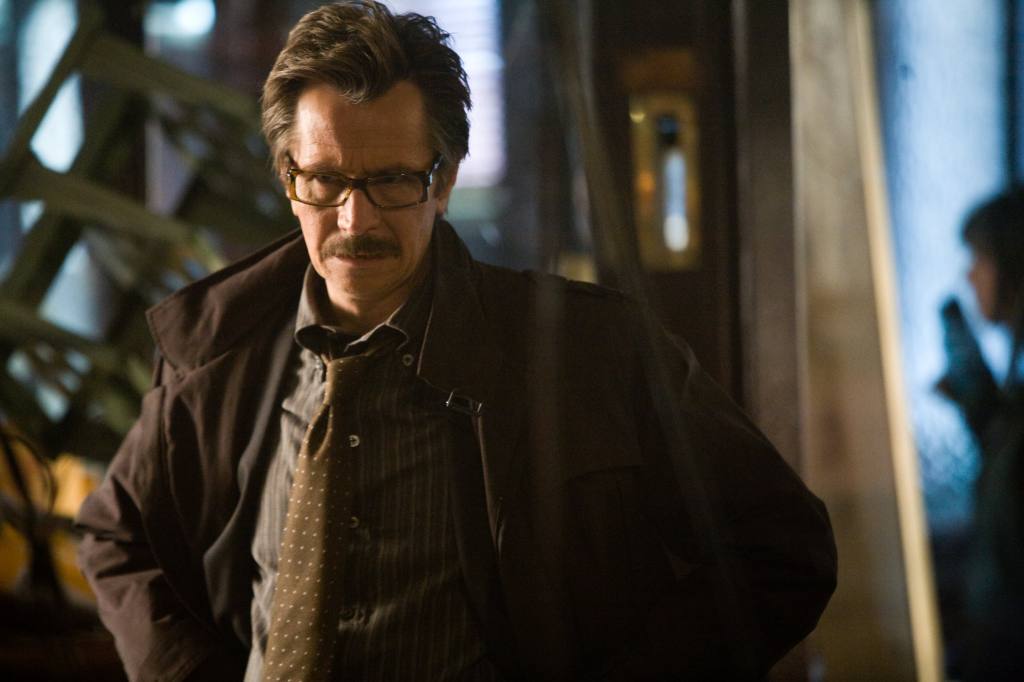
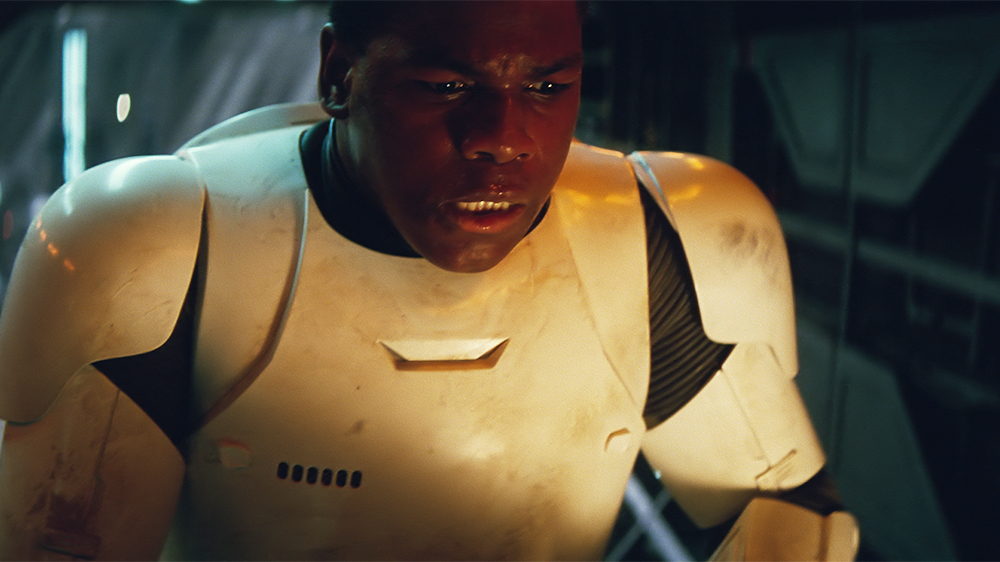
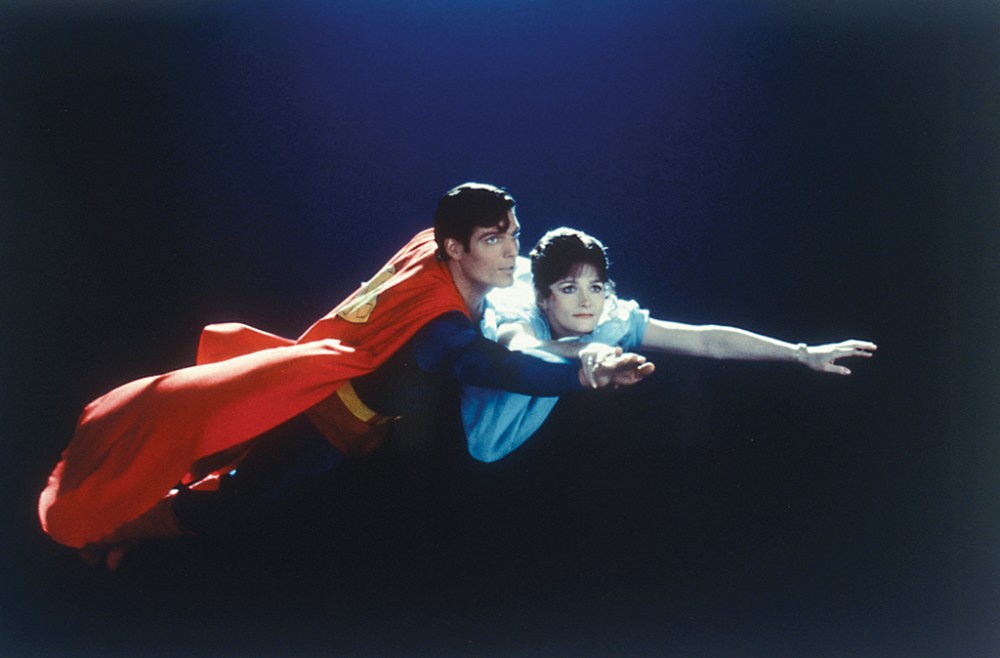
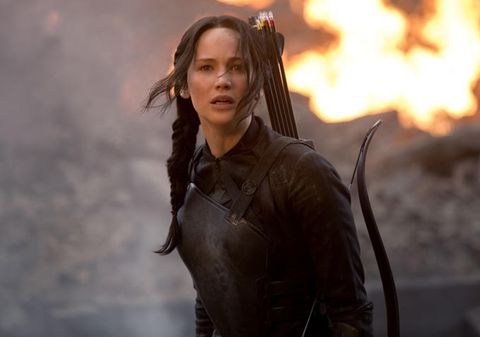
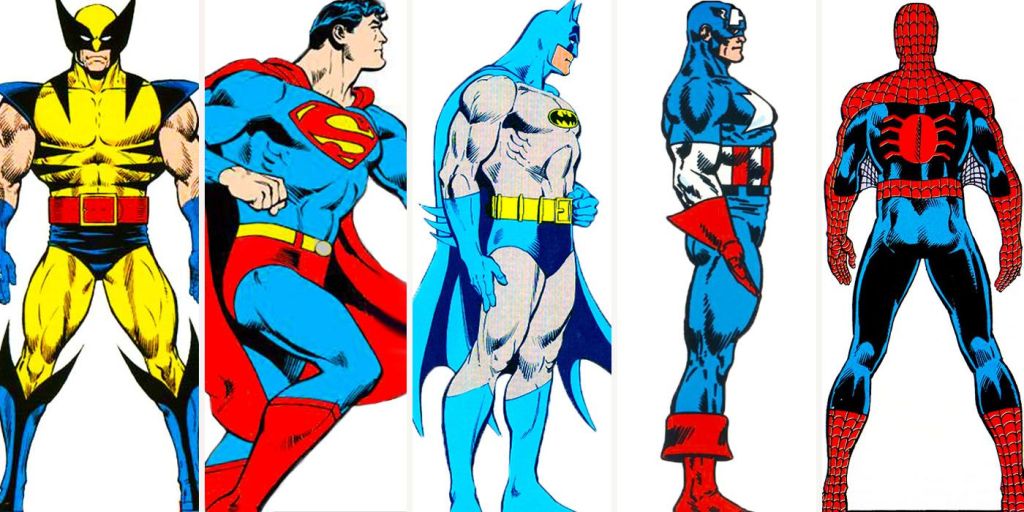
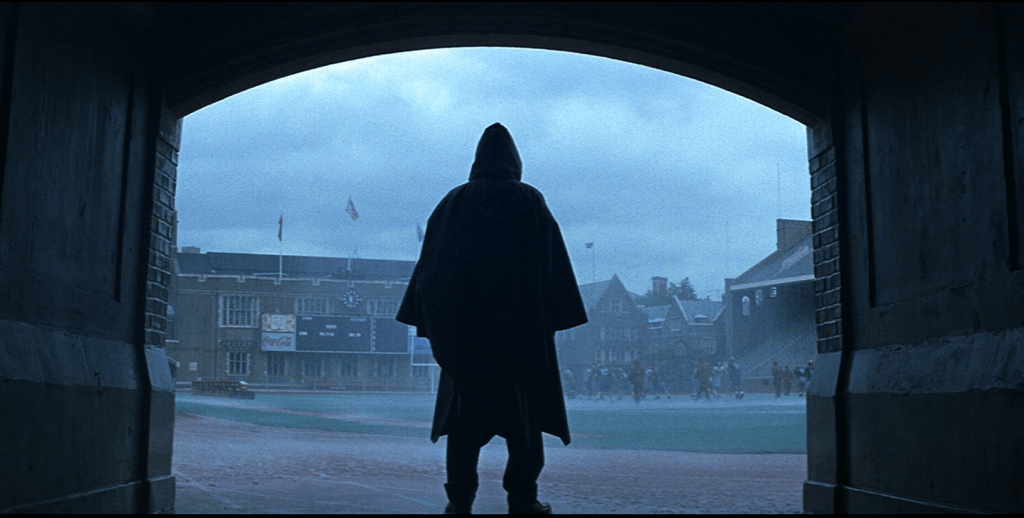


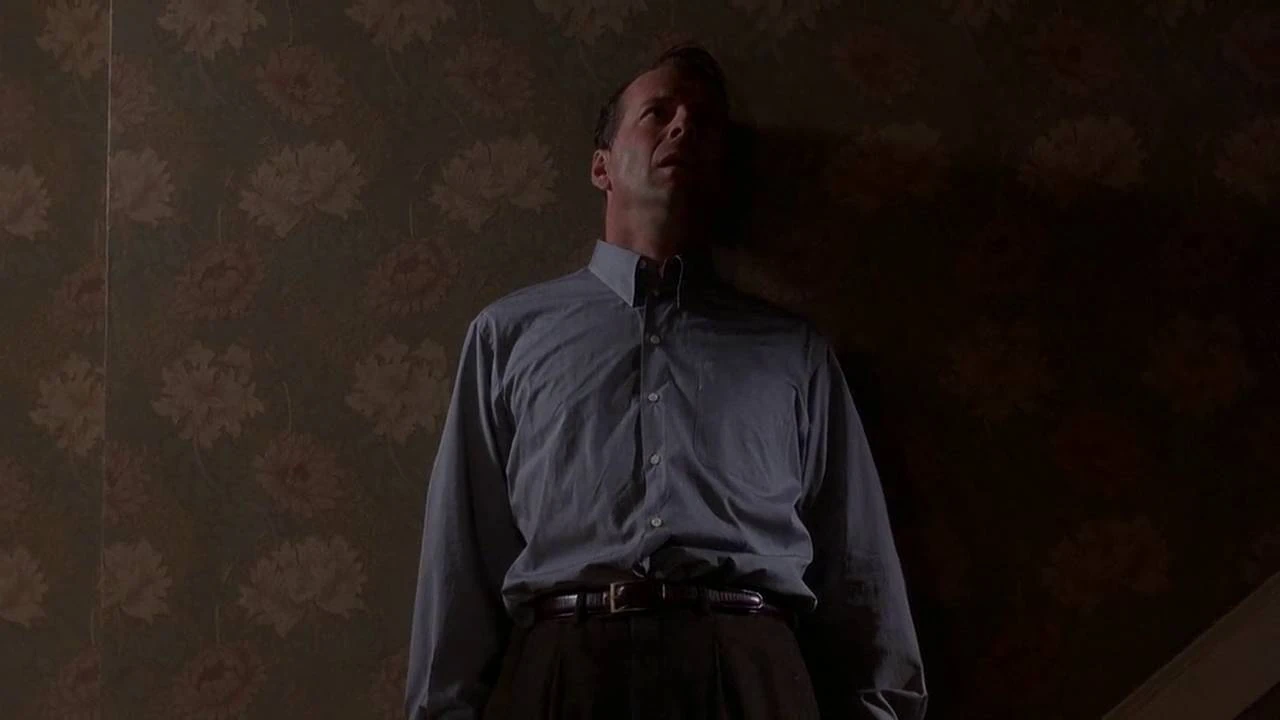


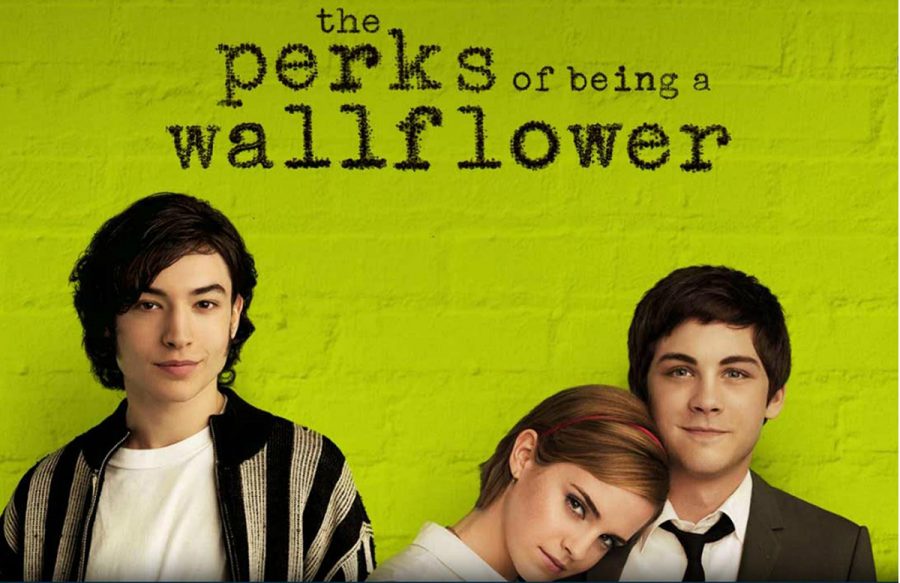
 Taran Field Yr1 FMP